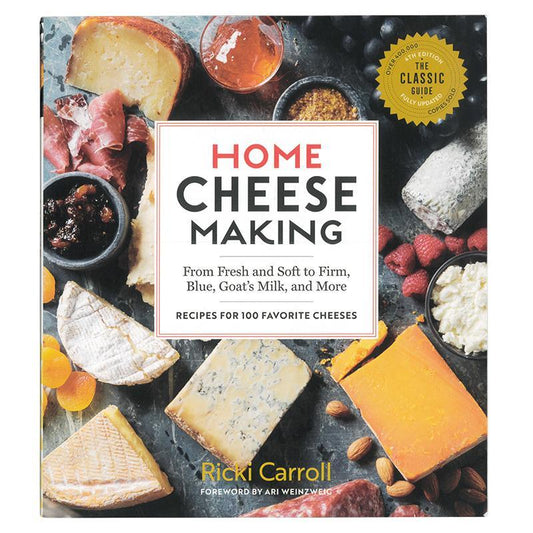
When the weather is chilly and your garden is resting, it’s a great time to try your hand at cheese making! Learn how to make your own fresh mozzarella cheese at home with this simple step-by-step guide.
What You’ll Need
Ingredients:
- 1 gallon of whole, non-ultra pasteurized milk
- 1 1/2 teaspoons citric acid
- 1/4 tablet vegetable-based rennet
- 1 teaspoon cheese salt
- 1 cup non-chlorinated water
Tools:
- Large non-aluminum pot
- Microwave-safe bowl
- Long knife
- Slotted spoon
- Colander
- Thermometer
- Measuring cups and spoons
Step 1: Prepare the Ingredients
Before heating the milk, dissolve 1 1/2 teaspoons of citric acid in 1 cup of non-chlorinated water. Separately, dissolve 1/4 tablet of vegetable rennet in 1/4 cup of non-chlorinated water. These steps ensure your cheese sets correctly.
Step 2: Heat the Milk
Pour the milk into your pot and stir in the citric acid solution. Heat the milk to 90°F, stirring constantly to prevent scorching. Once the temperature is reached, remove the pot from heat and gently stir in the rennet solution. Cover the pot and let it sit for 5 minutes to allow the curds to form.
Step 3: Cut the Curds
Check for a clean separation between the curds and whey. The curds should look like custard. Use a long knife to cut vertical and horizontal lines into the curds, then cut at an angle to create cubes.
Step 4: Heat and Drain
Place the pot back on low heat and gently stir the curds as they heat to 105°F. Remove the pot from heat and pour off the whey, reserving the curds in a microwave-safe bowl.
Step 5: Microwave and Stretch
Microwave the curds for 1 minute. Drain off any additional whey, add 1 teaspoon of cheese salt, and fold the curds together. Microwave for another 30 seconds, then stretch and fold the cheese. For optimal texture, the cheese should reach 135°F during this step. Continue stretching until it is shiny and smooth, like taffy.
Step 6: Shape and Cool
Shape the cheese into a log, ball, or any desired form. To set the shape, dip it in a 50°F water bath for 5 minutes, then transfer it to an ice bath for 15 minutes.
Enjoy Your Homemade Mozzarella
Your mozzarella cheese is now ready to enjoy! Use it in your favorite recipes, or savor it fresh with a drizzle of olive oil and herbs.
Making cheese at home is rewarding and fun. Try this mozzarella recipe and discover the joys of homemade cheese. Grow organic for life!