
Collection: Plant-Specific Fertilizers
Compare products by nutrient analysis, formulation, application method and label directions.

-


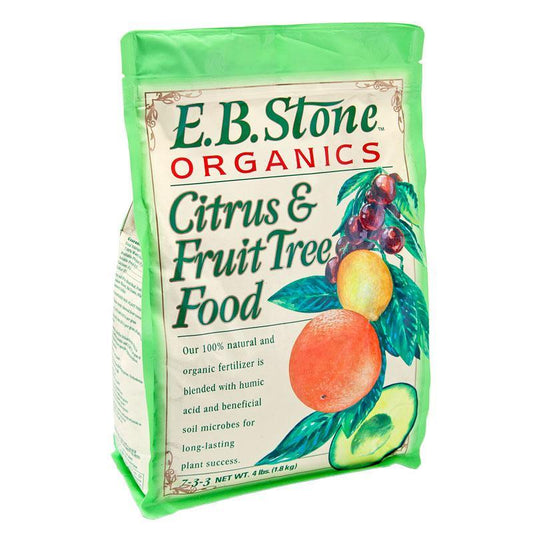
Citrus & Fruit Tree Food 7-3-3 (4 lb bag)
Regular price $11.99Sale $11.99Unit price per -

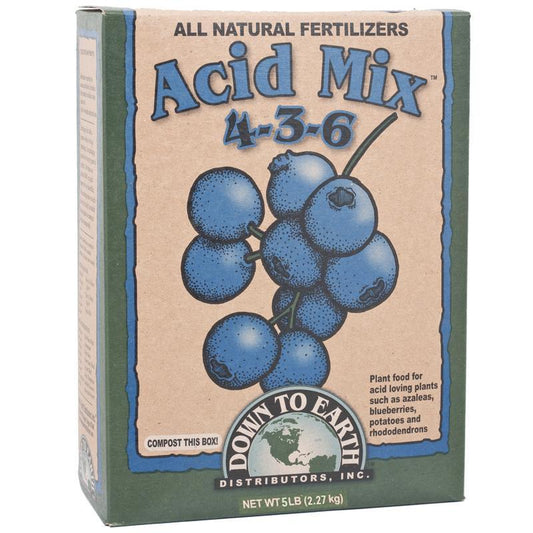
Acid Mix 4-3-6 (5 lb Box)
Regular price $15.99Sale $15.99Unit price per -


Acid Mix (25 lb Bag)
Regular price $48.99Sale $48.99Unit price per -


Citrus Mix Fertilizer 6-3-3 (5 lb)
Regular price $17.99Sale $17.99Unit price per -

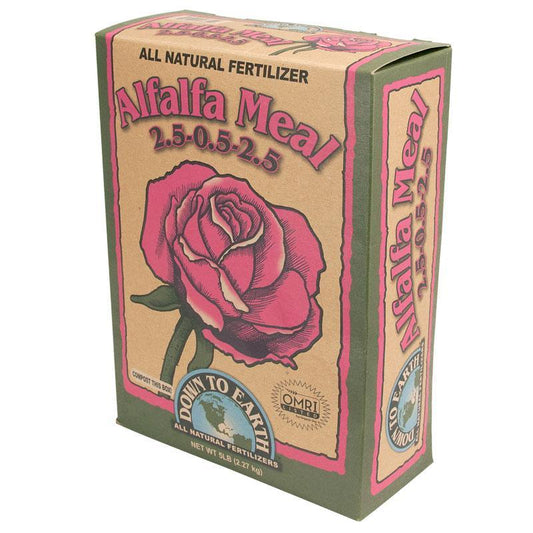
Alfalfa Meal (4 lb Box)
Regular price $13.99Sale $13.99Unit price per -


Soil Sulfur (5 lb)
Regular price $12.99Sale $12.99Unit price per -


Acid Mix 4-3-6 (1 lb Box)
Regular price $4.99Sale $4.99Unit price per -

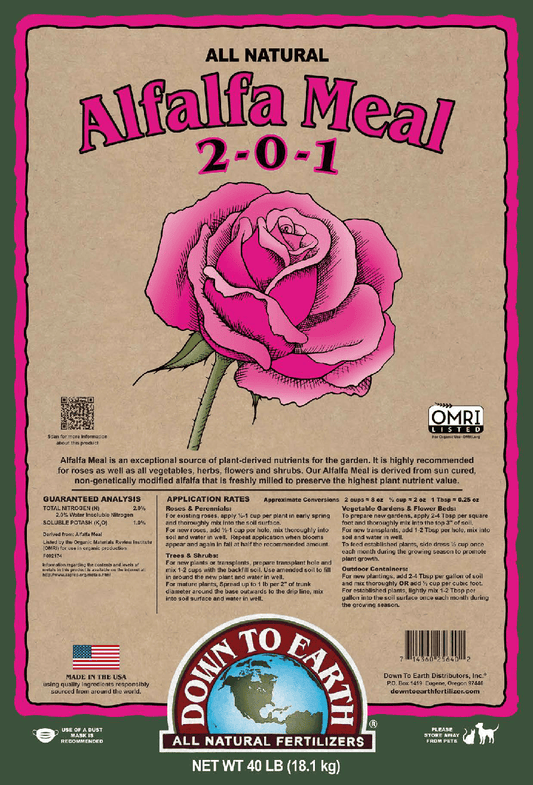
Alfalfa Meal (40 lb Bag)
Regular price $55.99Sale $55.99Unit price per -

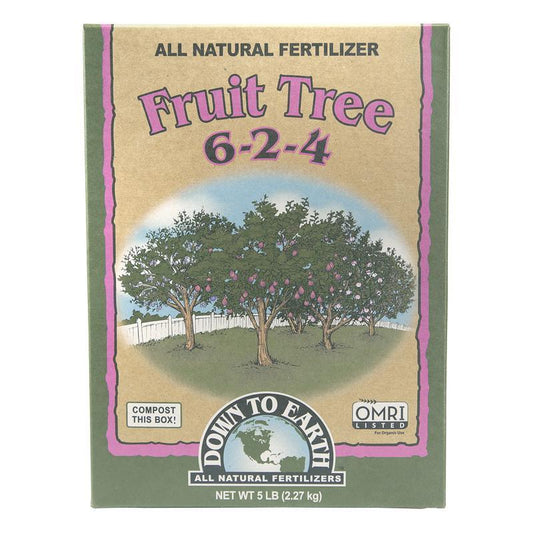
Fruit Tree Fertilizer 6-2-4 (5 lb box)
Regular price $17.99Sale $17.99Unit price per -

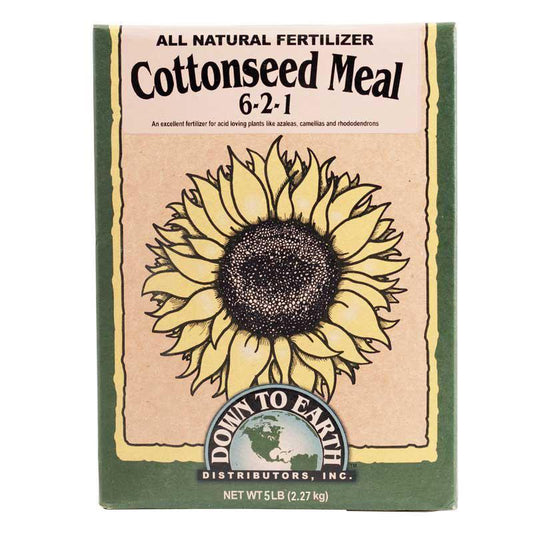
Cottonseed Meal (5 lb Box)
Regular price $15.99Sale $15.99Unit price per -

Citrus and Avocado Fertilizer (50 lb)
Regular price $57.99Sale $57.99Unit price per -

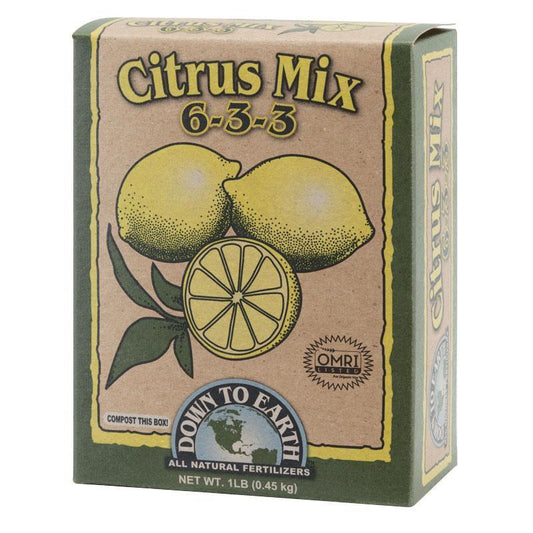
Citrus Mix Fertilizer 6-3-3 (1 lb box)
Regular price $5.99Sale $5.99Unit price per -

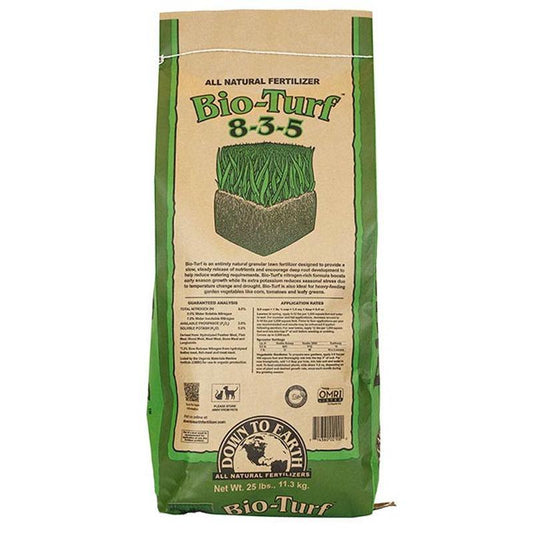
Bio-Turf 8-3-5 Fertilizer (25 lb Bag)
Regular price $64.99Sale $64.99Unit price per -


Citrus Mix Fertilizer 6-3-3 (25 lb Bag)
Regular price $56.99Sale $56.99Unit price per -


Cottonseed Meal (50 lb)
Regular price $79.99Sale $79.99Unit price per -


Espoma Organic Berry-Tone (4 lb)
Regular price $10.99Sale $10.99Unit price per -


Fruit Berry & Vine Food 7-3-3
Regular price $12.99Sale $12.99Unit price per -
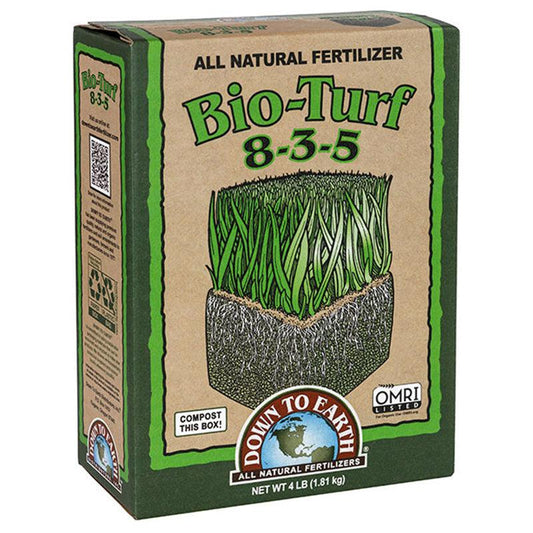

Bio-Turf 8-3-5 Fertilizer (4 lb Box)
Regular price $17.99Sale $17.99Unit price per -

Hill & Valley Fertilizer Mix Plus N 2.0-4.0-4.0 (40 lb)
Regular price $51.99Sale $51.99Unit price per -
Activate 80 Micronized Humate (30 lb)
Regular price $104.99Sale $104.99Unit price per -


Organic Pelletized Lime (50lbs)
Regular price $20.99Sale $20.99Unit price per -


Espoma Organic Tree-Tone (4 lb)
Regular price $11.99Sale $11.99Unit price per -


Cottonseed Meal 6-2-1 (15 lb bag)
Regular price $26.99Sale $26.99Unit price per -


Espoma Organic Holly-Tone (4 lb)
Regular price $12.99Sale $12.99Unit price per -


Espoma Organic Citrus-Tone Citrus & Avocado (4 lb)
Regular price $12.99Sale $12.99Unit price per -


Espoma Organic Tomato-Tone 3-4-6 (8 lb)
Regular price $24.99Sale $24.99Unit price per -


Espoma Bonsai Mix (4 qt)
Regular price $18.99Sale $18.99Unit price per -
-
New


True Organic - Azalea, Camellia, & Rhododendron Food 12lbs
Regular price $26.99Sale $26.99Unit price per -
New


True Organic - Herb & Leafy Greens Food 4lbs
Regular price $13.99Sale $13.99Unit price per -
New


Espoma Organic Evergreen-tone 4-3-4 8lbs
Regular price $16.99Sale $16.99Unit price per -

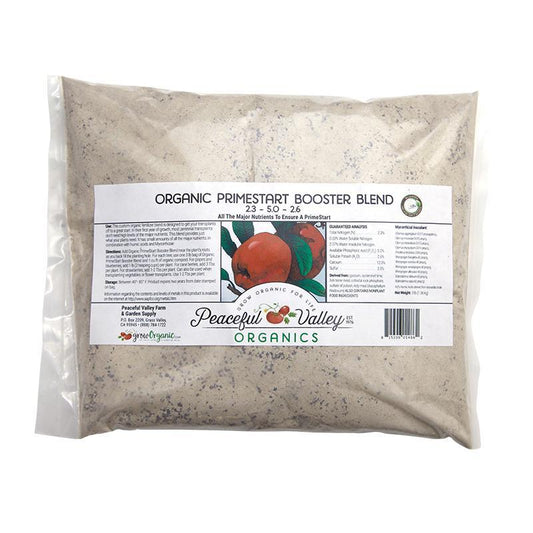 Sold out
Peaceful Valley Organic PrimeStart Booster Blend 2.3-5.0-2.6 (3 lb Bag)
Regular price $8.99Sale $8.99Unit price per































Plant Specific Fertilizers by Crop and Growing Site
Choose plant specific fertilizers by the crop you grow and where it is planted. This collection includes fertilizers for citrus, fruit trees, and acid-loving plants. It also includes single ingredients and soil amendments. Compare the crop on the label, the nutrient analysis, and the package size before choosing fertilizer by plant type.
Compare citrus and fruit tree formulas
Citrus and Fruit Tree Food 7-3-3 comes in a 4-pound bag. Citrus Mix Fertilizer 6-3-3 is listed in a 5-pound size, and Fruit Tree Fertilizer 6-2-4 comes in a 5-pound box. The three numbers show the product’s nutrient analysis. Read them alongside the label directions for the crop you grow. Check whether the directions cover trees in the ground, containers, or both. When comparing packages, check how much the label calls for in your planting. A larger bag may make sense for several trees if you can use it within the label and storage directions.
Check whether your plants prefer acidic soil
Acid Mix 4-3-6 comes in a 1-pound box, a 5-pound box, and a 25-pound bag. Check the label for the plants it lists and read the application directions for your site. Soil testing can help you tell whether soil pH or nutrient levels need attention. Check both before adding a product that can affect pH. Soil sulfur has its own use and directions. Compare its label with the task you are trying to do before deciding what to buy.
Decide between a blend and a single ingredient
Choose a crop-specific blend if its label and analysis match the crop and the soil information you have. If you want to compare an individual ingredient, look at alfalfa meal or cottonseed meal and read the product label for the intended use. List any other fertilizer or amendments you plan to use so you can see where they contain the same nutrients. Recheck the label if you plan to use more than one product in the same bed.
Use the label to estimate how much to order
Write down how many trees, pots, or feet of bed you need to treat. Use the label’s unit of measure when you estimate the amount. The directions for an established tree may differ from those for a young tree or a container. Once you have an estimate, compare it with the package sizes in the listing. Keep the directions with the package and note the date you apply the product. This helps you check when to feed again and compare how the planting responds over the season.
Read the nutrient numbers in context
The label lists nitrogen, phosphorus and potassium in that order. Compare the guaranteed analysis alongside the directions for your crop. Nitrogen is a major nutrient for plants. A higher number still needs to fit the crop and the condition of the soil. Use your soil results and the plant’s needs first, then use the label rate to compare the cost of feeding the area. If a label uses the words plant food, still check the full nutrient analysis before buying.
Compare containers with trees in the ground
Check the instructions for the growing site before you choose a bag. For a container, note the pot size and read the directions that apply to it. For trees in the ground, check the label for the way it measures the area or tree. Keep a record of what you used and when so you have a reference for the next soil test. If plant growth is poor, look at watering, light and drainage as well as nutrients before you buy a second product.
Shop for the size you can use
If you are testing a formula on one planting, compare the smallest available package with the amount you need. Acid Mix is listed in 1-, 5-, and 25-pound packages, while alfalfa meal is listed in 4- and 40-pound packages. Size alone does not tell you how much area a bag will cover. Use the directions for the specific product. When comparing for repeat use, check where the label says to store the product and how much space you have.