
Collection: Soil Thermometers
Test the temperature of your soil with soil thermometers!

-
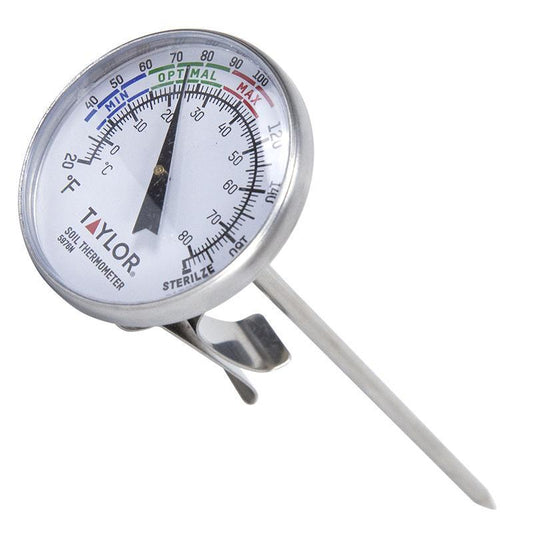
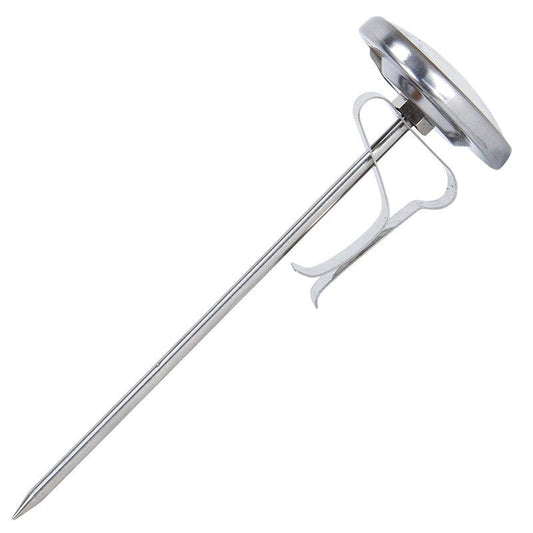
Soil Test Thermometer
Regular price $15.99Sale $15.99Unit price per -

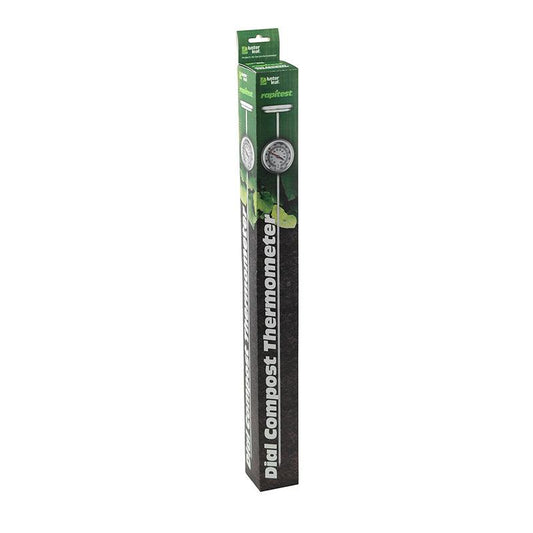
Rapitest Dial Compost Thermometer 19"
Regular price $27.99Sale $27.99Unit price per





Soil thermometers help gardeners measure below-surface temperatures when planning seed starting, transplanting, and other temperature-sensitive garden work. This collection also includes compost thermometer options for monitoring a compost pile at greater depth.
Choosing and using a soil thermometer
- Probe length: Match the probe to the material and depth you need to measure. A garden-soil reading and a compost-pile reading may require different tools.
- Dial and scale: Confirm the temperature range and units shown on the individual product page.
- Placement: Insert the probe carefully, wait for the reading to stabilize according to the product instructions, and sample more than one spot when conditions vary.
Soil temperature changes with depth, time of day, moisture, sun exposure, and cover. Use crop-specific planting guidance for the seed or transplant you are growing rather than relying on one universal threshold. Clean the probe between uses and avoid forcing it through hard soil, stones, or roots.
Compare a short soil probe with a compost probe
The Soil Test Thermometer has a 5-inch probe, a dial reading from 20–180°F and a clip for securing it to a pot. Compare its reach with the depth you need to measure before choosing a tool.
A longer compost probe serves a different job: reaching into a pile rather than taking a shallow seed-bed reading. Check the exact listing for probe length, dial or digital display, scale and intended use. Soil temperature is one planting factor; it does not replace crop-specific guidance, a frost forecast or a soil nutrient test.