
Collection: Fungicides for Plants & Organic Disease Control
Fight plant diseases–organically

-

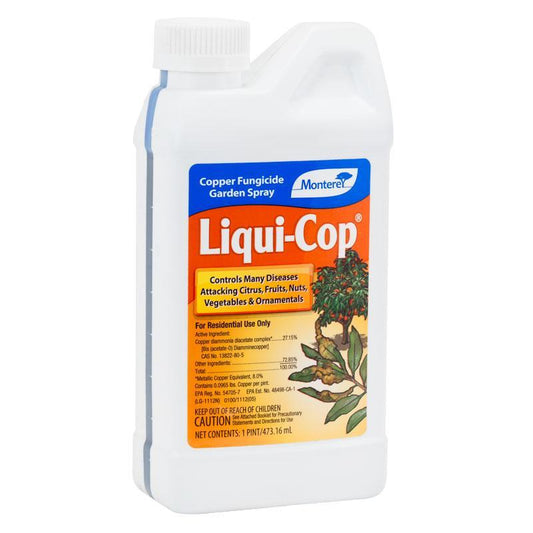
Liqui-Cop Concentrate (Pint)
Regular price $16.99Sale $16.99Unit price per -


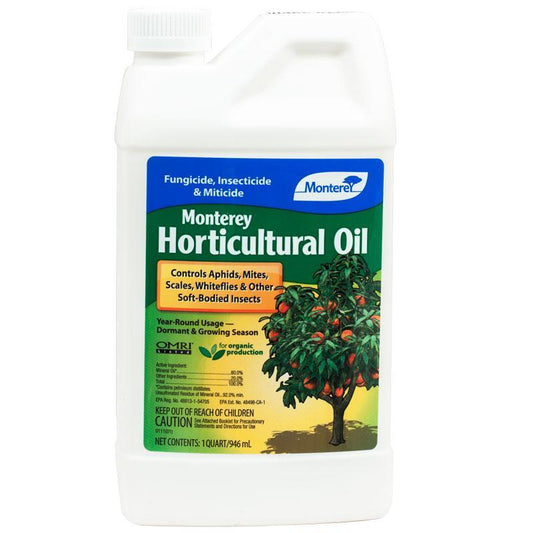
Organic Monterey Horticultural Oil (Qt)
Regular price $14.99Sale $14.99Unit price per -

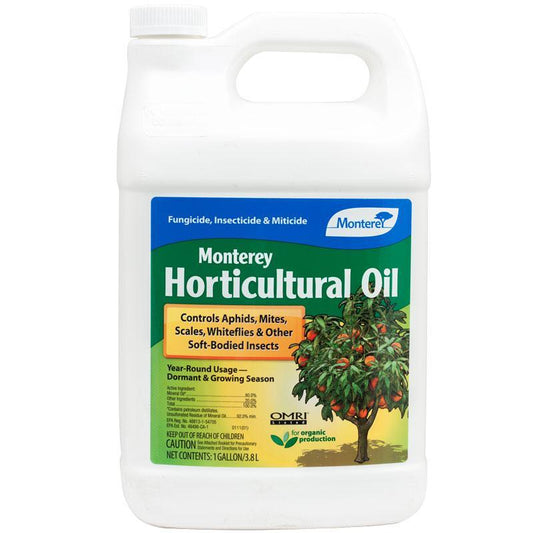
Organic Monterey Horticultural Oil (Gal)
Regular price $41.99Sale $41.99Unit price per -

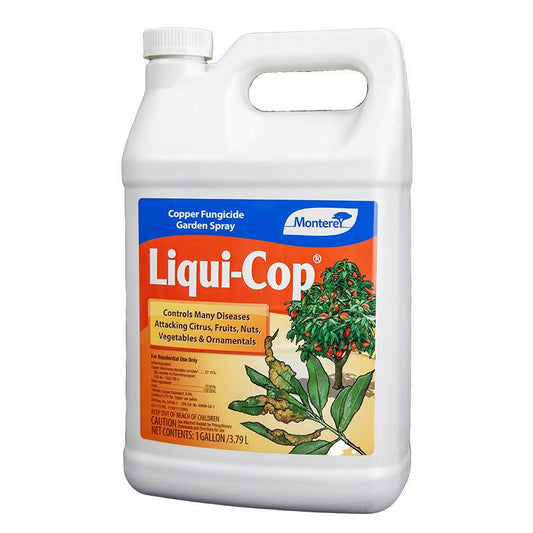
Liqui-Cop Concentrate (Gallon)
Regular price $59.99Sale $59.99Unit price per -

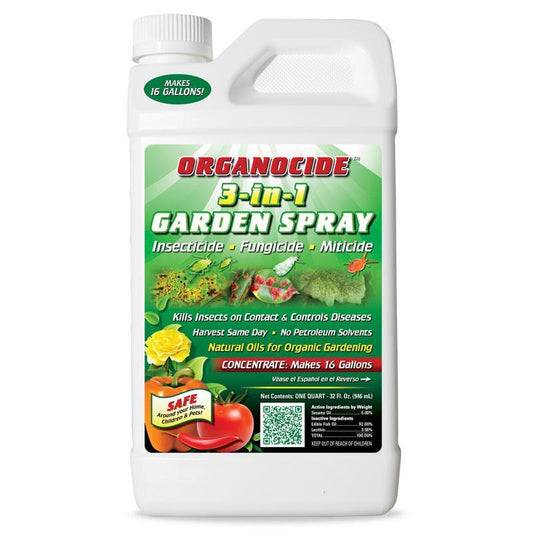
Organocide Concentrate (Quart)
Regular price $33.99Sale $33.99Unit price per -

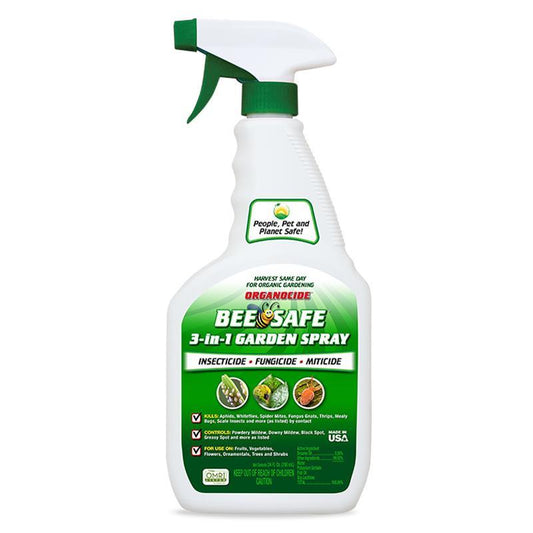
Organocide Ready To Use (24 Oz)
Regular price $18.99Sale $18.99Unit price per -
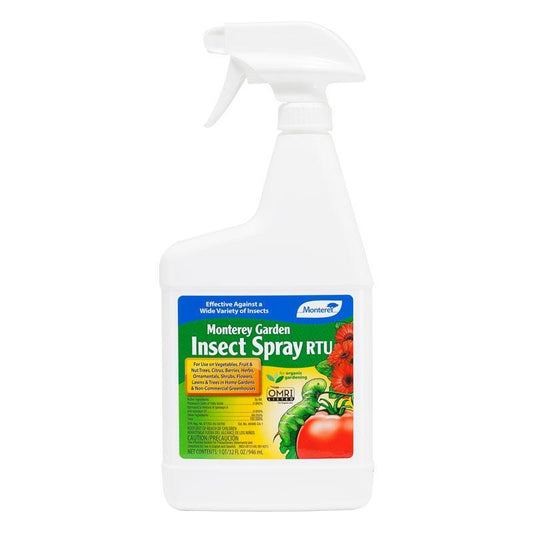
Monterey Garden Insect Spray Ready To Use (Qt)
Regular price $12.99Sale $12.99Unit price per -
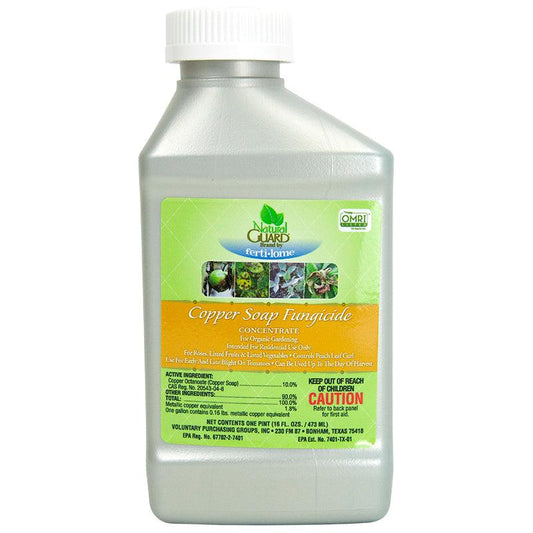
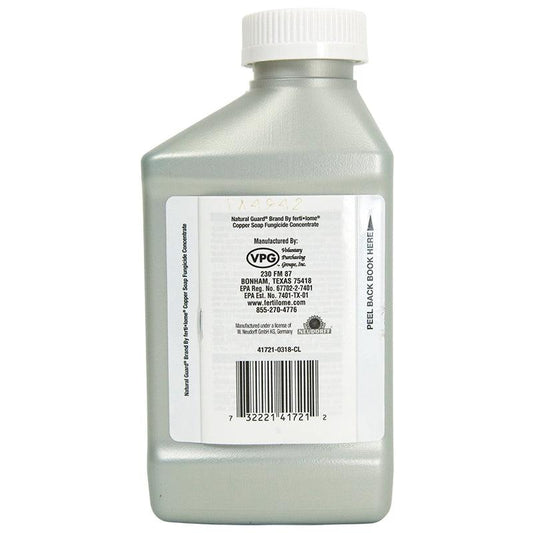
Fertilome Copper Soap Liquid Fungicide Concentrate (Pint)
Regular price $19.99Sale $19.99Unit price per -
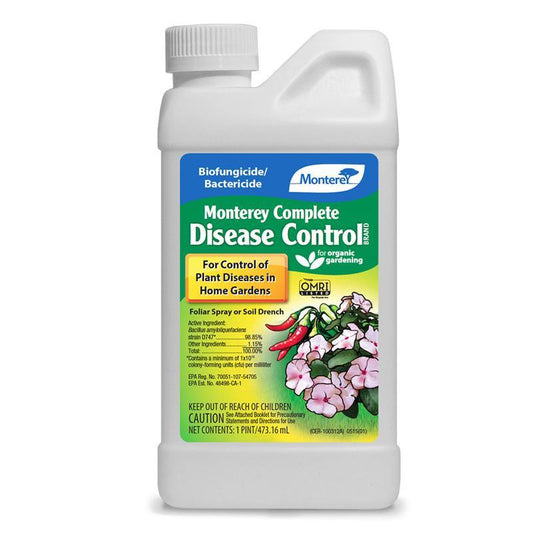
Monterey Complete Disease Control (Pint)
Regular price $20.99Sale $20.99Unit price per -
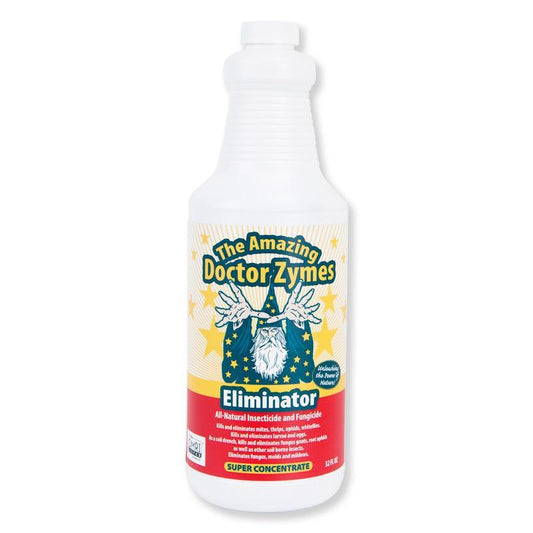
Doctor Zymes Insecticide/Fungicide Concentrate (Quart)
Regular price $37.99Sale $37.99Unit price per -
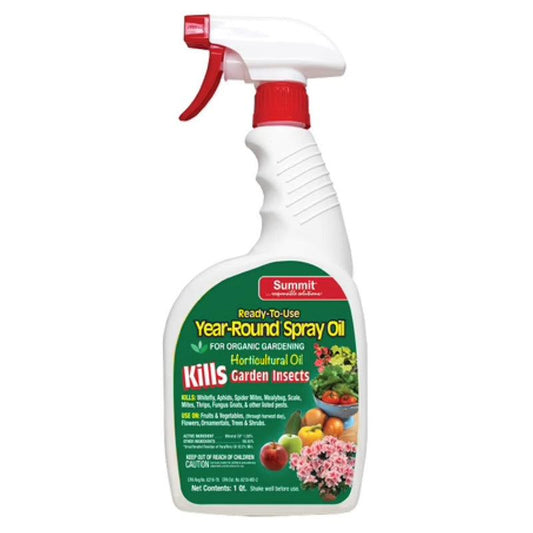
Organic Summit Year Round Horticultural Spray Oil RTU (Qt)
Regular price $12.99Sale $12.99Unit price per -
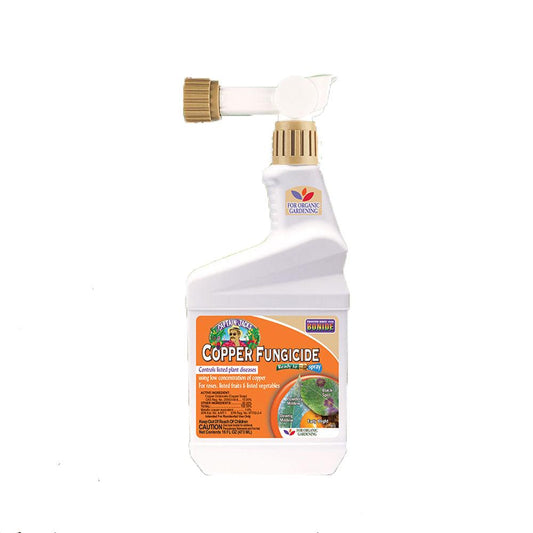
Bonide Copper Fungicide RTS (16oz)
Regular price $31.99Sale $31.99Unit price per -
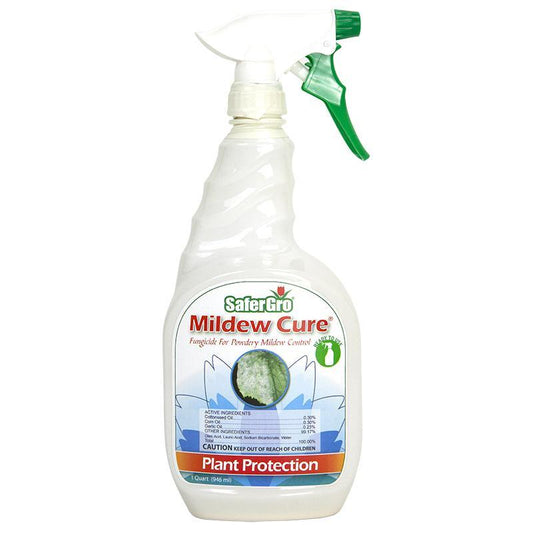
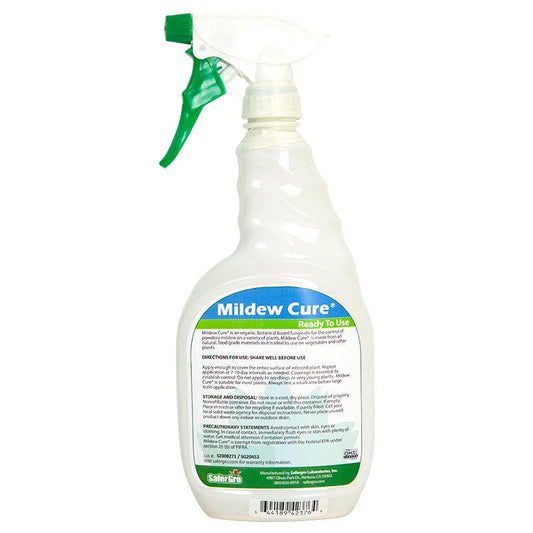
Mildew Cure Ready-to-Use (32 oz)
Regular price $19.99Sale $19.99Unit price per -
New

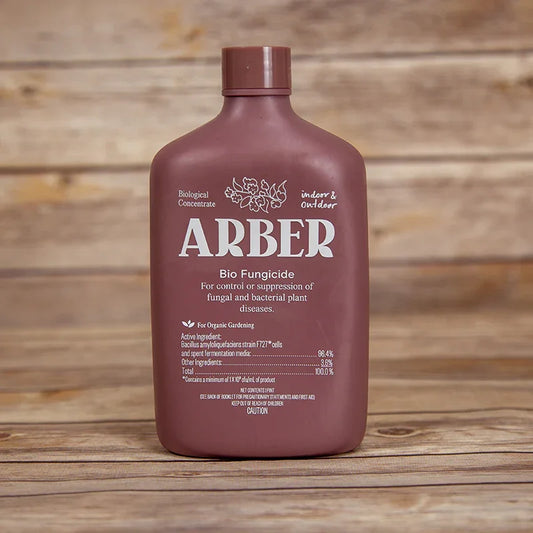
Arber Bio Fungicide Concentrate
Regular price $15.99Sale $15.99Unit price per -
New

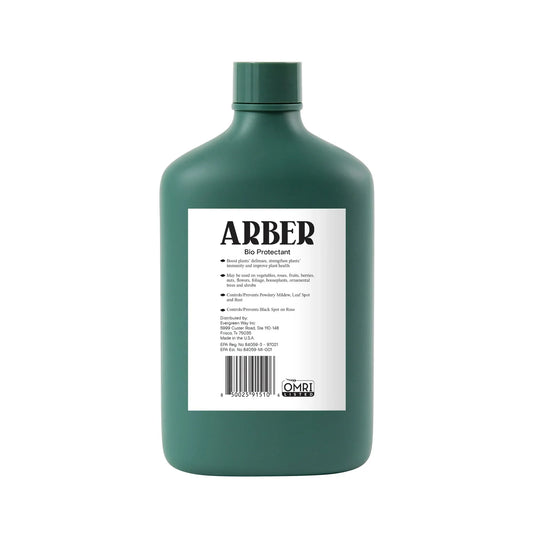
Arber Bio Protectant
Regular price $24.99Sale $24.99Unit price per -
 Sold out
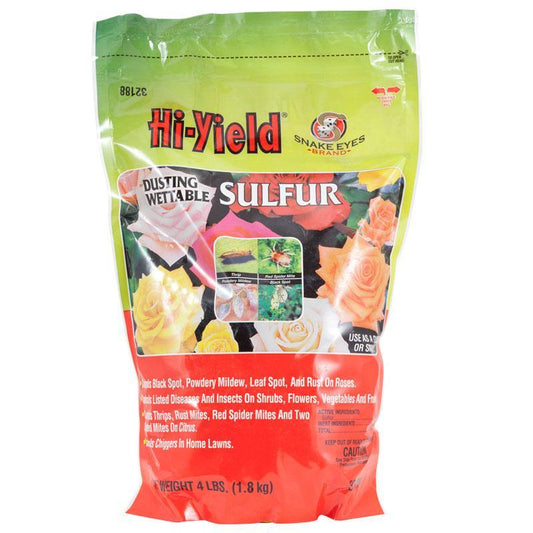
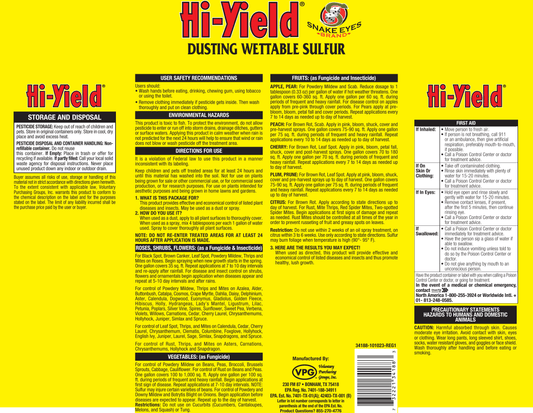
Hi-Yield Wettable Sulfur (3.25 lb)
Regular price $14.99Sale $14.99Unit price per -

 Sold out
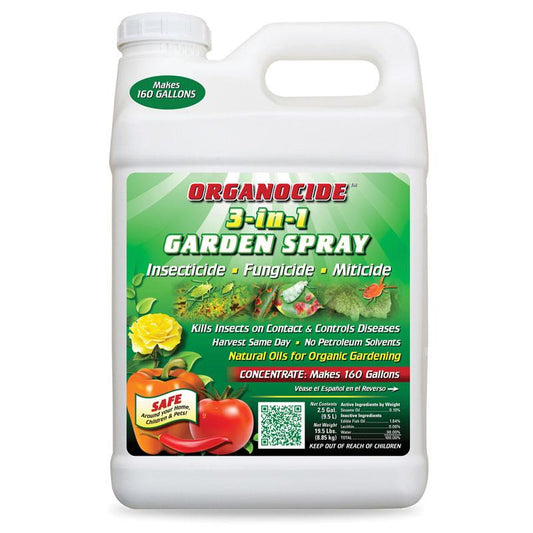
Organocide Concentrate (2.5 Gallon)
Regular price $226.99Sale $226.99Unit price per$0.00Regular priceSold out -
 Sold out
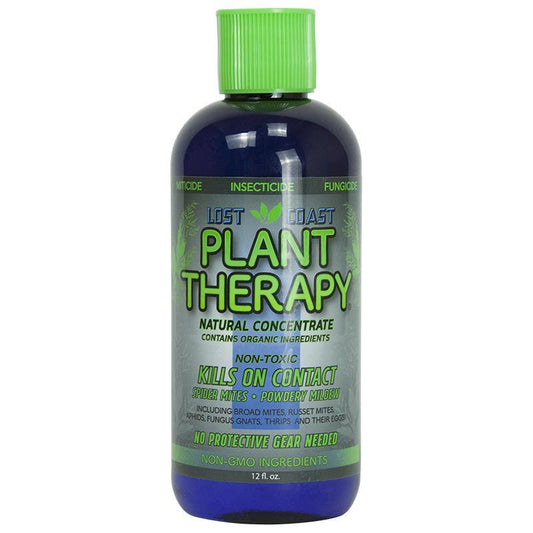
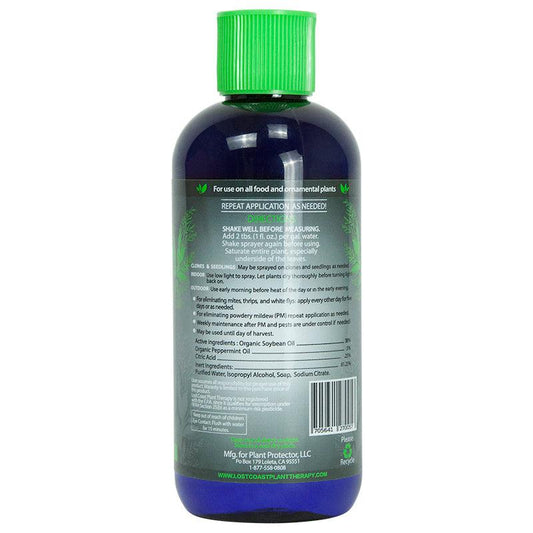
Lost Coast Plant Therapy (12 oz)
Regular price $41.99Sale $41.99Unit price per -
 Sold out
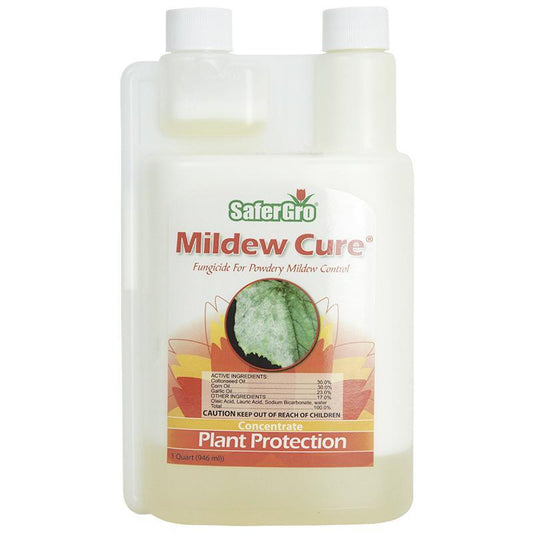
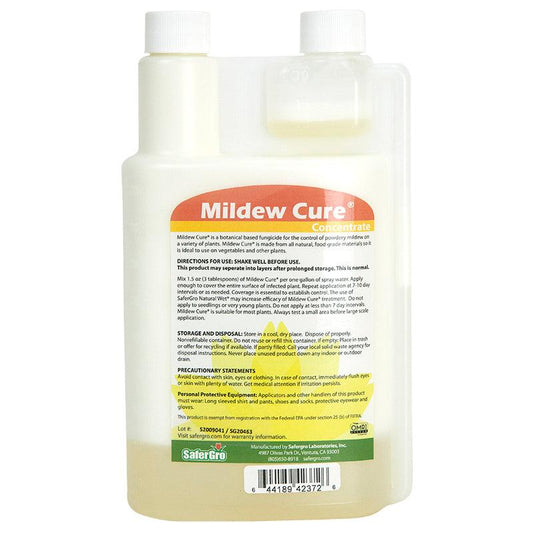
Mildew Cure Concentrate (Quart)
Regular price $24.99Sale $24.99Unit price per


































Fungicides for plants work best as part of a broader disease-management plan. Identify the problem first, improve growing conditions where possible, and choose only a product whose label lists the plant and disease you need to treat.
Plant fungicide types in this collection
- Copper- and sulfur-based fungicides
- Biological and botanical disease-control products
- Horticultural and neem oil formulations
- Concentrates and ready-to-use options
Always read and follow the product label for approved crops, diseases, rates, timing, protective equipment, and harvest restrictions. Watering at the soil line, increasing plant spacing and air circulation, removing heavily affected material, and cleaning tools can complement a label-directed treatment.
Choose a disease-control pathway
Use our guide to plant disease diagnosis and organic management before selecting a treatment. You can also compare biological fungicides, botanical fungicides, mineral fungicides, oil-based fungicides, and focused powdery mildew treatments.
Diagnosing Non-Disease Problems
Before choosing a treatment, review our guide to abiotic and environmental plant disorders.