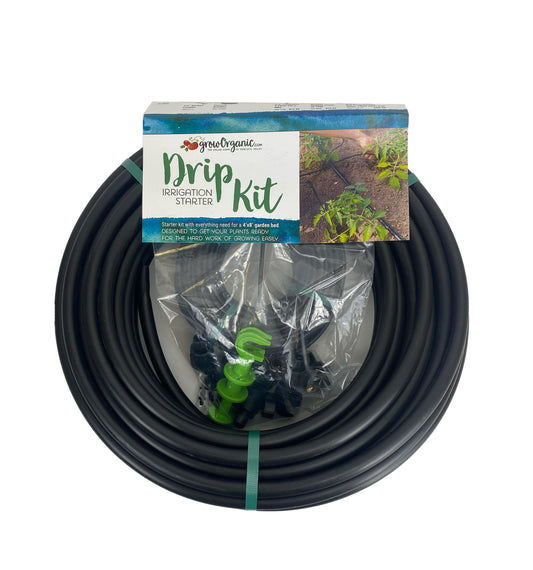
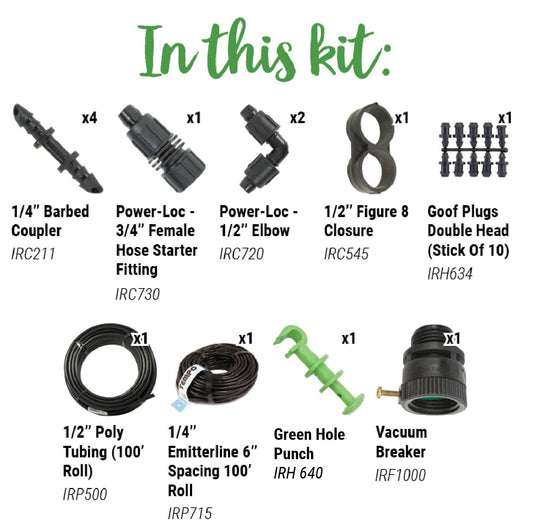
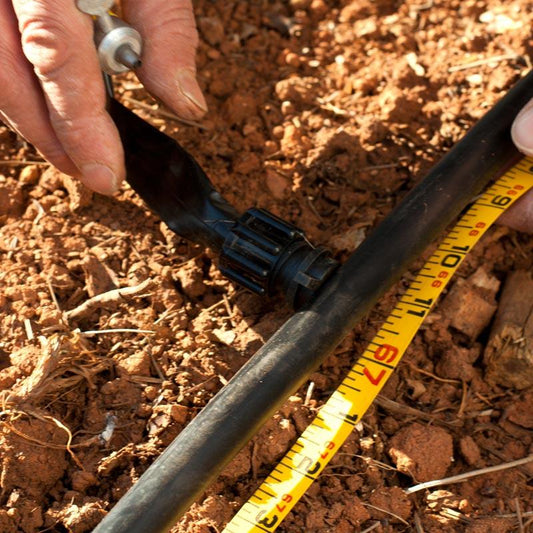
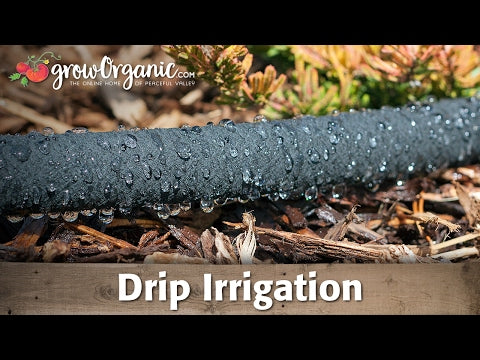
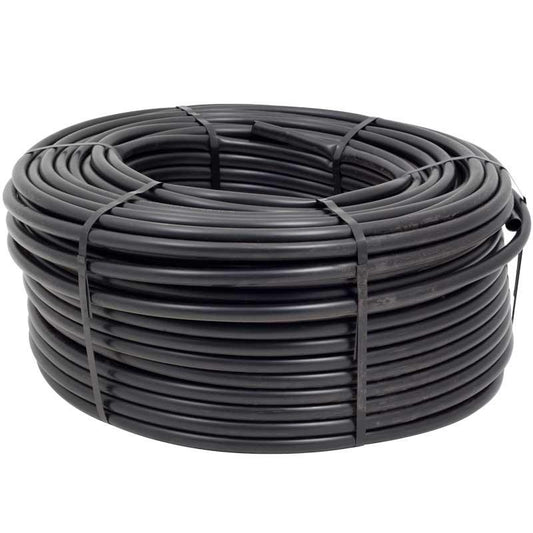
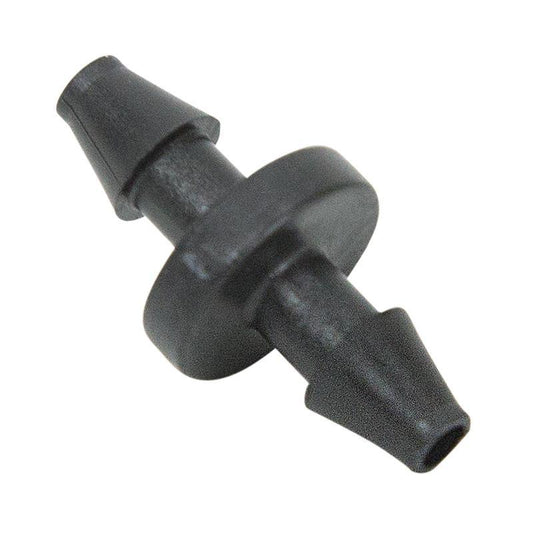
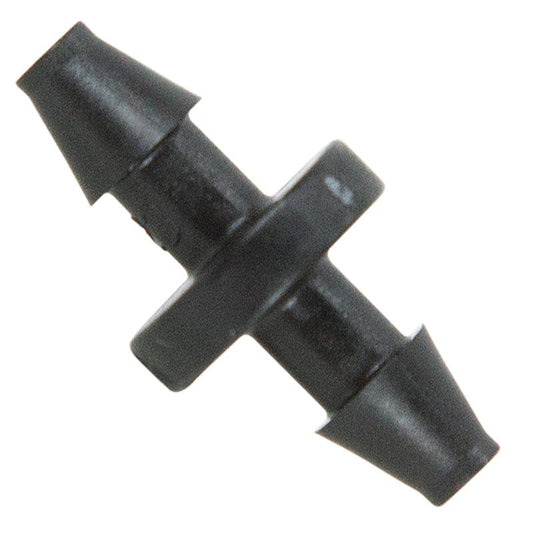
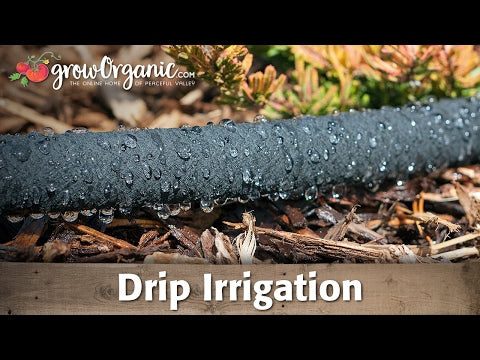
Drip irrigation is good for you and good for your plants. You can leave town for a few days, instead of staying home to hand water. Your plants can get a steady supply of water, in regular amounts, that will help them thrive.
Do you need to add drip irrigation to all or part of your garden? We have an intro video about that, where Tricia shows how to set up a system. For the basics about the different kinds of drip irrigation, read our article that walks you through the options.
Shop Drip Irrigation Supplies

Drip Irrigation Maintenance Checklist
- Flush your system.
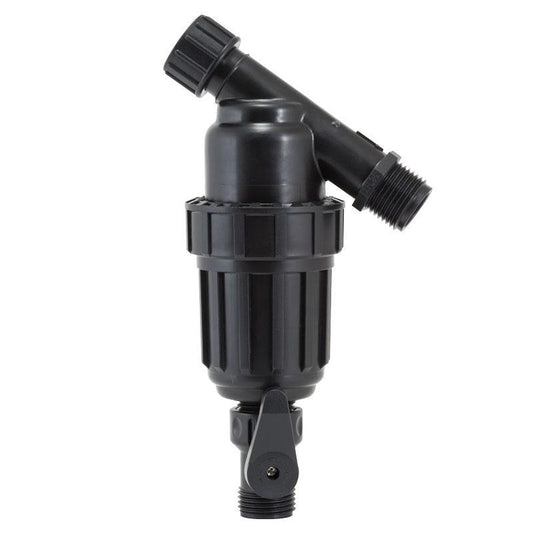
- Flush your filter and clean out your screen (unless you have a self-cleaning filter).
- Turn on your system one part at a time and check to make sure the water is flowing.
- Check for clogged or damaged emitters, kinked tubing, or missing fittings.
- Remove and clean serviceable emitters according to the manufacturer’s instructions; replace damaged or nonserviceable emitters.
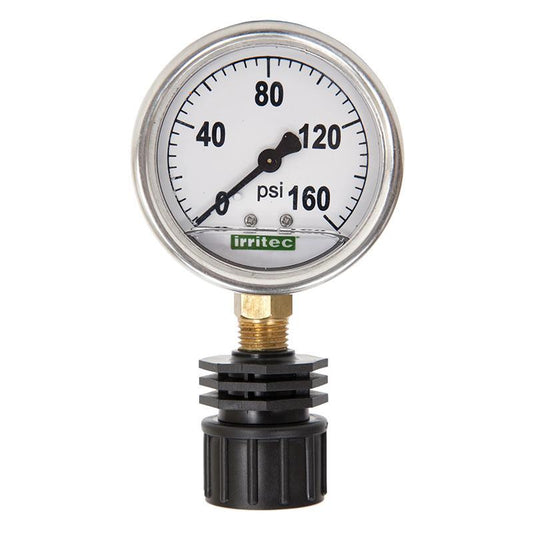
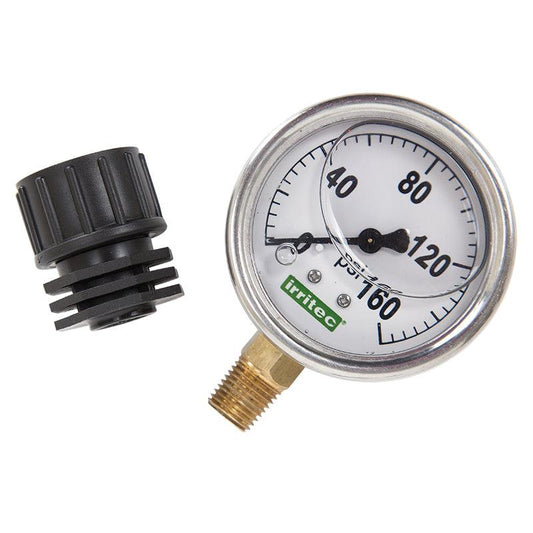
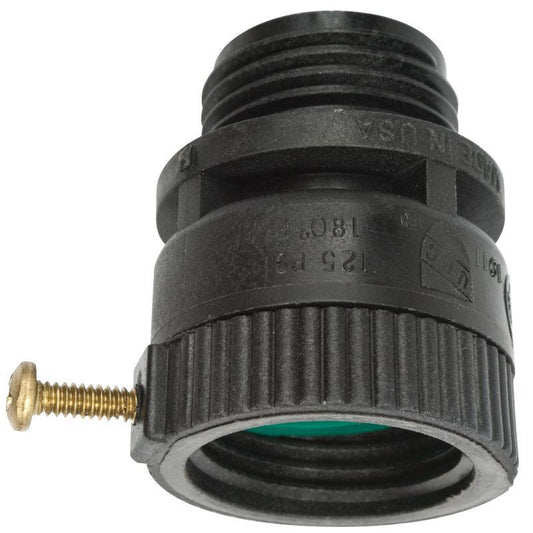
- Use a pressure gauge to check your pressure regulator.
- Replace any damaged emitters.
- Use only cleaning products and concentrations approved by the tubing, emitter, and filter manufacturers, then flush the system as directed.
Adjusting Your Drip System for Plant Growth
- Add emitters to the dripline of trees that have grown in the last year.
- Reduce or remove emitters for drought-tolerant plants that have become established.
- Monitor soil moisture levels to ensure optimal watering.
Final Thoughts
Regular maintenance will keep your drip irrigation system running efficiently and your plants thriving. By following this simple checklist, you can ensure your garden stays hydrated all season long.
Seasonal Drip-Irrigation Maintenance
At Startup
- Inspect the backflow device, filter, pressure regulator, timer, mainline, fittings, and zone valves before opening the system fully.
- Flush mainlines and laterals with end closures open, then clean or replace filter elements according to their instructions.
- Run one zone at a time and compare outlet performance from the beginning to the end of each line.
During the Growing Season
- Check for wet spots, dry plants, disconnected fittings, crushed tubing, clogged outlets, and changed plant root zones.
- Verify source pressure and flow before changing emitters or adding a new zone. Use the pressure and flow troubleshooting guide.
- Prevent recurring clogs by servicing the filter and flushing the system.
- For porous hose problems, follow the soaker-hose repair guide.
Before shutting down for the season, learn how to check drip-emitter flow before winter while the system is still running.
Before Freezing Weather or Storage
Shut off the water, relieve pressure, and drain components that can hold water. Remove batteries from portable timers if the manufacturer recommends it, and store timers, regulators, filters, gauges, and other freeze-sensitive parts according to their instructions. Do not use compressed air unless every component is rated for the procedure and the manufacturer provides a safe method.
After service, review the timer program and confirm the soil is being wetted to the intended root depth.