
Item Number: FT231
Hachiya Persimmon Tree
Rich flavor, perfect for baking.



Check Your Zone Compatibility:

Our Guarantee To You
Since 1976, we've served our customers at every stage of growing. Please contact us at any time. We are happy to support and assist you.
Description
Description
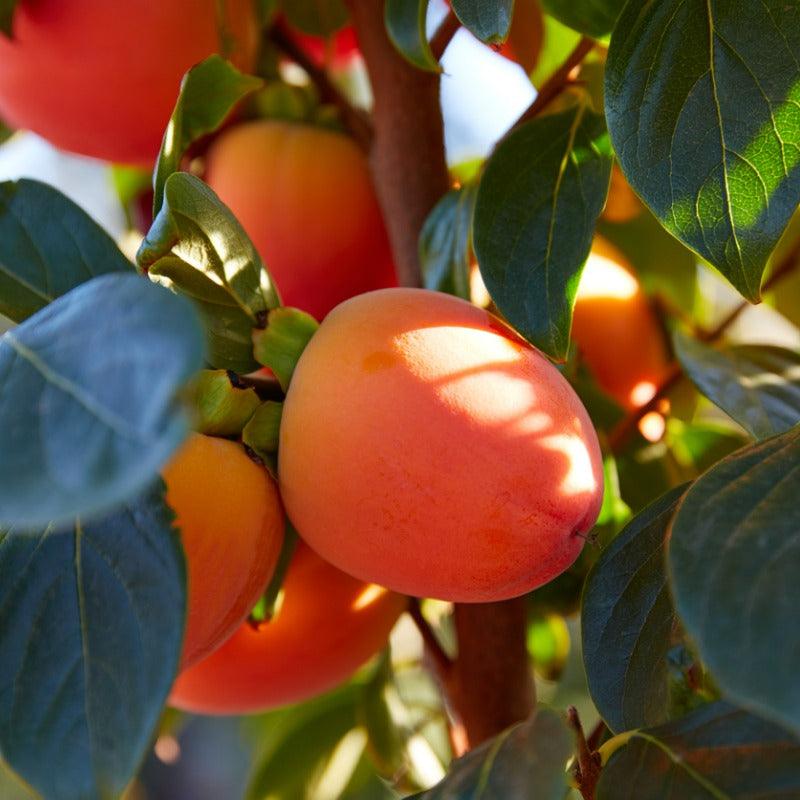
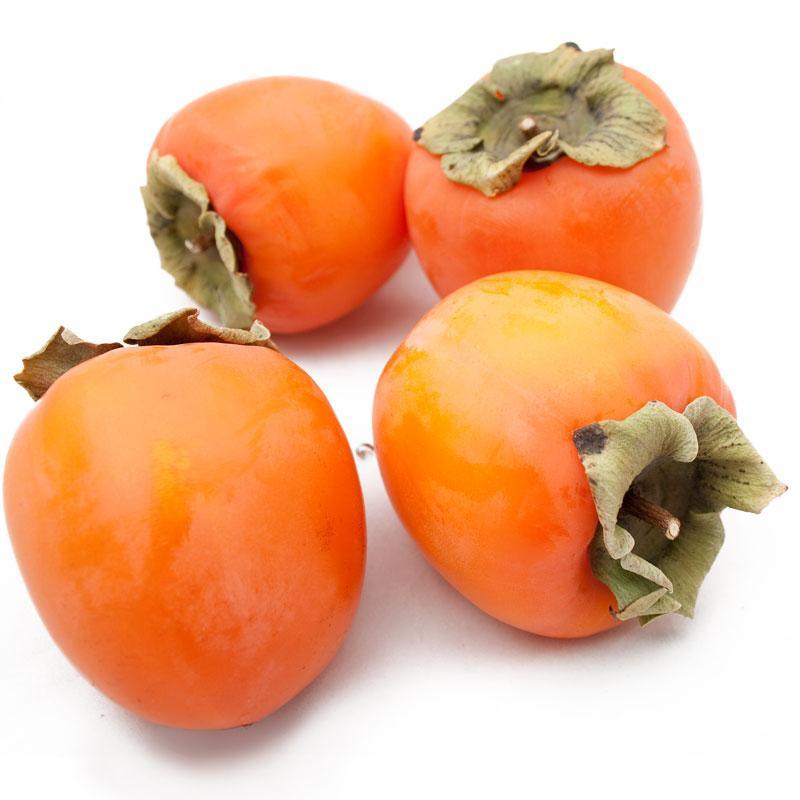
Hachiya is the persimmon that transforms patience into extraordinary dessert fruit. Its large, acorn-shaped fruit colors from glowing orange to deep red-orange and must soften completely before eating; at that point, the astringency disappears and the flesh becomes luxuriously smooth, custardy, and intensely sweet. A fully ripe Hachiya can be enjoyed with a spoon, folded into puddings and quick breads, or used to give cookies, cakes, sauces, and preserves a rich autumn flavor.
Fruit can also remain decorative on the branches after leaves begin to fall, creating a striking display of bright color against the late-season orchard. The tree’s glossy summer foliage turns warm shades in autumn, giving it ornamental appeal well beyond harvest. For bakers, preservers, and fruit lovers who enjoy dramatic seasonal change, Hachiya offers one of the most distinctive and rewarding crops a home orchard can produce. Hachiya is a traditional Japanese cultivar introduced to the United States during the nineteenth-century expansion of Japanese persimmon growing.
Plant Hachiya in full sun and well-drained soil, allowing room for its standard framework on D. lotus rootstock. Persimmons require relatively little pruning once their structure is established. Harvest carefully as fruit colors, then allow it to become completely soft before eating fresh.
Hachiya is self-fruitful, so one tree can set fruit. Another persimmon nearby can increase pollinator activity and may support overall fruit production while adding a contrasting crisp, non-astringent harvest.
Hachiya Persimmon Tree Details
- Fruit: Large, acorn-shaped fruit with glowing orange to red-orange skin
- Flavor and texture: Astringent when firm; exceptionally sweet, rich, and custardy when completely soft
- Best uses: Fresh with a spoon when fully ripe, puddings, breads, cookies, cakes, sauces, drying, and preserves
- Harvest: Mid-November to mid-December
- USDA zones: 7–10
- Chill hours: About 200 hours
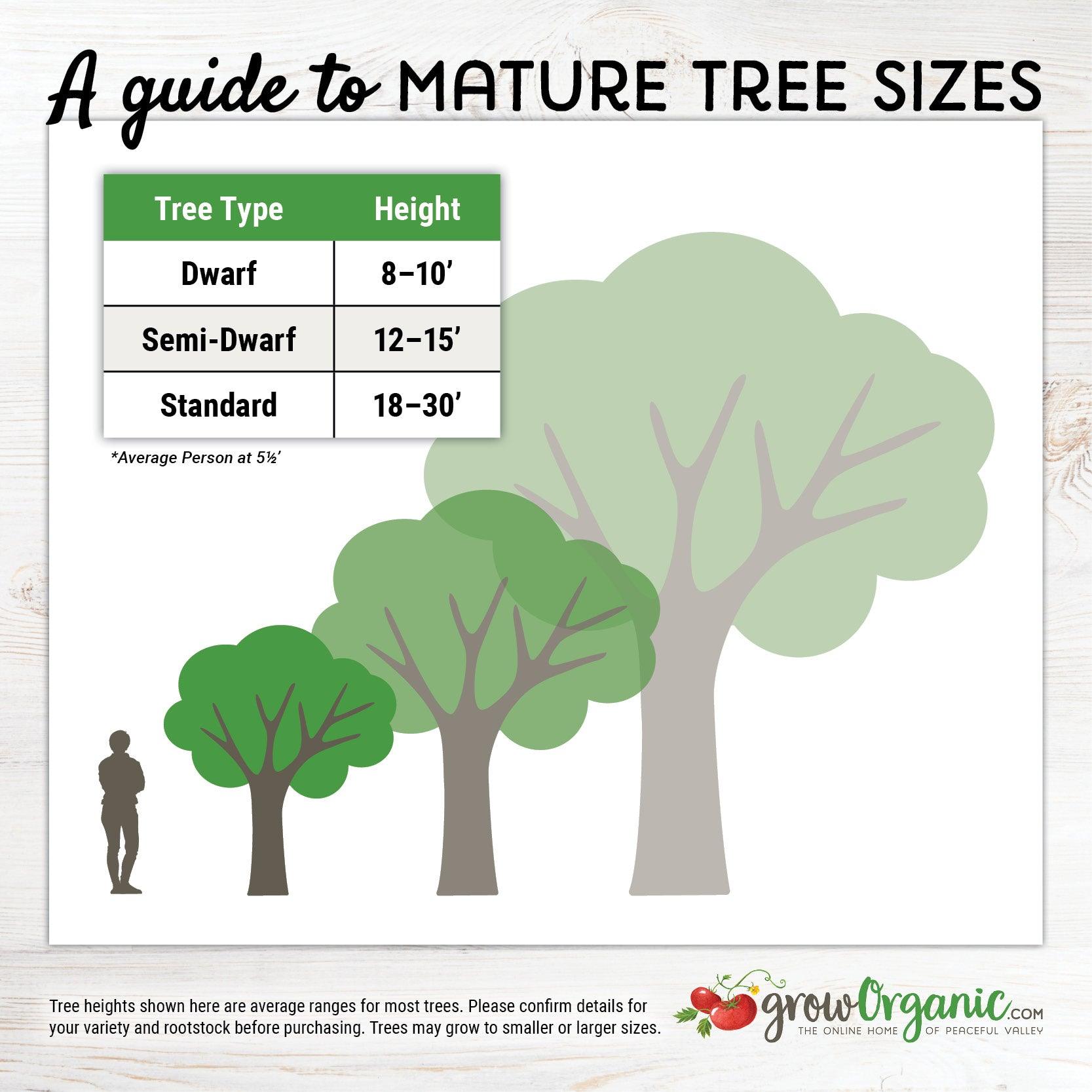
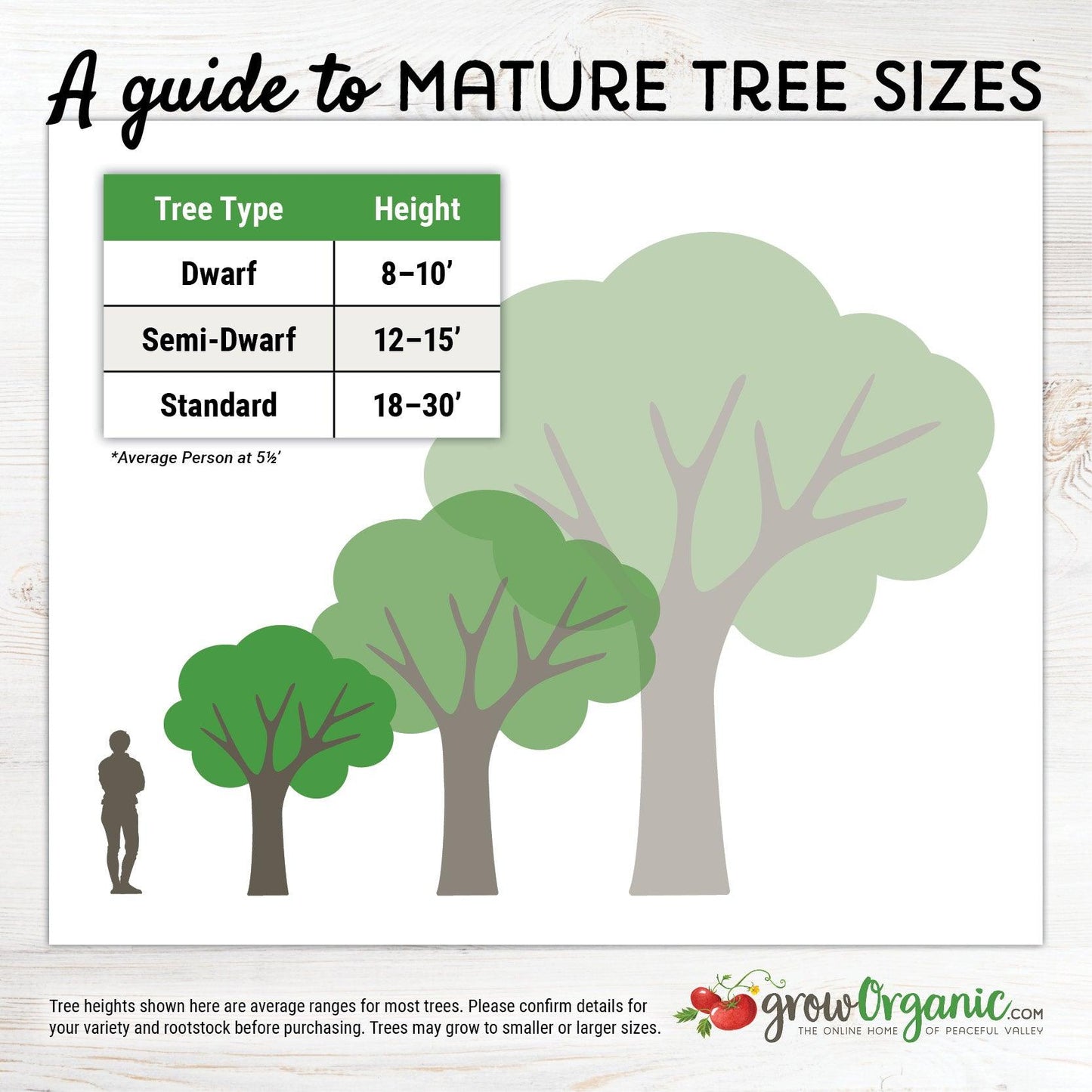
- Tree size: Standard on D. lotus rootstock
- Rootstock: D. Lotus
- Pollination: Self-fruitful; another persimmon can encourage additional pollinator activity
- Recommended pollinizers or companions: For contrasting crisp fruit, add Jiro Fuyu Persimmon
- Special care: Do not eat firm fruit; allow Hachiya to become fully soft and jelly-like so the astringency disappears
- Something Special: Hachiya is a traditional Japanese cultivar introduced to the United States during the nineteenth-century expansion of Japanese persimmon growing.
Orchard Planning Resources
Bare Root Tree Savings & Free Shipping
Bare Root Tree Savings & Free Shipping
Build your orchard and save by mixing and matching eligible bare root trees across qualifying varieties:
- Buy 3 qualifying bare root trees and save 5%
- Buy 10 qualifying bare root trees and save 15%
- Buy 6 qualifying bare root trees and receive free standard shipping
Ordering fewer than six trees? Orders of one to five qualifying bare root trees ship for a $29.99 fixed rate by FedEx or UPS.
Eligible trees may be combined within the BareRoot Trees shipping group. Potted plants, perennial bare roots, and fall perennials are tracked in separate shipping groups and do not count toward these thresholds.
Free standard and fixed-rate shipping offers apply to qualifying deliveries within the contiguous 48 states. USPS and expedited delivery are charged separately. Manufacturer-direct, dropship, and specially packaged products are excluded unless otherwise stated.
Shipping Information
Shipping Information
Cannot ship to the following states: HI, AK, PR, GU, VI
Shipping Weight: 5.0 lb
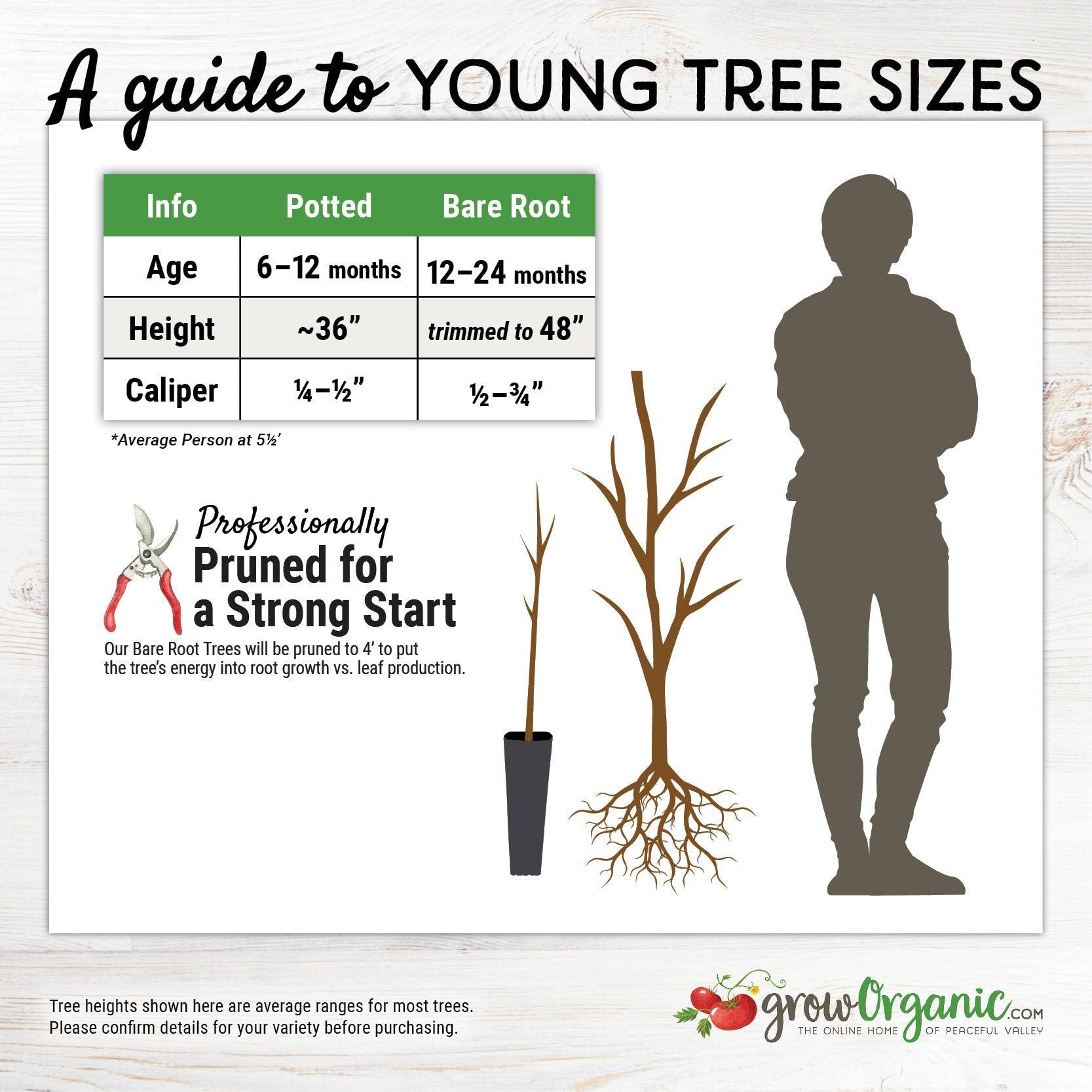
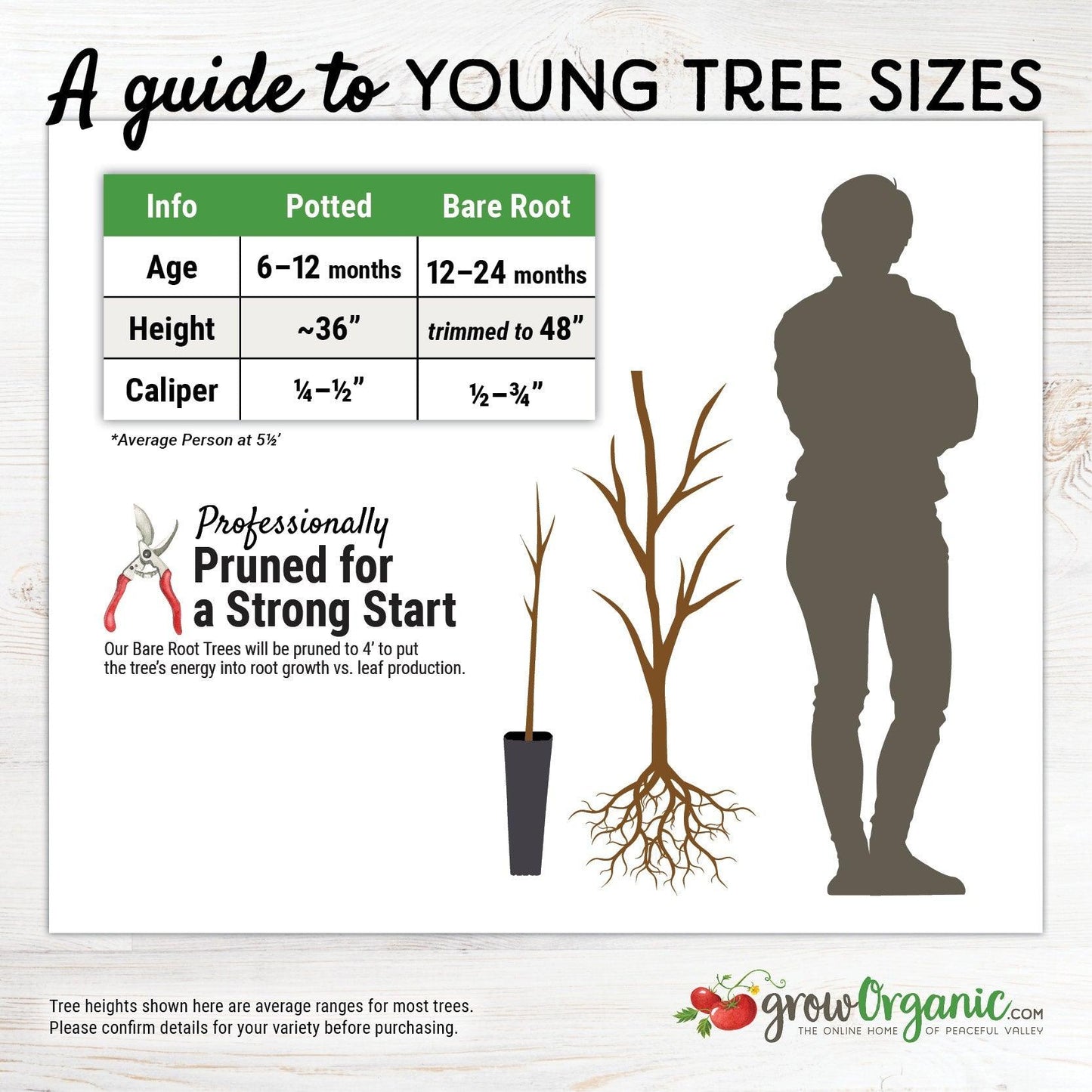
Dimensions: 47.5"L x 7.3"W x 2.75"H
Features
Features
- Bare Root
- Flavor Pick
- Self-fruitful
- Suited to Warmer Climates
Characteristics
Characteristics
Planting & Care
Planting & Care
Useful Information
Useful Information
Guarantee
Guarantee
Limited Dormant Tree & Plant Guarantee
* Claim deadline is June 15th
We guarantee that your dormant tree or plant will arrive in good, viable condition. If your tree arrives in substandard condition, notify us within 3 days of delivery. Please email pictures of the box, inside packaging, the tree and its roots to helpdesk@groworganic.com. For qualifying claims involving perishable items that arrive in substandard condition, we will provide a refund of the affected item’s purchase price, excluding shipping costs. At our discretion, we may offer a replacement instead, subject to product availability and shipping feasibility. You may accept the replacement (if we are able to offer one) or receive the refund.
If your dormant tree or plant has not grown new leaves by May 15th, you may be eligible for our Limited Dormant Tree & Plant Guarantee. This guarantee provides for a store credit for the purchase price of the tree, excluding shipping. Please see the Instructions below.
Important Dates:
All dormant-tree and plant guarantee deadlines apply in the calendar year you receive your order. Plant by April 1. If no new leaves have appeared by May 15, contact Customer Service for assessment. Submit your claim and all required documentation by June 15 of that same year.
- April 1st Dormant trees/plants must be planted in the ground
- May 15th Contact Customer Service for assessment if no new leaves have grown
- June 15th Deadline to apply for a dormant tree/plant credit
All required documentation must be received by June 15th for your claim to be considered. Claims or documentation received after June 15th will be denied, without exception. Instructions listed below
Terms and Conditions
We cannot guarantee that your tree or plant will remain alive and healthy after it is received, or bear fruit as there are too many variables in your environment that are beyond our control (i.e. soil preparation, weed and pest control, proper irrigation, chill hours, compatible hardiness for your growing zone, proper choice of pollinator, extreme weather, rodent damage, disease, etc.).
We cannot guarantee that we will be able to provide a replacement tree/plant of the same species either that same growing season or in future years. Customers are responsible for all shipping fees associated with replacement trees and plants.
If we determine that the tree you purchased directly from us is not viable, we will issue you a store credit (not a refund) for the purchase price of the affected dormant tree or plant. Shipping is not included in the dormant tree/plant guarantee. Store credits can be used to purchase any product we sell. Store credit issued under the Dormant Tree & Plant Guarantee expires on July 1 of the calendar year following delivery. Previously issued credits retain their original terms.
Historically, 98% of our dormant trees and plants grow and thrive when they have been cared for and planted using our growing guides. Dormant trees and plants must be planted in the ground by April 1st in order to be eligible for credit. If the ground in your area is still frozen solid, you may temporarily plant your tree or plant in a pot.
Potted, non-dormant trees or plants are excluded from this guarantee as they are not dormant at the time of shipment. Evergreen trees such as citrus, avocado and olive trees are not available for credit under the Dormant Tree and Plant Guarantee.
Instructions
We guarantee that your dormant fruit tree or plant will leaf out, if you care for it according to our growing guides. In the unlikely event that your dormant tree or plant does not have leaves by May 15th, follow these simple steps to apply for a store credit:
Contact Customer Service with your order number, the plant name, the quantity affected, and photos of the entire plant and visible affected areas. Do not dig up a planted tree or plant for this initial review. Our team may request additional photos or guide you through a scratch test or root inspection when needed to evaluate your claim. All applicable guarantee deadlines still apply.
Green Cambium Layer / Living Trees
If the cambium layer under the bark is green, give your tree a little more time. It is still alive, but hasn’t come out of dormancy yet. Check to make sure that it is getting the right amount of deep root water, enough sunlight and that the weather is warm enough for that type of tree/plant to come out of dormancy. Every tree has its own personality and will come out of dormancy at different times. Be sure to submit the required documentation listed below by June 15th, if it doesn’t grow leaves.
Brown Cambium Layer / Dead Trees
If the scratch test shows a brown cambium layer or if your dormant tree/plant doesn’t have leaves by May 15th, please email us at helpdesk@groworganic.com. All required documentation listed below must be received by June 15th for your claim to be considered. To be considered for the guarantee claim, all required documentation must be received by June 15th. Incomplete submissions will be denied.
Required Documentation
- Order number
- Name of dormant tree/plant and the quantity affected
- Photos of each tree or plant showing:
- Visible affected areas; additional root inspection photos only if requested by our team
- The scratch test areas, only if our team requests a scratch test
- The entire tree/plant
We reserve the right to not issue credit for items that have already been replaced. We also reserve the right to require photographic evidence that the tree/plant was not killed by root rot, rodent or mechanical damage.



- Choosing a selection results in a full page refresh.
- Opens in a new window.