

Quick Answer
Choose floating row cover by the protection needed: lighter fabrics favor light transmission and insect exclusion, while heavier fabrics provide more temperature buffering. Support, seal, vent, and remove covers according to crop growth, weather, and pollination needs.
How to Choose the Best Floating Row Cover: Floating Row Covers for Pest Control & Frost Protection
Floating row cover is a breathable garden fabric used for two main jobs: excluding insects and moderating short periods of cold. The correct fabric depends on the problem you need to solve. Lighter covers admit more light and are generally better for insect exclusion; heavier covers trade light transmission for greater insulation.
Row cover is not interchangeable with insect netting, greenhouse plastic, or shade cloth. Insect netting emphasizes airflow without meaningful frost protection, greenhouse plastic sheds rain and can heat rapidly, and shade cloth is designed to reduce solar exposure. Use the comparison below before choosing a material.

What Are Floating Row Covers?
Floating row covers for pest control are breathable, nonwoven fabrics—typically made from spun-bonded polypropylene or polyester—that “float” over your plants without heavy support. They let in sunlight, air, and water while keeping out pests and maintaining more stable temperatures underneath. These covers work well for a variety of uses, from protecting cool season crops in cold weather to deterring insects during warm months.
For example, Agribon AG-19 provides excellent protection against frost and small insects while allowing around 85% light transmission, keeping your plants healthy and productive.
Why Use Floating Row Covers?
Floating row covers offer three key benefits:
1. Pest Control
Row cover works as a physical barrier only while the planting is completely enclosed. Install it before the target insect reaches the crop, seal every edge, and inspect for tears. It does not control insects already beneath the cover. On flowering crops that require insect pollination, uncover plants during bloom or provide another pollination plan.
2. Frost Protection
When temperatures drop, row covers trap heat from the soil, preventing frost damage. Heavier covers, such as Agribon AG-50 or Agribon AG-70, can protect plants from temperatures as low as 24°F. These act like a frost blanket, giving gardeners across the United States the ability to protect crops well into late fall or start them earlier in spring.
3. Sun and Wind Protection
Row covers can also act like a shade cloth, shielding tender transplants from excessive sunlight or wind. Lighter options like Agribon AG-15 allow maximum airflow and light penetration while still offering protection against harsh weather conditions.
Choosing the Right Row Cover Fabric
When selecting the best floating row cover, consider your local climate, plant type, and goals. Here’s how to choose the right row cover material for your needs:
| Material | Primary use | Key tradeoff | Best next step |
|---|---|---|---|
| Lightweight floating row cover | Insect exclusion and light weather buffering | More light and airflow; less insulation | Compare row-cover weights |
| Heavy floating row cover | Short-term frost protection | More insulation; less light | Check the individual product specifications |
| Insect netting | Insect exclusion in warm conditions | High airflow; little or no frost protection | Browse insect-control options |
| Shade cloth | Reducing solar exposure and heat stress | Not a frost blanket or sealed insect barrier | Compare shade fabric |
| Greenhouse plastic | Rain shedding and enclosed heat retention | Requires active ventilation | Browse greenhouse plastic |
Selection tip: Always check your local garden frost dates to match the correct row cover weight with your planting schedule.
When to Use Floating Row Covers
Use floating row covers at different times of the year depending on your goal:
- Spring and Fall: Protect new seedlings and cool season crops from frost and early pests.
- Summer: Use lightweight covers as shade to prevent transplant shock and deter insects.
- Winter: Apply heavy row covers or frost blankets for long-term cold protection.
For step-by-step demonstrations, see our videos on Direct Seeding & Frost Protection and Planting Vegetables.
How to Use Floating Row Covers Effectively
1. Install Your Cover
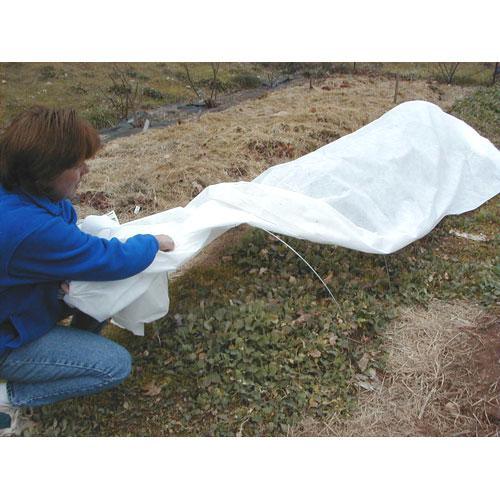
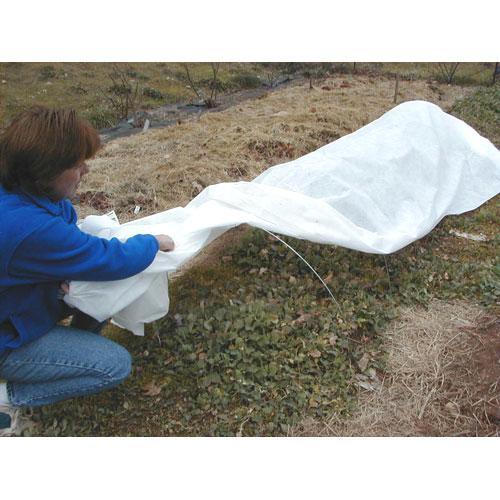
Lay the row cover fabric directly over the plants or drape it over hoops to create space for plant growth. If you’re covering larger beds, use PVC pipe or wire hoops to build a simple support frame. For detailed DIY guides, see our tutorials on How to Build a Low Tunnel Hoop House and How to Make a Hoophouse on a Raised Bed.
2. Secure the Edges
Weigh down the sides with soil, rocks, or landscape staples to prevent wind from lifting the cover. Be sure the fabric is snug but not tight—plants need room to grow underneath.
3. Maintain Airflow and Moisture
Since most covers allow rain and air to pass through, you typically don’t need to remove them for watering. Just make sure your row cover material remains clean and free of tears to maintain its light transmission and protection qualities.
How to Size, Install, and Manage Row Cover
Allow Enough Width
Measure the bed width, the height of the hoops or crop, and the distance needed to reach the ground on both sides. Add extra material for anchoring and end closures. A cover that barely spans the frame is difficult to seal and may pull against plants as they grow.
Seal the Entire Perimeter
For insect exclusion, gaps at the ends and sides defeat the barrier. Use compatible clips on hoops and continuous weights, boards, pins, or soil along the edges. In windy sites, reduce loose fabric and check anchors after storms. Avoid sharp edges that can abrade the material.
Monitor Temperature and Crop Development
Conditions beneath a cover can differ from the forecast. Check the protected area on sunny days, especially when using heavier fabric or any plastic layer. Lift or vent the cover when heat accumulates. Remove or open insect barriers when flowers need pollinator access, and allow enough slack for crop growth.
Use Product Specifications for Frost Planning
Frost performance varies with fabric weight, wind, soil warmth, moisture, duration of cold, crop hardiness, and installation. Treat a manufacturer’s temperature guidance as a planning reference—not a guarantee of plant survival—and use a thermometer beneath the cover when conditions are critical.
Caring for Row Covers
Service life depends on fabric weight, sunlight exposure, wind, handling, and storage. To improve the chance of reuse:
- Gently wash or hose down the fabric.
- Let it dry completely before storage.
- Roll and store in a cool, dry place.
- Inspect for holes or tears before reusing.
Retire material that can no longer be sealed or that has lost enough strength to tear during installation.
Buy Your Floating Row Covers Today
Ready to get started? Explore our complete collection of floating row covers and frost blankets to find the right fit for your garden.
Conclusion
From insect prevention to frost protection, floating row covers are one of the most versatile and reliable tools in gardening. They help protect plants from harsh weather conditions, extend the growing season, and reduce pest damage—all while being reusable and easy to set up.
Whether you’re using a simple PVC pipe tunnel or laying fabric directly over the soil, the right floating row cover can transform your garden into a thriving, resilient space year-round.
FAQs: Floating Row Covers for Pest Control & Frost Protection
What are floating row covers?
What is the best row cover for insect control?
Can floating row cover be used as shade cloth?
When should I use row covers?
Do row covers need to be watered?
Are there different types of row covers?
What are floating covers?
Can floating row covers help in cold weather?
What is the best way to protect crops from the squash vine borer?
Row Cover and Frost-Protection Resources
Row-cover weights differ in light transmission, durability, and insulating value. Select a cover for the crop and expected conditions, seal the edges against wind, and check the protected area for excess heat or restricted pollinator access.
- Plan a season-extension system
- Build a low tunnel
- Shop floating row covers
- Shop frost-protection supplies
Related Pest Control Resources
Content role: Supporting guide · Topic: IPM & general pest control
- What is Integrated Pest Management (IPM)?
- Pest Control Solution Chart
- Browse Insect Control products
Identify the pest or problem first. For pesticides, repellents, traps, and biological controls, confirm that the current label or directions cover the target site and pest. Follow all directions and precautions.











3 comments
My husband and I used electrical conduit and created our own “bender” by screwing in 2 inch screws in ply wood along an arc and then bent the conduit. It works very well.
Kathy, all I know of is pipe made of metal, but you will need to have a tool to bend it in order to make a low tunnel. The Agribon is made with spun-bonded polypropylene.
I read a lot about the toxicity of PVC. I have cancer so am trying to reduce any environmental toxicity.
1-Do you know of any tubes that are not made of PVC material?
2- What is the cover fabric made of?
Thankyou.