Watch: direct seeding and frost protection
Introduction
Direct sowing means planting seeds where the crop will grow. It can simplify garden planning, but success still depends on the crop, prepared soil, suitable weather, and regular moisture checks. Use this guide to choose an establishment method and plan protection for young plants.
Direct sow or start indoors?
Choose the method for the crop and your available growing season. An indoor start is useful only when you can provide suitable light, space, and care until outdoor conditions are appropriate.
| Crop group | Usual starting point | What to check |
|---|---|---|
| Carrots, radishes, peas, and beans | Direct sowing is commonly used. | Follow the variety's sowing window and soil requirements; these crops do not all tolerate the same temperatures. |
| Tomatoes, peppers, and eggplants | Indoor starting or purchased transplants can provide a head start. | Allow for indoor care and hardening off, then wait for suitable outdoor conditions. |
| Lettuce and many brassicas | Direct sowing or transplanting may be appropriate. | Choose according to the season, desired harvest, and ability to care for seedlings. |
| Cucumbers, squash, and melons | Direct sow into suitable warm soil or use carefully managed young transplants. | Follow crop guidance and avoid unnecessary root disturbance. |
For indoor equipment and care, use the Seed Starting guide. Before moving indoor-grown seedlings outside, follow the hardening-off guide.
Plan the sowing window
Check the current seed packet, local seasonal guidance, soil conditions, and the forecast together. A calendar date alone cannot tell you whether a seedbed is ready. Cool-season and warm-season crops have different needs; even within those groups, varieties and establishment methods differ.
Use the frost-date planning guide for indoor-start calculations and the succession-planting guide for repeat sowings and follow-on crops. Keep those plans flexible as the season develops.
Prepare the seedbed and sow
- Remove weeds and break up surface clods without working soil that is excessively wet.
- Mark the crop and variety so later watering, thinning, and harvest decisions are clear.
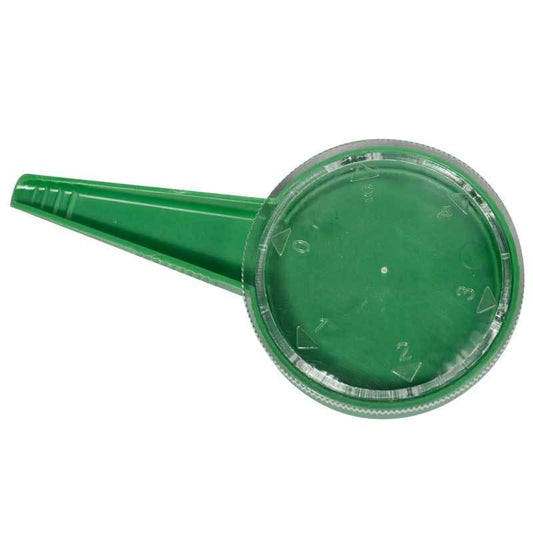
- Follow the packet's planting depth and initial seed spacing. Do not apply one depth or spacing to every vegetable.
- Water gently so seeds stay in place, and check the seed zone as it dries.
- Thin according to the variety's final spacing so developing plants have room.
Our seed-packet guide explains how initial sowing spacing differs from mature plant spacing.
Use row covers with realistic expectations
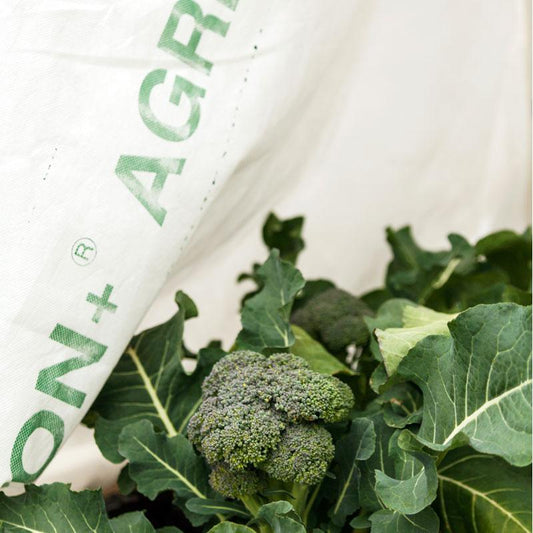
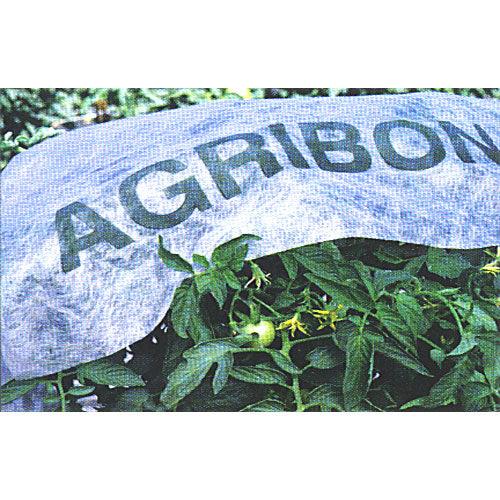
Row covers can help protect young plants, but protection depends on the specific fabric, installation, crop, and conditions. Check the manufacturer's directions for the cover you choose. A cover is not a guarantee against frost damage.
Secure the cover as directed, check beneath it regularly, and adjust or remove it when conditions call for ventilation or crop access. For crops that depend on visiting insects for pollination, plan when covers must come off. Do not assume every cover can stay over every crop all season.
Compare Agribon row covers and read the current Agribon AG-19 product instructions before selecting a fabric.
Check the crop after emergence
Continue watching moisture, crowding, weeds, and weather after seedlings appear. Record the sowing date and variety, then note which conditions helped or delayed establishment. Use those observations to refine your next sowing without treating one season's result as a promise.
FAQs About Direct Seeding & Frost Protection
<Can I direct sow every vegetable?
Can I plant everything on my last frost date?
Does a row cover make planting safe in any weather?
Plan your next planting
Browse vegetable seeds once you have checked the crop, season, and available space. Return to the Seed Learning Center for crop-specific growing guides.
Further reading
University of Minnesota Extension: Starting seeds indoors explains which crops benefit from indoor starting and how to prepare transplants.