Introduction
Roll out the floral carpet in your garden to attract beneficial insects and keep them there. In this video Tricia talks about releasing predator beneficial insects into your garden as organic pest control. To make those beneficials happy you need to have some bad bugs present for them to munch on, and also flowers they will enjoy at various stages of their lives.


Flowers & Food for Beneficial Insects
Flowering Cover Crops

We have flowering cover crops designed to make the beneficial insects say, "Yum!" and stick around. Our special cover crop, the Good Bug Blend, has been field-proven for over a decade in large and small scale growing areas. Since the mix blooms nearly year-round, Good Bug Blend should be planted in areas which can go a little wild, such as field borders, ditch banks, and fence rows. Typically, you need to plant only 1% to 5% of your land with this mix for good results. We also created a mix that will grow only 2 feet tall (perfect to tuck under trees or grape vines, or in the home garden) -- our Low-Growing Good Bug Blend. Both mixes are full of clovers, wild carrots, sweet alyssum, yarrow, and parsley -- attracting our admiring eyes along with the beneficial insects.
 What Ladybugs Like
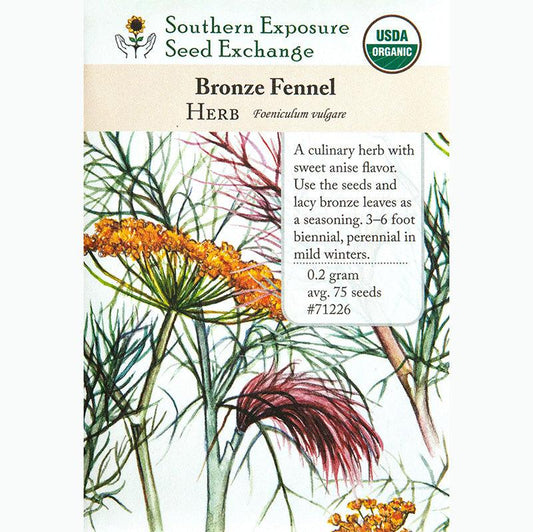
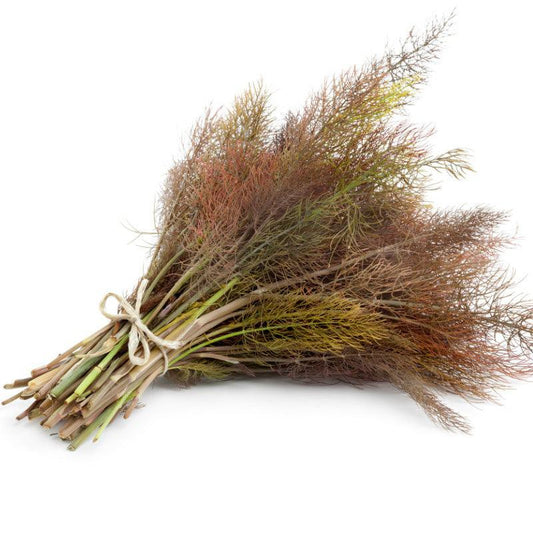
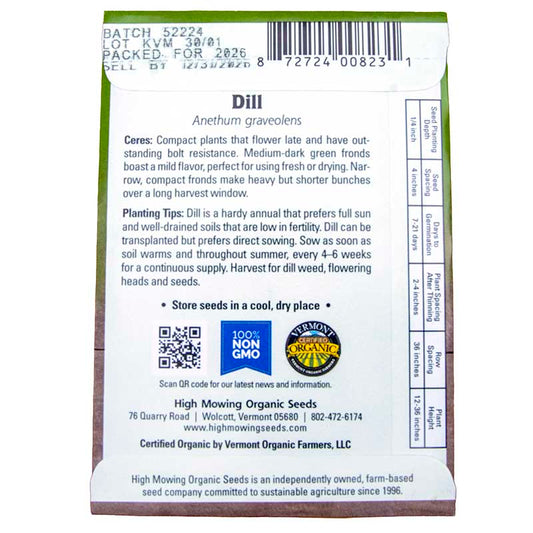
We have ladybugs to release in your garden. Put up a Ladybug House to make them comfortable. Their favorite flowers include alyssum, buckwheat, coriander, dill, fennel, Rocky Mountain penstemon, Queen Anne's Lace, sunflowers, and common yarrow.
Where Mantids Pray

Expand your Praying Mantid population with one of our cases of egg sacs. Mantids will hover in some cover, waiting for their prey to wander by. The drawback to praying mantids? They will eat any bug, whether it's one we think is "good" or "bad". So don't put the egg case in your butterfly garden or near your bee hives. The plants that mantids prefer are any with bugs on them, or plants with green stalks and leaves that will serve as cover.
 What Green Lacewings Love
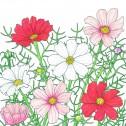
The sparkly and decorative green lacewings enjoy many of the same flowers as the ladybugs. Their menu list includes angelica, caraway, coriander, cosmos, dill, fennel, Queen Anne's Lace, and sunflowers.
Books About Good & Bad Bugs

This is a crucial topic for organic gardeners and farmers, so we bring you as much information as we can. We have a whole category of books on Pest Management. * Favorites are the handy Landscape Pests ID Cards to carry outdoors. * Prefer just one book on both pests and diseases? Try Rodale's The Organic Gardener's Handbook of Natural Pest and Disease Control.
Grow plants for predator beneficial insects and enjoy a flowery, balanced garden.
Conclusion
Creating a garden that attracts and supports beneficial insects is a powerful step toward natural, effective pest control. By planting nectar-rich flowers, incorporating flowering cover crops, and providing habitat and food sources, you can encourage helpful insects like ladybugs, lacewings, and even mantids to thrive. With the right balance of plants and prey, your garden becomes a self-sustaining ecosystem—reducing pests while promoting healthy, vibrant growth all season long.
FAQs About Attracting Beneficial Insects to Your Garden
What flowers attract beneficial insects?
Do you need pests in your garden to keep beneficial insects?
Are ladybugs and lacewings good for pest control?
Can praying mantids harm beneficial insects?
How can I keep beneficial insects in my garden year-round?
🌼 Resource Area:
Planting for Beneficial Predators
Include these nectar-rich flowers to lure green lacewings and other helpful insects into your garden:
- The Best Flowers to Attract Predator Beneficial Insects to Your Garden – Lists plants like dill, fennel, and cosmos that attract lacewings, ladybugs, and more.
- Releasing Green Lacewing Eggs – Introduces how to deploy eggs to encourage beneficial insect populations.
- Releasing Green Lacewing Larvae – Shows how to use larvae for immediate pest control.
Habitat Creation with Hedgerows
Discover how hedgerows can serve as natural insectaries, boosting biodiversity and pest control:
- How to Attract Beneficial Insects with Hedgerows – Details building habitat strips with beneficial flowering shrubs and grasses.
- Native Plants in Washington State: A Haven for Beneficial Insects – Focuses on the role of native hedges and perennials in supporting beneficial bugs.
Creating Bug-Friendly Habitats
Add garden structures and plantings that support beneficial insects year-round:
- Hanging a Mantid Egg Case – Step-by-step video for installing mantid cases that boost your garden's natural pest defense.
Summer Flowers, Water, and Pollinator Habitat
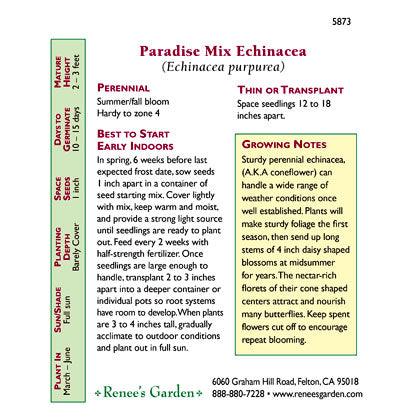
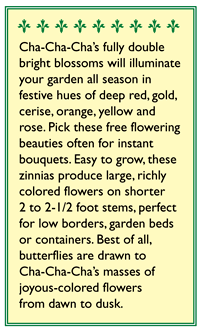
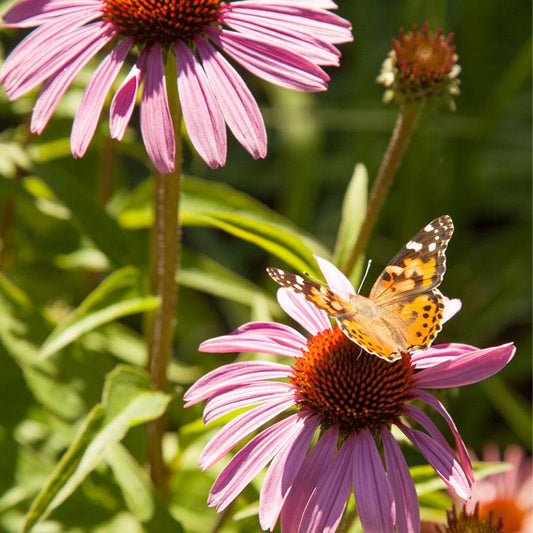
A garden can develop a summer bloom gap after spring flowers fade. Maintain overlapping bloom with several flower shapes and plant families rather than depending on one species. Depending on climate and available water, options may include sunflowers, zinnias, coneflowers, cosmos, yarrow, alyssum, buckwheat, and herbs such as dill or cilantro that are allowed to flower. Choose regionally adapted plants and manage flowering cover crops before they interfere with the next crop or produce unwanted seed.
Provide water only in a form you can maintain. A shallow container with stones or another landing surface can give insects access without deep open water. Refresh and clean it regularly, prevent stagnant water, and keep it away from pesticide mixing or application areas.
Preserve unsprayed habitat where practical. When pest treatment is necessary, identify the problem first, read the current label, and follow all pollinator precautions, application timing, and restrictions around blooming plants. For a broader habitat plan, read 7 Types of Pollinators and How to Attract Them.
Plan a Continuous Bloom Sequence
Choose several flower shapes and stagger bloom from early spring through fall. Small, open flowers can make nectar and pollen accessible to many parasitoid wasps and flies, while composite flowers and umbels support a broader mix of visitors. What performs best depends on climate, irrigation, soil, and the insects already present.
| Seasonal goal | Examples to consider | Management note |
|---|---|---|
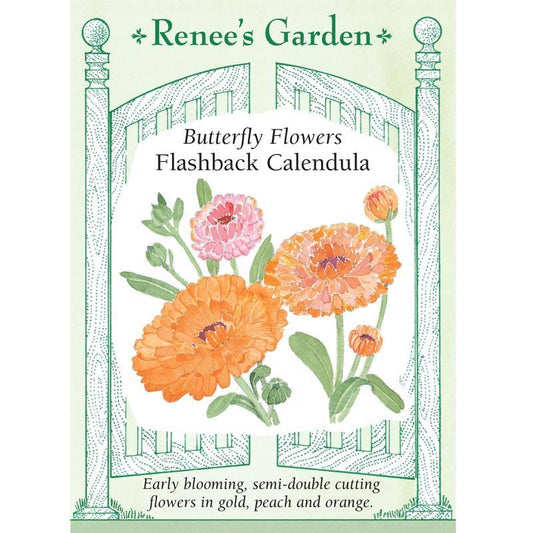
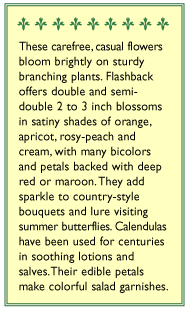
| Early bloom | Alyssum, calendula, early herbs allowed to flower | Avoid removing every flower when early natural enemies need food. |
| Midseason diversity | Dill, cilantro, yarrow, cosmos, buckwheat | Use overlapping bloom and avoid allowing unwanted volunteers to set seed. |
| Late-season resources | Sunflowers, asters, goldenrod, late-flowering herbs | Select plants suited to the region and available space. |
Habitat and Purchased Beneficials Serve Different Roles
Habitat supports insects that can reach and use the site. A purchased predator, parasitoid, or nematode needs the correct target pest, life stage, temperature, humidity, crop, release rate, and handling. More releases are not automatically better. Follow the supplier directions, avoid incompatible pesticide residues, and monitor the pest after release.
Compare parasitic beneficial insects, general predators, and hedgerow habitat before choosing the pathway.
Related Pest Control Resources
Content role: Pillar · Topic: Beneficial insects & biological control
Identify the pest or problem first. For pesticides, repellents, traps, and biological controls, confirm that the current label or directions cover the target site and pest. Follow all directions and precautions.
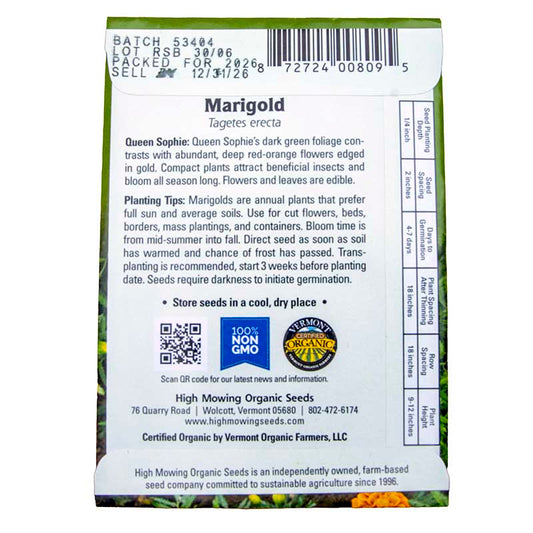
Place this flower in the seed plan
Use the How to Grow Flowers from Seed guide to compare annuals, perennials, indoor starting, direct sowing, and species-specific pretreatments. Review packet directions before sowing, then browse current options in flower seeds.