Introduction
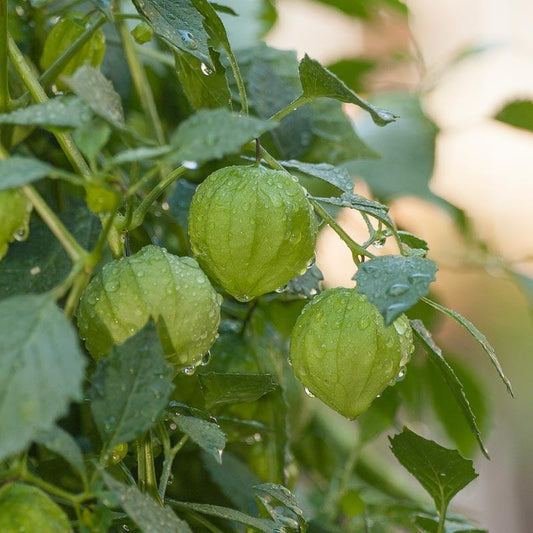
Tomatillos bring a tart flavor to salsa, sauces, and roasted dishes. Often called husk tomatoes, they grow inside a papery husk. For green varieties, pick firm fruit that fills its wrapper, usually as the husk dries or splits. Do not wait for softness.
Learning how to grow tomatillos starts with warm conditions, good drainage, and enough plants for pollination. This guide follows the crop from sowing through storage.

Starting Your Plants
Growing tomatillos from seed gives you more variety choices. Compare varieties of tomatillos by mature size, fruit color, and days to harvest. In short growing seasons, choose an earlier selection and start indoors.
For how to plant tomatillo seeds, University of Minnesota Extension recommends sowing about ¼ inch deep, four to five weeks before transplanting. Use seed-starting mix, keep it moist, and provide strong light after emergence. Follow your packet if its timing differs.
Gradually expose seedlings to outdoor sun and wind before transplanting. Plant tomatillos outside after the danger of frost has passed and the soil has warmed.
Understanding Tomatillo Growing Stages
How do tomatillos grow? Seedlings develop branching stems, then yellow flowers. After successful pollination, fruit enlarges inside husks. Empty wrappers alone do not mean a crop is developing.
A full grown tomatillo plant may reach three to four feet tall and wide. Give plants room to spread, generally two to three feet apart, following variety guidance. Install a tomato cage or stakes early to support branches and keep fruit accessible.
Site, Water, and Container Care
Choose full sun and well-drained ground. A growing tomatillo plant needs steady moisture without soggy roots. Aim for roughly one to two inches of water weekly, including rain, then adjust for soil and weather.
Base fertilizer use on a soil test. Too much nitrogen favors leaves over fruit production. Mulch can conserve moisture and reduce weeds around tomatillos growing in garden beds.
For planting tomatillos in pots, use a container with drainage holes and fresh potting mix. Allow at least five gallons for each standard-sized plant; larger containers offer more room. Grow two plants in separate pots nearby. Check moisture often because containers dry faster than garden soil.
Like tomatoes, tomatillos benefit from support and warm conditions. Our growing tomatoes guide explains related care for tomato plants, though pollination needs differ. Searches for “tomatoes tomatillos” often group related crops, but their pollination needs differ.

Recognizing Harvest Readiness
Wondering when to pick a tomatillo? Check firmness, husk fullness, and the expected color for your variety together.
- Green types: Harvest filled, firm green fruit before it becomes yellow and soft.
- Purple types: Purple tomatillos develop their expected color as they mature; check fullness and firmness too.
- Yellow types: Some cultivars naturally mature yellow, so follow the packet rather than applying green-variety rules.
When are tomatillos ripe? For kitchen use, a full husk and firm fruit are practical signs. The wrapper often turns tan and may split. Size varies, so compare fruit with the variety description.
How to Harvest Tomatillos
For a careful tomatillo harvest, snip the short stem with clean scissors or gently twist fruit free. Support the branch instead of tugging. Place the crop gently in a clean basket.
Keep harvesting tomatillos as more fruit reaches picking size. Plants may continue producing fruits until frost. Check regularly and gather usable fruit before freezing weather arrives.
Storage and Kitchen Uses
To store tomatillos, leave the wrappers on and refrigerate in a paper bag. Plan to use them within two weeks, checking for spoilage.
Before preparing fresh tomatillos, remove the husks and rinse away the sticky coating with water. Wondering what to do with tomatillos? Try salsa verde, roasted sauces, or chopped fruit in cooked dishes. For longer storage, wash, dry, and freeze whole or chopped portions. Use tested recipes for canning.
Conclusion
Successful tomatillo growing combines warm weather, pollination, steady care, and timely picking. Check fruit rather than relying only on calendar dates. Browse our tomatillo seeds to choose a variety suited to your space and kitchen plans.