
Collection: Dryland Pasture Seed Mixes
Improve the health of your soil while keeping your livestock happy with pasture seed!

-
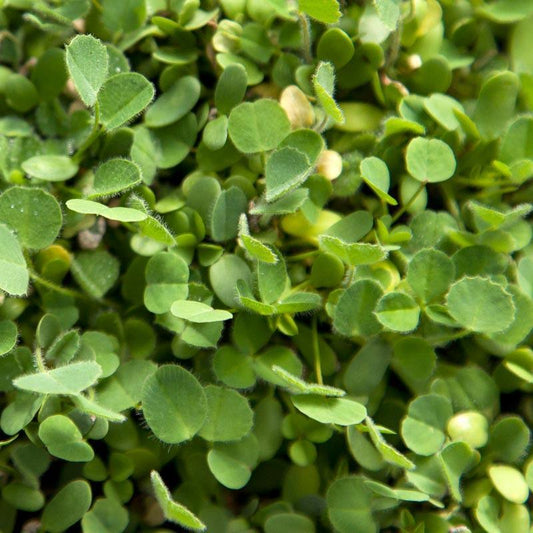
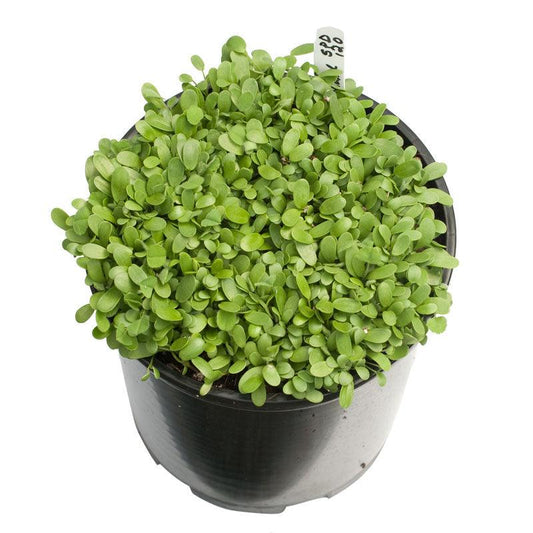
Peaceful Valley Low Rainfall Dryland Pasture Mix - Nitrocoated Seed (lb)
Regular price $9.99Sale $9.99Unit price per -
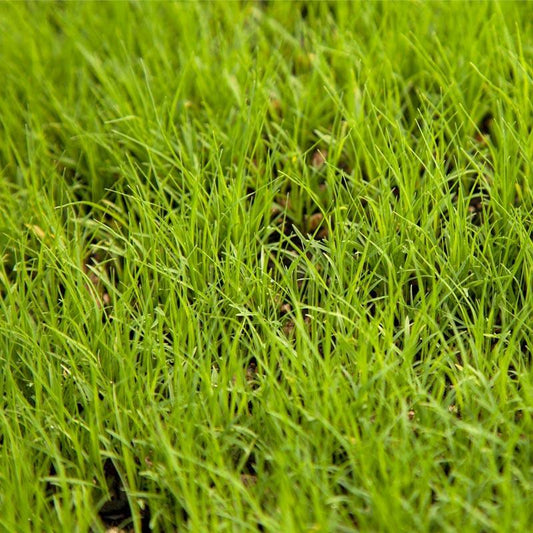
Buffalo Grass Seed (lb)
Regular price $53.99Sale $53.99Unit price per -
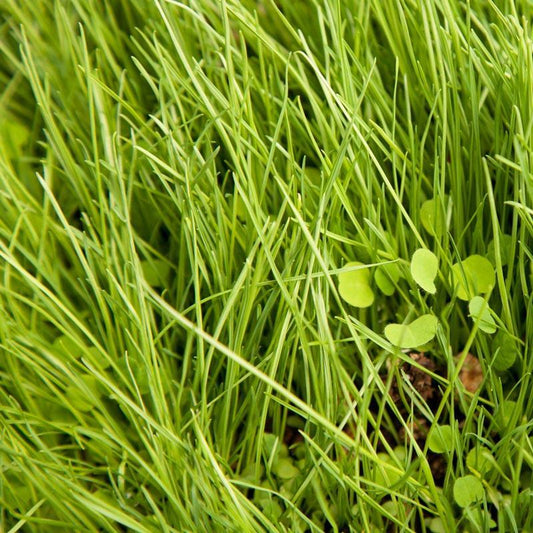
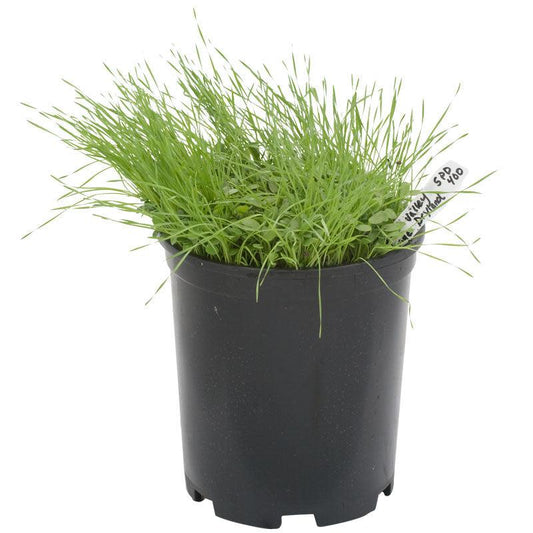
Peaceful Valley Grass Valley Range Mix for Dryland - Nitrocoated Seed (lb)
Regular price $9.99Sale $9.99Unit price per -
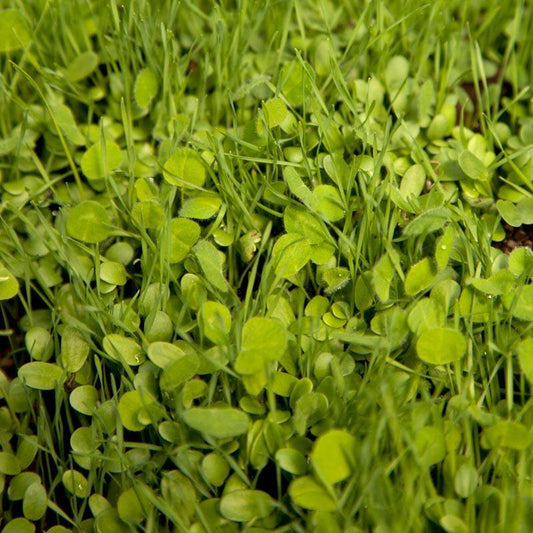
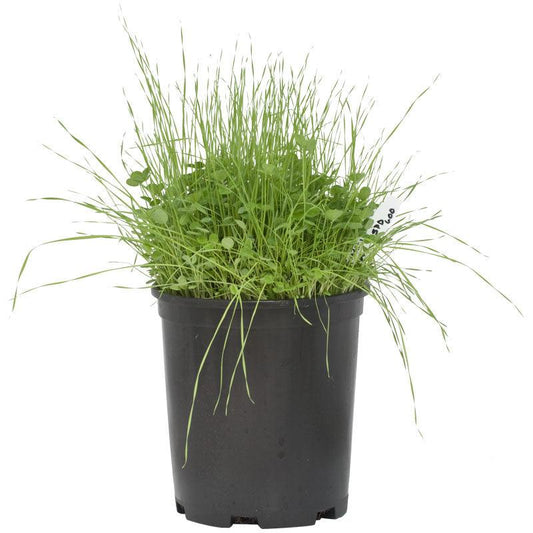
Peaceful Valley Sierra Foothill Dryland Mix - Nitrocoated Seed (lb)
Regular price $9.99Sale $9.99Unit price per -
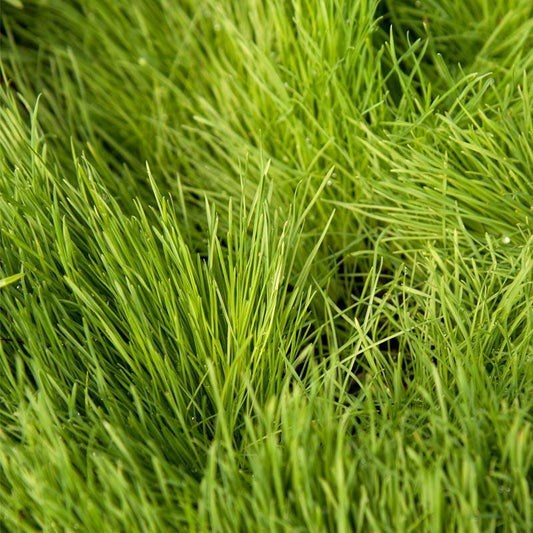
Orchardgrass, Dryland (lb)
Regular price $9.99Sale $9.99Unit price per -

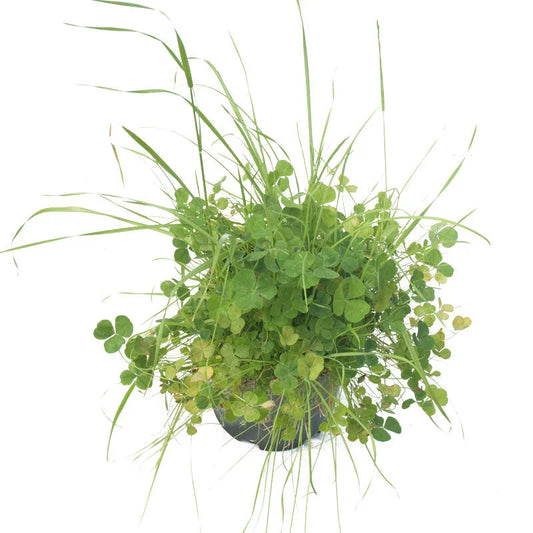
Peaceful Valley High Rainfall Dryland Pasture Mix - Nitrocoated Seed (lb)
Regular price $9.99Sale $9.99Unit price per -
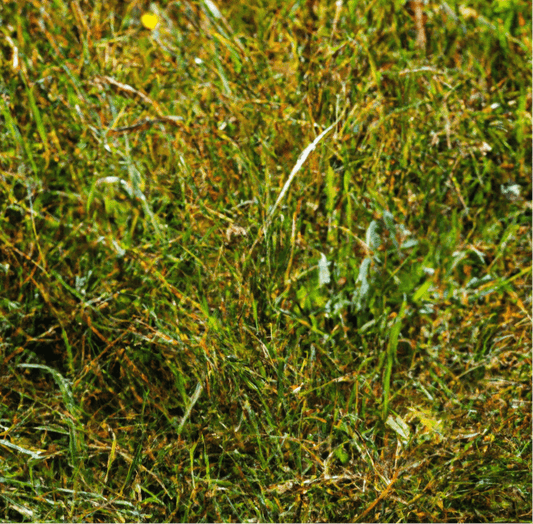
Peaceful Valley Dryland Horse Pasture Mix (lb)
Regular price $5.45Sale $5.45Unit price per -
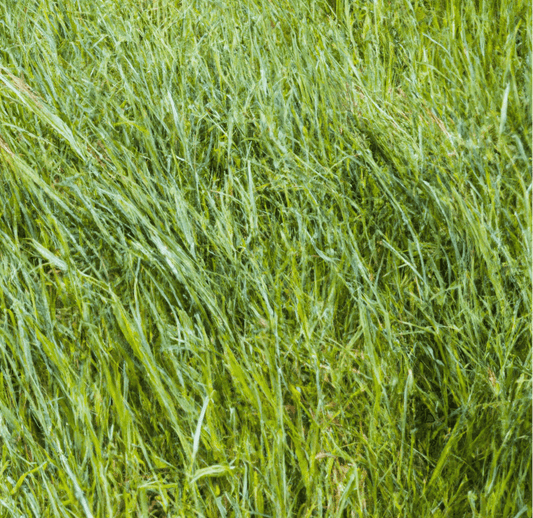
Peaceful Valley Dryland Grass Hay Mix (lb)
Regular price $1.99Sale $1.99Unit price per -
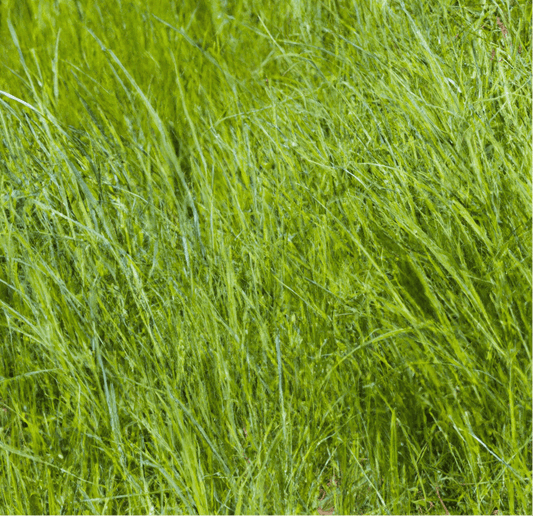
Peaceful Valley Grass Hay Mix (lb)
Regular price $5.50Sale $5.50Unit price per -
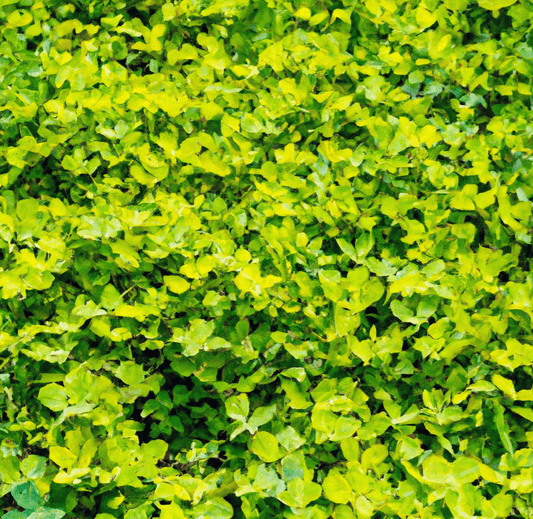
Peaceful Valley Low Rainfall Farm Reseeding Mix (lb)
Regular price $6.30Sale $6.30Unit price per -
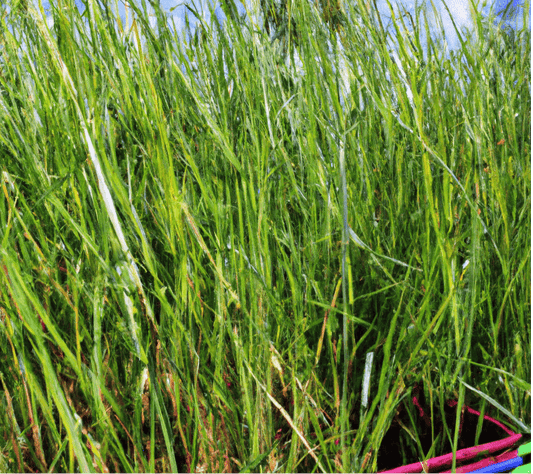
Peaceful Valley Premium Hay Mix (lb)
Regular price $3.20Sale $3.20Unit price per


Dryland pasture seed is selected for sites that depend primarily on natural precipitation or limited supplemental water. The right species or mix depends on annual rainfall, when that rain arrives, soil depth and drainage, elevation, temperature, livestock, and the length of the establishment period.
Choose seed for the site
- Rainfall pattern: Match the product’s stated rainfall range and seasonal growth pattern to local conditions.
- Livestock and use: Compare grazing, hay, wildlife, orchard-floor, and erosion-control suitability.
- New stand or renovation: Existing vegetation, weed pressure, planting equipment, and desired stand density affect the plan.
- Mix or single species: Blends can provide complementary growth habits, while individual grasses allow more precise selection.
Establishing dryland pasture
Plant when dependable moisture can support germination and early rooting. Soil testing and local extension guidance are more reliable than a single fertility or pH prescription for every dryland site. Seeding rates also differ by species, seed coating, drill or broadcast method, and renovation versus new establishment; follow each product page and label.
Some products contain legumes and some do not. Confirm whether the seed is raw, coated, or pre-inoculated before purchasing an inoculant. Compare all pasture seed or irrigated pasture seed when dependable irrigation is available.