
Enter Your Last Expected Frost Date:
Seed Planting Calculator
Use the seed planting calculator below to estimate when to start seeds indoors or sow outdoors. Enter your spring and fall frost dates, then review the schedule for each crop.
This seed starting calculator helps organize planting tasks around your growing season. Dates are estimates, so compare them with seed packet directions, local advice, and current weather before planting.
Before You Calculate
- Find local freeze-date information through NOAA National Centers for Environmental Information or your local Extension office.
- Choose a nearby reporting station with conditions similar to your garden.
- Note the average last spring freeze and first fall freeze dates.
- Check the temperature threshold and probability used by your source. Different frost-date references may use different measures.
Your zip code can help locate regional guidance, but it does not describe every garden. Elevation, slopes, buildings, and nearby water can change local temperatures.
Climate averages describe past patterns. They do not guarantee the final spring frost or first fall frost in any year.
Enter Your Spring and Fall Dates
- In Spring Planting, enter the month and day of your last expected frost. Select Calculate.
- In Fall Planting, enter the month and day of your first expected frost. Select Calculate.
- Review the crop list, suggested dates, and planting-method symbols.
Use this seed starting date calculator alongside the instructions for your variety. Direct sowing means placing seeds where they will grow. Starting indoors means raising seedlings before transplanting them outside.
Adjust the Suggested Schedule
Some vegetables tolerate cool conditions, while tender crops need warmer soil and nights. Check soil conditions and forecasts before moving seedlings outdoors.
Gradually expose indoor seedlings to outdoor light and wind before transplanting. This process is called hardening off. Protect them from cold during this adjustment.
For fall crops, check the packet’s days to maturity and local planting guidance. Growth can slow as days become shorter and temperatures drop.
Plan Supplies for Your Schedule
Read Seed Starting 101 for guidance on germination and seedling care. Browse Seed Starting Supplies for trays, cells, pots, and growing media.
A seed starter calculator helps with timing, but seedlings also need suitable light, moisture, and room to grow. Label each sowing with its variety and date, and record results for future planning.
FAQs About Seed Planting Calculator
How does the calculator work?
It provides suggested planting windows based on the dates you enter. Review the method shown for each crop.
Is this a germination calculator?
No. It estimates sowing dates rather than the day seeds will sprout. Use packet guidance for germination temperatures and timing.
Can I enter my location instead of dates?
The calculator has month and day fields. Find local frost information before entering your dates.
Spring Planting
/
Fall Planting
Enter Your First Expected Frost Date:
/
Recommended Planting Methods: = Direct Sow
= Start Indoors
Spring Planting Dates
Fall Planting Dates
 Beans
---
---
 Beets
---
---
 Broccoli
---
---
 Brussels Sprouts
---
---
 Cabbage
---
---
 Carrots
---
---
 Cauliflower
---
---
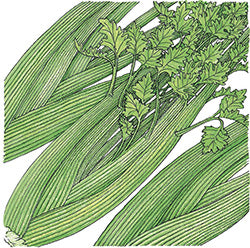 Celery
---
---
 Chard
---
---
 Corn
---
---
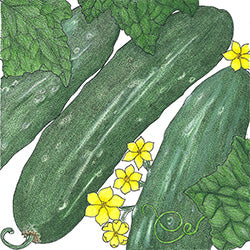 Cucumber
---
---
 Eggplant
---
---
 Gourds
---
---
 Greens
---
---
 Kale
---
---
 Kohlrabi
---
---
 Lettuce
---
---
 Melons
---
---
 Okra
---
---
 Onions
---
---
 Peas
---
---
 Peppers
---
---
 Pumpkins
---
---
 Radishes
---
---
 Squash
---
---
 Tomatoes
---
---
 Turnips
---
---
 Watermelon
---
---