









Collection: Grass Seed
Improve the health of your soil with grass!

-
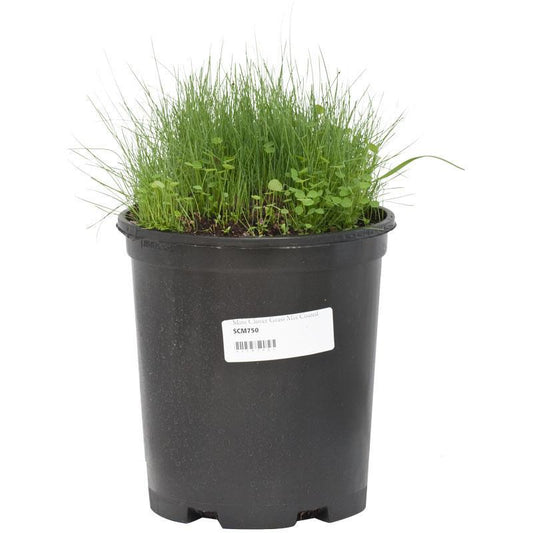
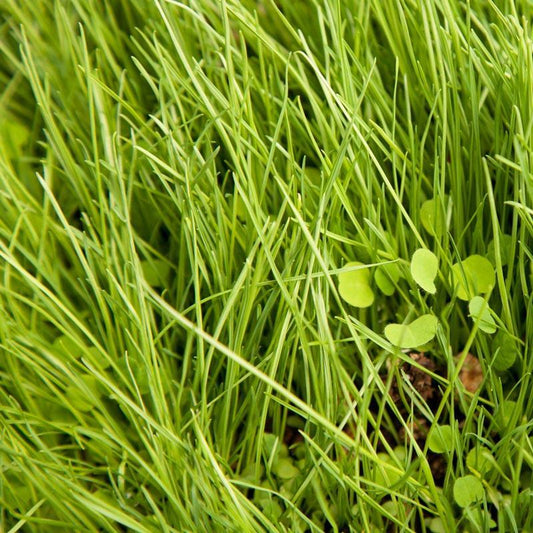
Peaceful Valley Mini Perennial Clover & Grass Mix - Nitrocoated Seed (lb)
Regular price $8.99Sale $8.99Unit price per -

Sudangrass - Raw Seed (lb)
Regular price $4.99Sale $4.99Unit price per -

Oregon Annual Ryegrass Seed (lb)
Regular price $4.99Sale $4.99Unit price per -


Organic Ryegrass, Oregon Annual (lb)
Regular price $2.75Sale $2.75Unit price per -
Timothy Grass Seed (lb)
Regular price $8.49Sale $8.49Unit price per -

Molate Fescue Native Grass Seed (lb)
Regular price $24.99Sale $24.99Unit price per -
Buffalo Grass Seed (lb)
Regular price $53.99Sale $53.99Unit price per -

Peaceful Valley Native Grass Mix Seed (lb)
Regular price $33.99Sale $33.99Unit price per -
Peaceful Valley Grass Valley Range Mix for Dryland - Nitrocoated Seed (lb)
Regular price $9.99Sale $9.99Unit price per -
Organic Orchardgrass (lb)
Regular price $10.99Sale $10.99Unit price per -

Peaceful Valley Low-Growing Grasses & Wildflowers Seed (lb)
Regular price $32.99Sale $32.99Unit price per -

Blando Brome Grass Seed (lb)
Regular price $9.99Sale $9.99Unit price per -

Paiute Orchardgrass Seed (lb)
Regular price $9.99Sale $9.99Unit price per -

Organic Ryegrass, Intermediate (lb)
Regular price $4.99Sale $4.99Unit price per -
Orchardgrass, Dryland (lb)
Regular price $9.99Sale $9.99Unit price per -

Turf Type Perennial Ryegrass Seed (lb)
Regular price $6.99Sale $6.99Unit price per -
Peaceful Valley Dryland Grass Hay Mix (lb)
Regular price $1.99Sale $1.99Unit price per -
Peaceful Valley Grass Hay Mix (lb)
Regular price $5.50Sale $5.50Unit price per -

Peaceful Valley Companions Grass Cover Crop Mix (lb)
Regular price $5.99Sale $5.99Unit price per -
New

Peaceful Valley Dryland Clover & Grass Mix (lb)
Regular price $10.99Sale $10.99Unit price per

Collection: Traditional Grass Seed and Alternatives
Shop grass seed for lawns, pastures, erosion control, native plantings, and mixed landscapes. Compare species and blends by climate adaptation, sun and shade, expected water needs, mature height, seasonal growth, wear tolerance, and intended use.
Cool-Season and Warm-Season Grasses
- Cool-season grasses: Ryegrass, fescue, orchardgrass, timothy, and related species generally grow most actively during cooler spring and fall conditions.
- Warm-season grasses: Buffalo grass and other warm-adapted types grow most actively with summer heat and may go dormant during colder periods.
- Native and regional mixes: Blends selected for a region or use can combine species with different establishment and seasonal traits.
The best fit depends on winter and summer temperatures, irrigation, soil, sunlight, and whether the site is a lawn, pasture, orchard floor, meadow, or low-input landscape. Transition-zone sites often require careful comparison of both warm- and cool-season options.
Select Grass Seeds for Site Conditions
Review each product for seeding rate, expected height, establishment time, and suitability for traffic. Heavy foot traffic, deep shade, drought exposure, or limited mowing can narrow the choices. Tall fescue grass, annual ryegrass, buffalo grass, native fescues, and clover-grass mixes serve different goals and should not be treated as interchangeable.
Seeding and Establishment
Prepare a firm, weed-managed seedbed and follow the product directions for regional timing, depth, seed-to-soil contact, and irrigation. Spring and fall are common seeding windows for cool-season species, while warm-season planting times differ. Use the current label or product page as the final guide.
Explore native grass seed, pasture seed, and lawn alternatives. See the guide to traditional and native lawn options for additional planning help.