
Collection: Meadow Seed & Mixes
Plant a meadow for the wildlife

-
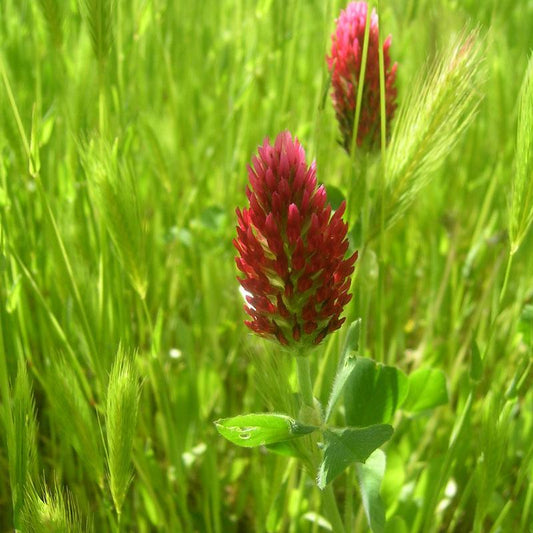
Crimson Clover - Nitrocoated Seed (lb)
Regular price $8.99Sale $8.99Unit price per -
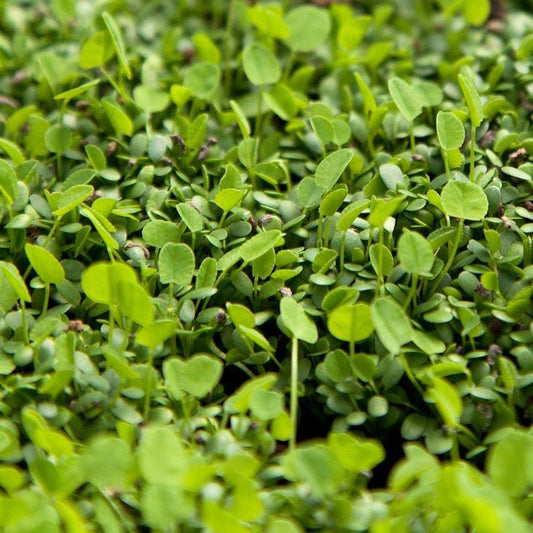
Palestine Strawberry Clover - Nitrocoated Seed (lb)
Regular price $8.30Sale $8.30Unit price per -

Birdsfoot Trefoil - Nitrocoated Seed (lb)
Regular price $11.99Sale $11.99Unit price per -
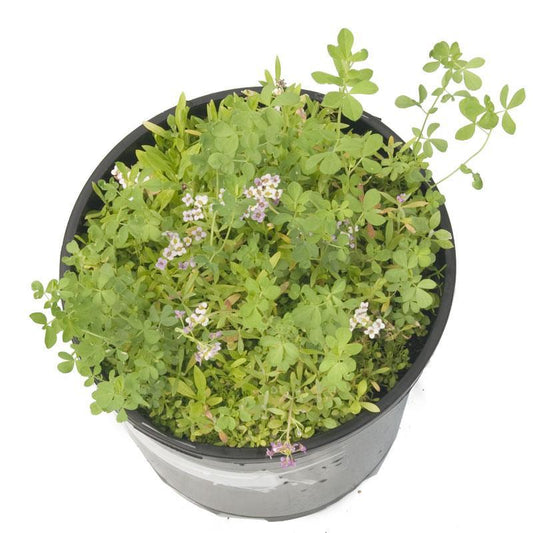
Peaceful Valley Herbal Lawn Mix - Seed (oz)
Regular price $16.19Sale $16.19Unit price per -
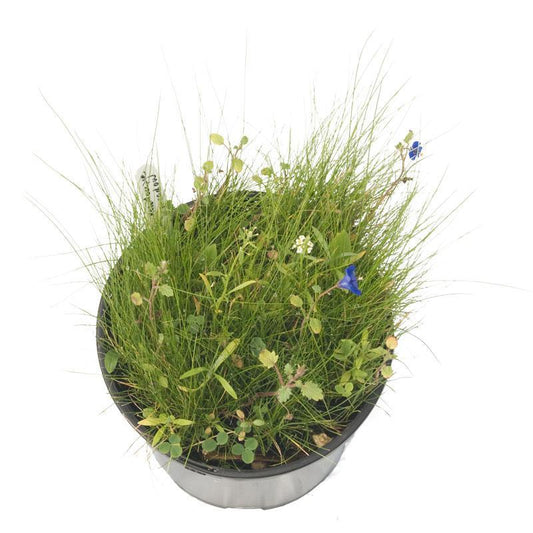
Peaceful Valley Kaleidoscope Meadow Mix - Seed (lb)
Regular price $9.99Sale $9.99Unit price per -

Phacelia Seed (lb)
Regular price $15.99Sale $15.99Unit price per -
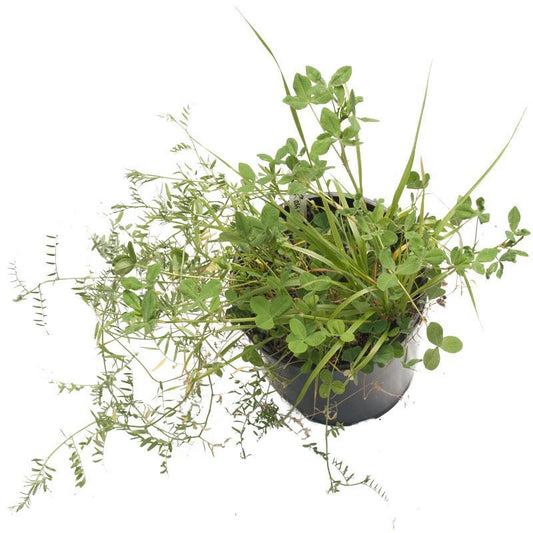
Peaceful Valley Dryland Wildlife Food & Habitat Mix - Nitrocoated Seed (lb)
Regular price $9.99Sale $9.99Unit price per -

Biennial Yellow Sweet Clover - Nitrocoated Seed (lb)
Regular price $9.99Sale $9.99Unit price per -
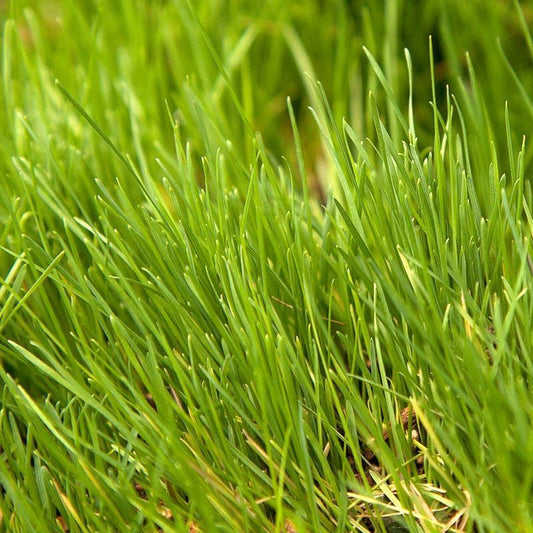
Timothy Grass Seed (lb)
Regular price $8.49Sale $8.49Unit price per -

Fescue, Covar Sheep Seed (lb)
Regular price $10.99Sale $10.99Unit price per -

Molate Fescue Native Grass Seed (lb)
Regular price $24.99Sale $24.99Unit price per -

Persian Clover - Nitrocoated Seed (lb)
Regular price $4.90Sale $4.90Unit price per -

Peaceful Valley Native Lawn Mix - Seed (lb)
Regular price $41.99Sale $41.99Unit price per -
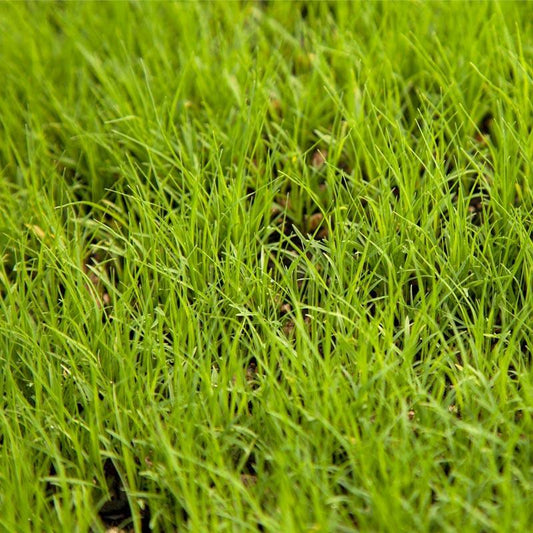
Buffalo Grass Seed (lb)
Regular price $53.99Sale $53.99Unit price per -

Hykon Rose Clover - Nitrocoated Seed (lb)
Regular price $8.99Sale $8.99Unit price per -

Peaceful Valley Native Grass Mix Seed (lb)
Regular price $33.99Sale $33.99Unit price per -

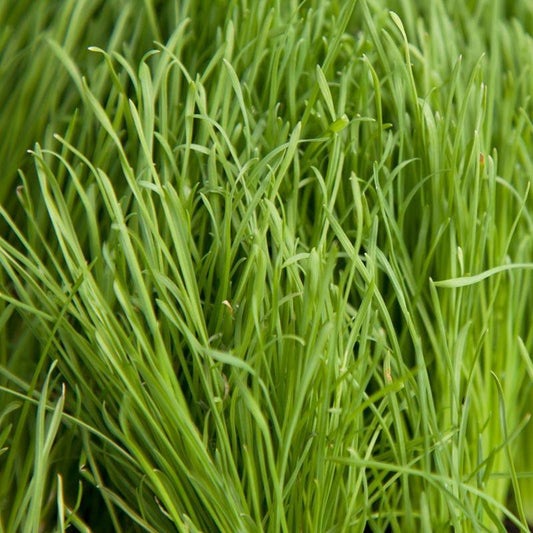
Organic Orchardgrass (lb)
Regular price $10.99Sale $10.99Unit price per -

Peaceful Valley Low-Growing Grasses & Wildflowers Seed (lb)
Regular price $32.99Sale $32.99Unit price per -
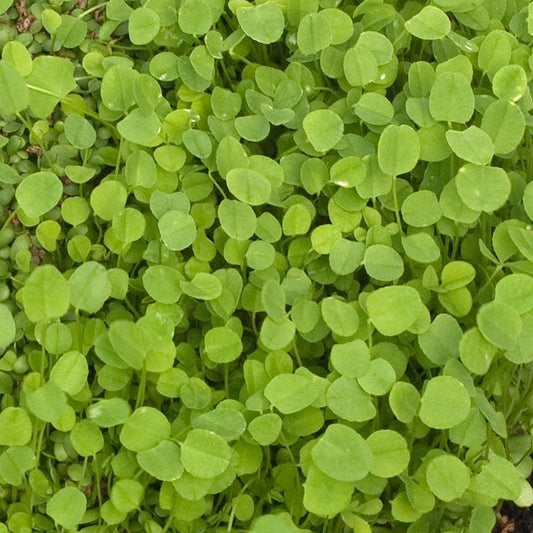
O'Conners Strawberry Clover - Nitrocoated Seed (lb)
Regular price $10.99Sale $10.99Unit price per -

Blando Brome Grass Seed (lb)
Regular price $9.99Sale $9.99Unit price per -

Organic Flax Seed (lb)
Regular price $5.99Sale $5.99Unit price per -

Paiute Orchardgrass Seed (lb)
Regular price $9.99Sale $9.99Unit price per -
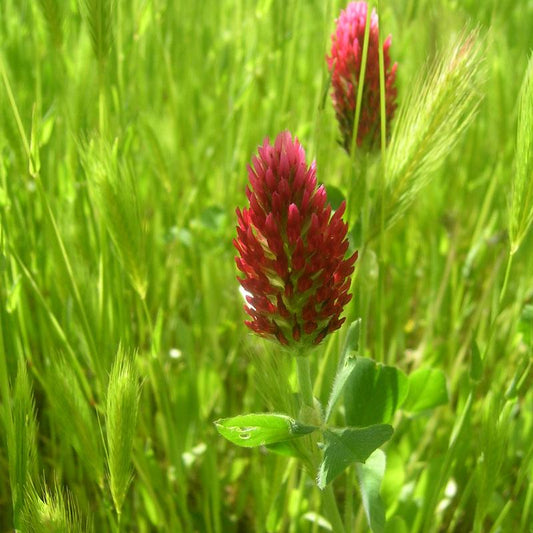
Organic Crimson Clover - Raw Seed (lb)
Regular price $9.99Sale $9.99Unit price per -
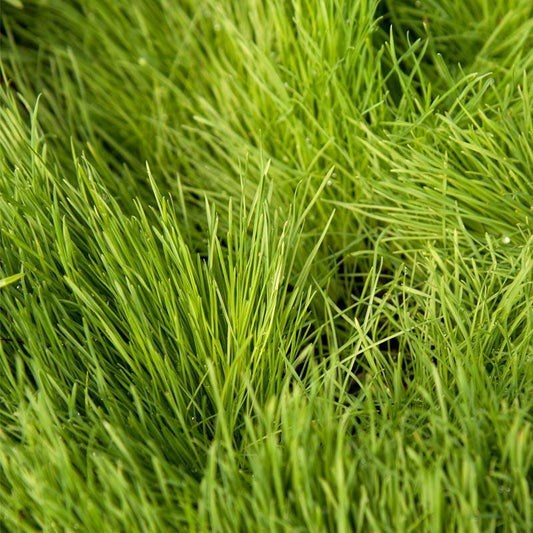
Orchardgrass, Dryland (lb)
Regular price $9.99Sale $9.99Unit price per -
 Sold out


Collection: A Diverse Mix To Bring Beauty and Improve Your Soil
Meadow seed and mixes create naturalized plantings using grasses, clovers, wildflowers, or combinations of these groups. They can be used for low-mow landscapes, pollinator-oriented plantings, wildlife habitat, native or regionally adapted grass areas, and informal open spaces where a conventional lawn is not the goal.
Choose the Type of Meadow
- Grass meadows: Emphasize texture, soil cover, seasonal movement, and lower-input landscape use.
- Grass-and-wildflower mixes: Combine structural grasses with flowering species for color and habitat.
- Clover and flowering stands: May provide low-growing cover and bloom, but require attention to climate, irrigation, and mowing.
- Wildlife-oriented mixes: Are selected around food, cover, or habitat rather than ornamental appearance alone.
Match the Mix to the Site
Review sun exposure, rainfall or irrigation, winter temperatures, summer heat, soil drainage, mature height, and the intended mowing schedule. “Low growing” does not mean maintenance-free, and not every meadow mix is appropriate for foot traffic, grazing, drought, or every region.
Prepare for Establishment
Reduce existing weed competition before sowing, prepare the soil as directed, use the correct seeding rate, and create good seed-to-soil contact. Meadow plantings may take more than one growing season to reach their intended appearance. Early mowing or weed management may be necessary while perennial species establish.
Legumes and Long-Term Management
Mixes containing raw clover or other legumes may require a compatible seed inoculant. Nitrocoated seed already includes an inoculant coating. Plan future mowing, irrigation, overseeding, and weed management before planting.
For managed grazing or hay production, visit Pasture Seed. For longer-term orchard, vineyard, or erosion plantings, explore Year Round Cover Crops.