
Collection: Non-Legume Cover Crop Seed

-
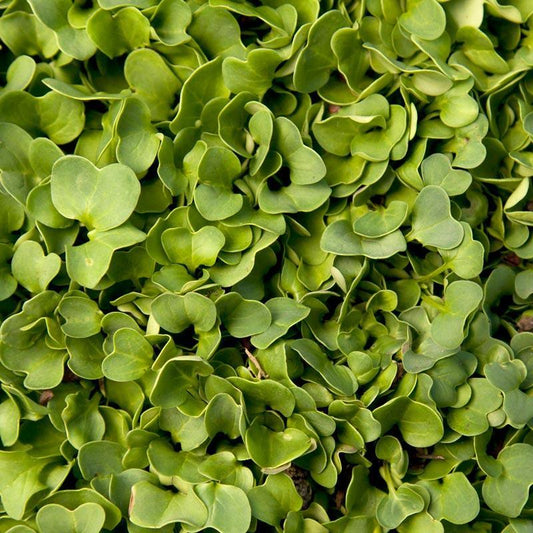
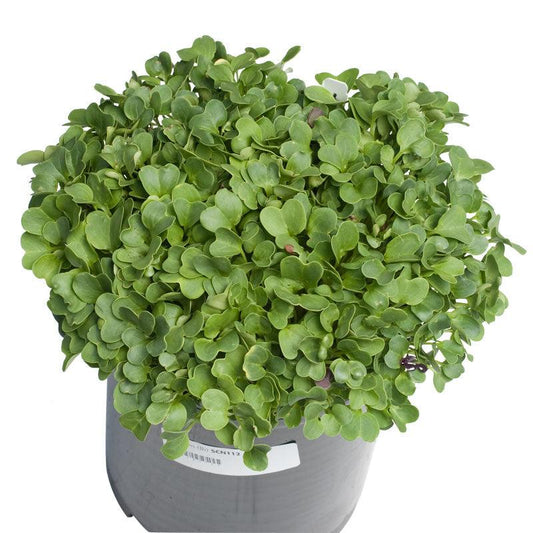
Daikon Radish Seed (Oilseed) (lb)
Regular price $4.99Sale $4.99Unit price per -
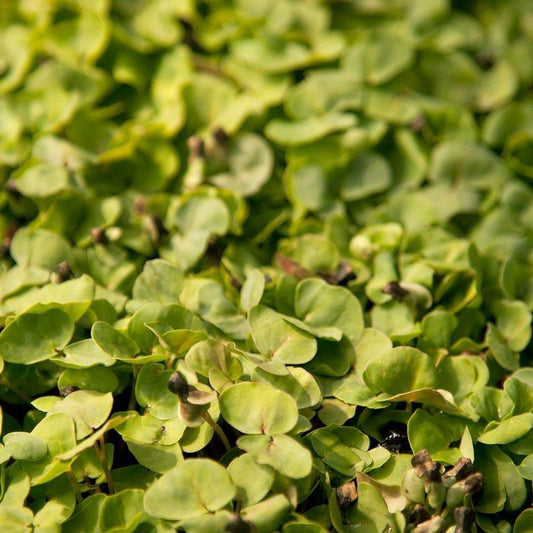
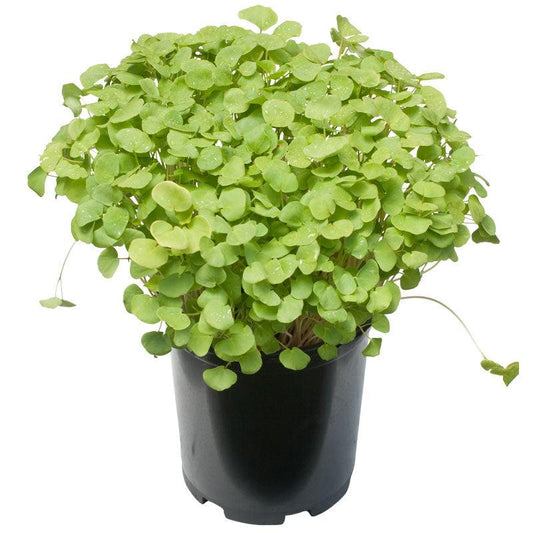
Buckwheat Seed (lb)
Regular price $4.99Sale $4.99Unit price per -


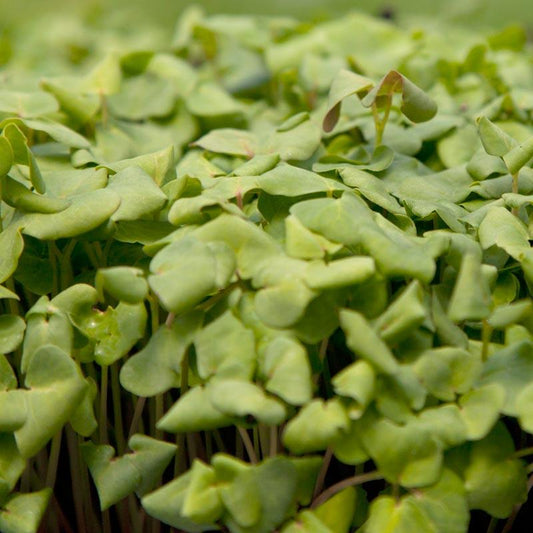
Organic Buckwheat Seed (lb)
Regular price $7.99Sale $7.99Unit price per -

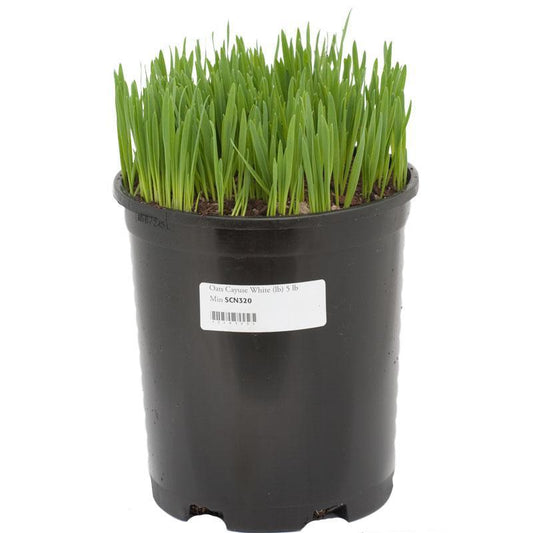
White Oats Seed (lb)
Regular price $4.99Sale $4.99Unit price per -

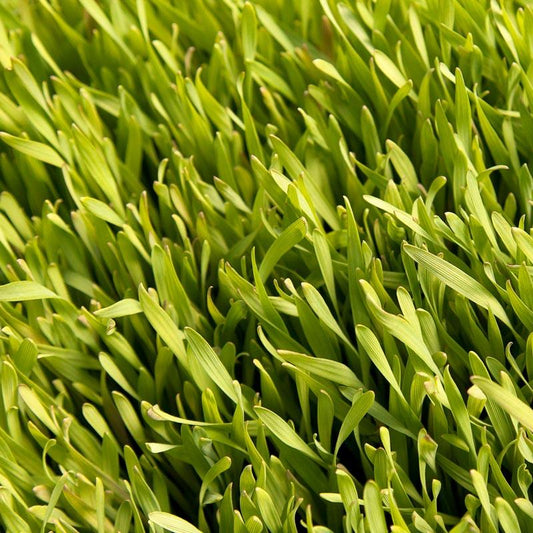
Cereal Rye Seed (Cold Hardy) (lb)
Regular price $4.99Sale $4.99Unit price per -


Wheat Red Winter Seed (lb)
Regular price $4.99Sale $4.99Unit price per -

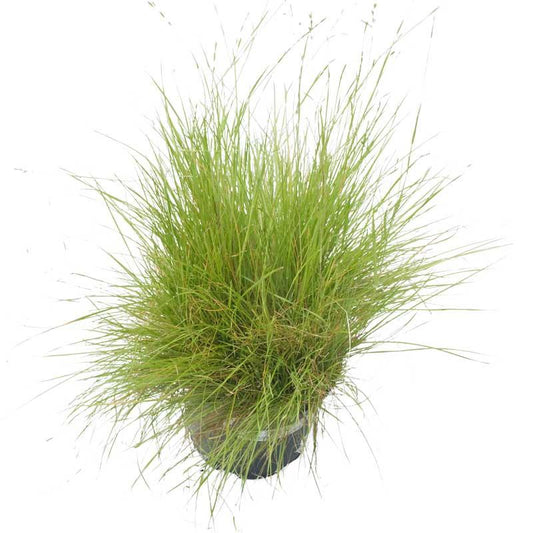
Oregon Annual Ryegrass Seed (lb)
Regular price $4.99Sale $4.99Unit price per -

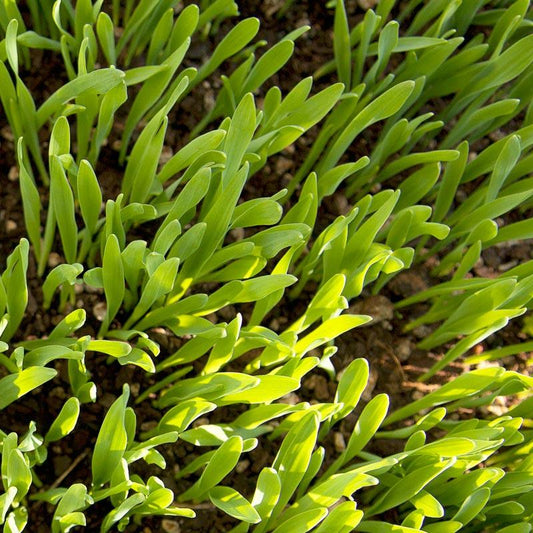
Beardless Barley Seed (lb)
Regular price $4.99Sale $4.99Unit price per -

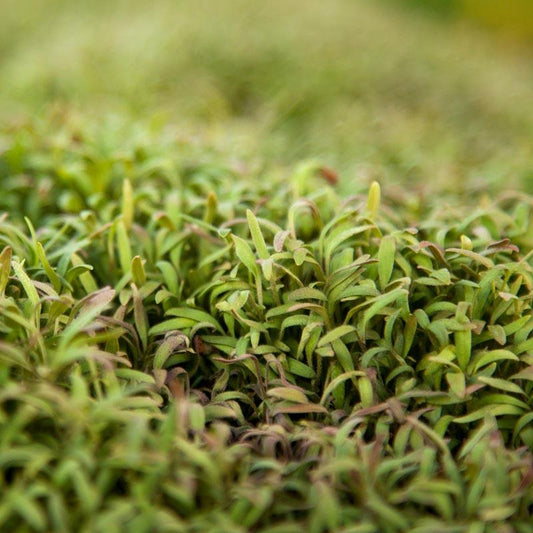
Phacelia Seed (lb)
Regular price $15.99Sale $15.99Unit price per -

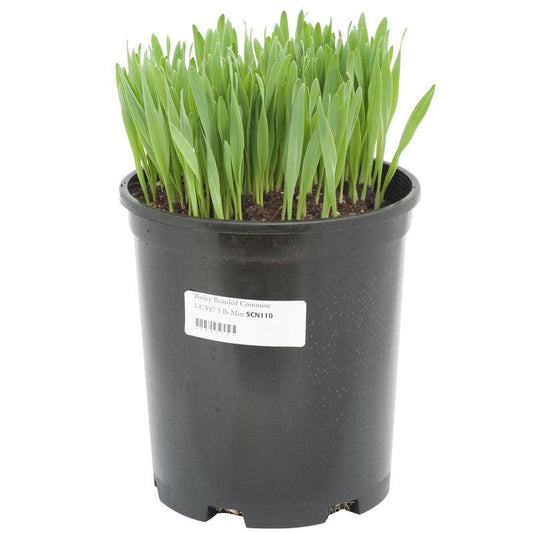
Bearded Barley Seed (lb)
Regular price $4.99Sale $4.99Unit price per -

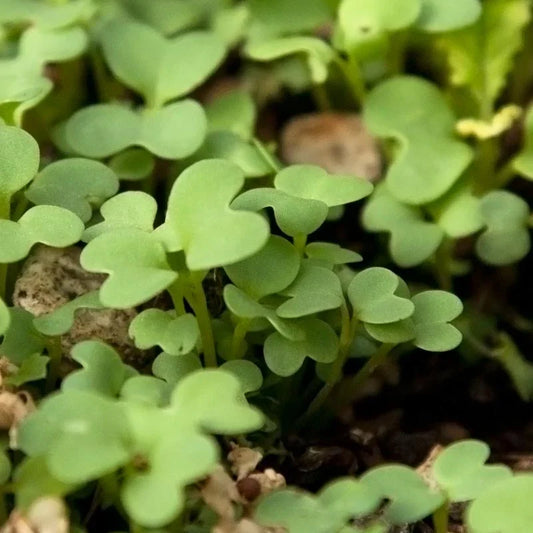
Mustard Seed (lb)
Regular price $4.99Sale $4.99Unit price per -

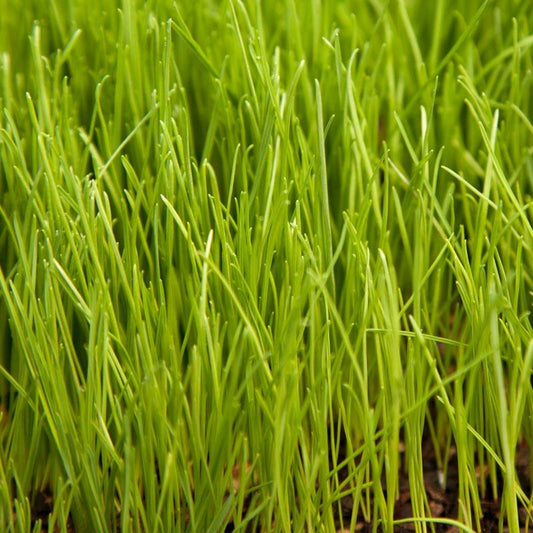
Organic Ryegrass, Oregon Annual (lb)
Regular price $6.99Sale $6.99Unit price per -

Wheat, Beardless (lb)
Regular price $4.99Sale $4.99Unit price per -
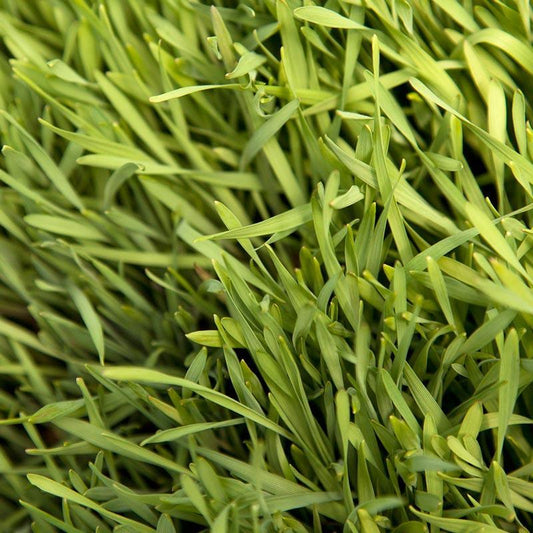
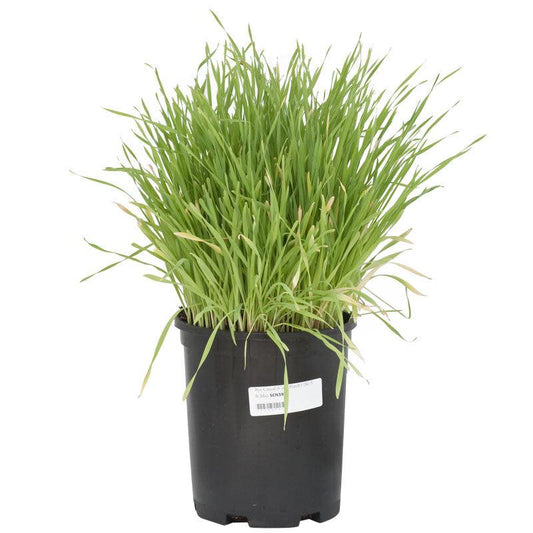
Organic Cereal Rye Seed (Cold Hardy) (lb)
Regular price $4.99Sale $4.99Unit price per -

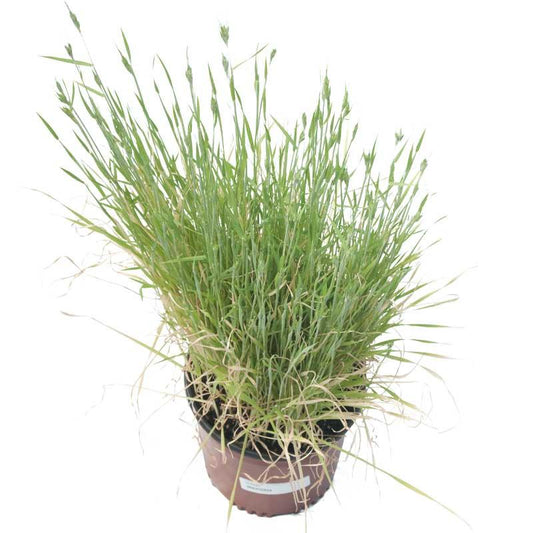
Organic Triticale Seed (lb)
Regular price $4.99Sale $4.99Unit price per -

Organic White Oats Seed (lb)
Regular price $4.99Sale $4.99Unit price per -
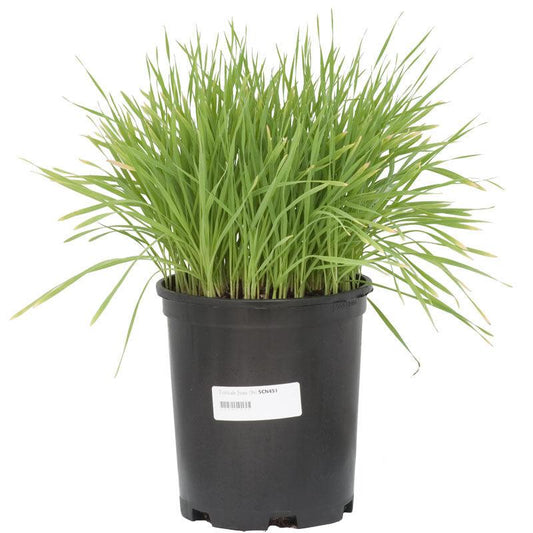
Triticale Seed (lb)
Regular price $4.99Sale $4.99Unit price per -

Raven Black Oats Cover Crop Seed (lb)
Regular price $4.99Sale $4.99Unit price per -

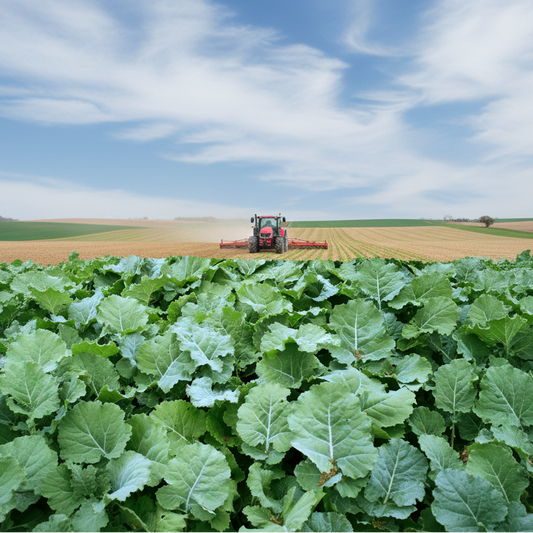
Organic Dwarf Essex Rapeseed (lb)
Regular price $7.99Sale $7.99Unit price per -
-

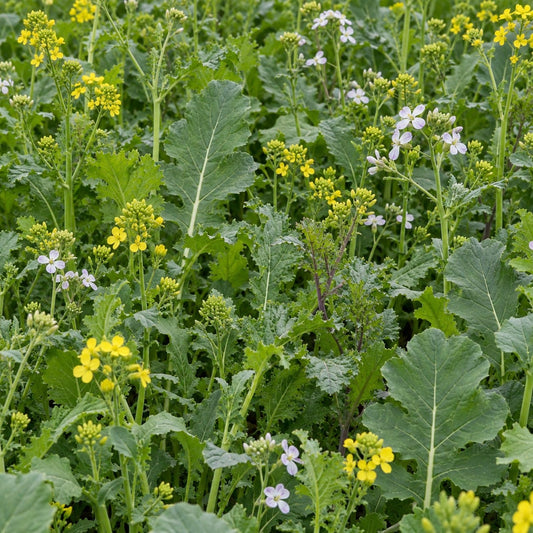
Peaceful Valley Pollinator Brassica Blend (lb)
Regular price $9.99Sale $9.99Unit price per$0.00Regular price -
New

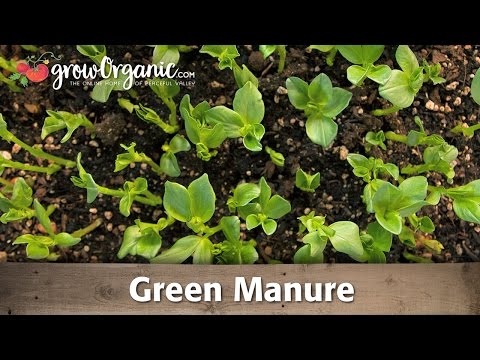
Grain Sorghum / Milo - Raw Seed (lb)
Regular price $11.99Sale $11.99Unit price per -
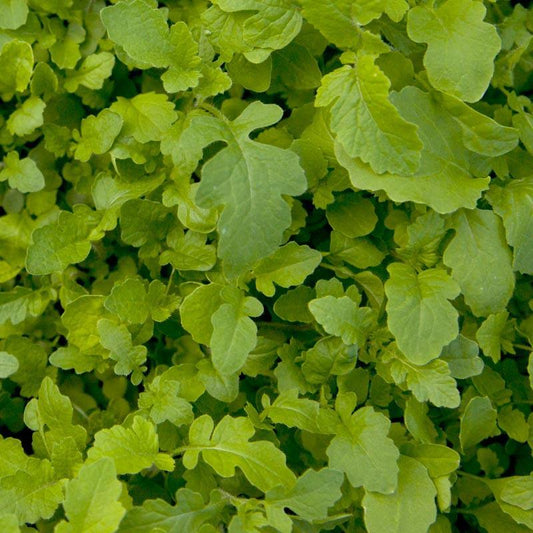
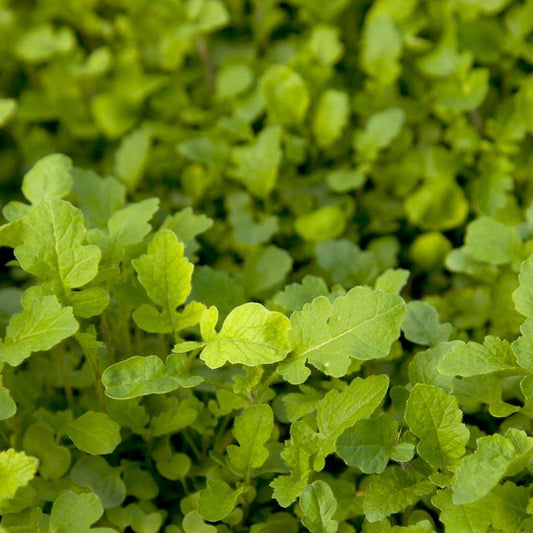 Sold out
Peaceful Valley Mustard Mix - Seed (lb)
Regular price $5.99Sale $5.99Unit price per -

 Sold out
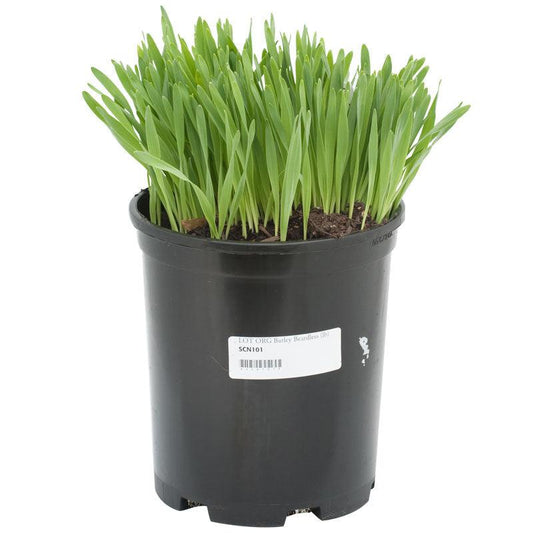
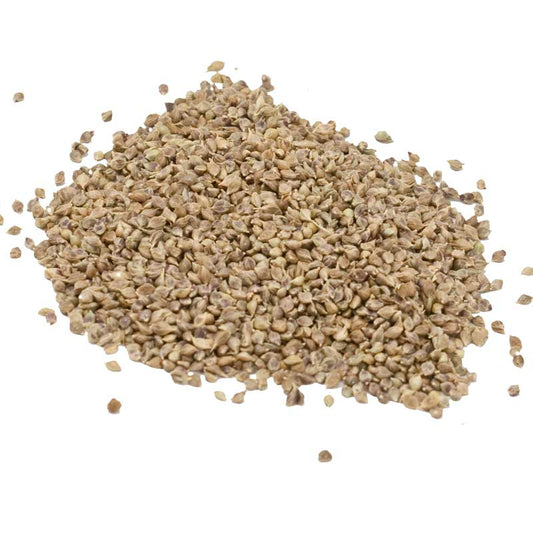
Organic Beardless Barley Seed (lb)
Regular price $4.99Sale $4.99Unit price per -

 Sold out
 -

 Sold out


Collection: Protect, feed, and improve your soil naturally
Non-legume cover crops include grasses, cereal grains, brassicas, and other broadleaf species selected for soil cover, biomass, nutrient capture, rooting, weed competition, erosion protection, or flowering. They do not fix atmospheric nitrogen, but they can complement legumes in rotations and mixes.
Choose by Plant Group
- Grasses and cereal grains: Oats, rye, barley, wheat, triticale, ryegrass, sudangrass, millet, and related crops are often selected for fibrous roots, soil cover, biomass, or forage.
- Brassicas: Radish, mustard, rapeseed, and related species can provide rapid growth and different rooting patterns. Performance varies by species, cultivar, soil, and management.
- Other broadleaf crops: Buckwheat, phacelia, flax, sunflowers, and similar options may provide quick cover, flowering, diversity, or a useful fit in shorter rotations.
Choose by Season
Match the crop to the planting window. Cool-season grains and brassicas may be used for fall or winter cover, while buckwheat, sudangrass, millet, and sunflowers need warmer conditions. Review frost sensitivity, winter hardiness, days to useful growth, irrigation, and the date of the next crop.
Using Non-Legumes with Legumes
A non-legume can be planted alone for a targeted purpose or combined with legume cover crop seed. In a mix, grasses may contribute support and carbon-rich residue while legumes can contribute nitrogen when compatible rhizobia are present. Balance the seeding rate and species proportions so one component does not overwhelm the others.
Plan Termination
Consider mature height, stem thickness, flowering, seed production, residue, and regrowth. Termination may involve mowing, cutting, grazing, rolling, incorporation, frost, or another method appropriate to the crop and system.
Use the Cover Crop Solution Chart to compare species. Shop by fall planting, warm-weather planting, or explore Soil Building Cover Crops.