Exploring Lawn Alternatives: A Comprehensive Guide
Maintaining a lush green lawn has long been a hallmark of traditional landscaping, but many homeowners are now considering alternatives with different water, mowing, establishment, and site requirements. We provide a range of lawn alternatives for varied site conditions and design goals.
Clover Lawns
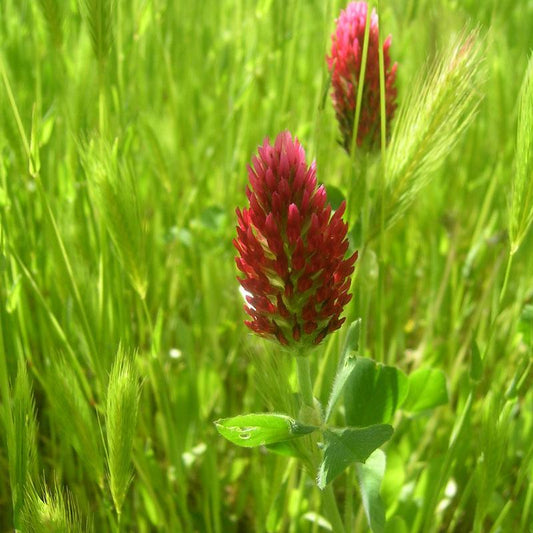
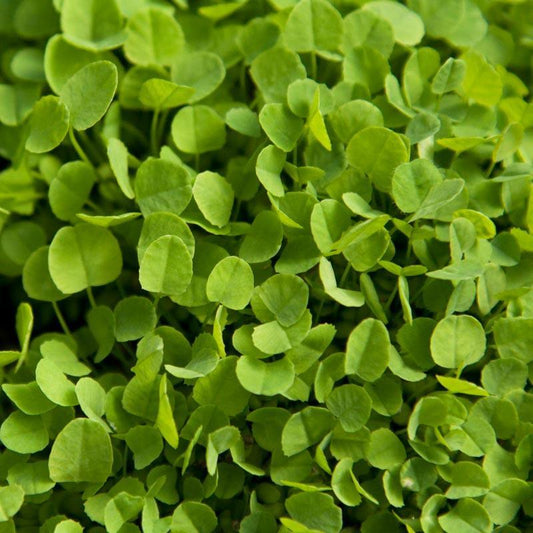
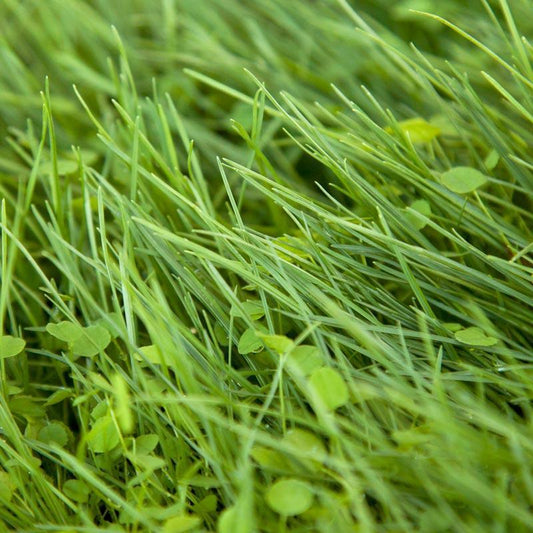
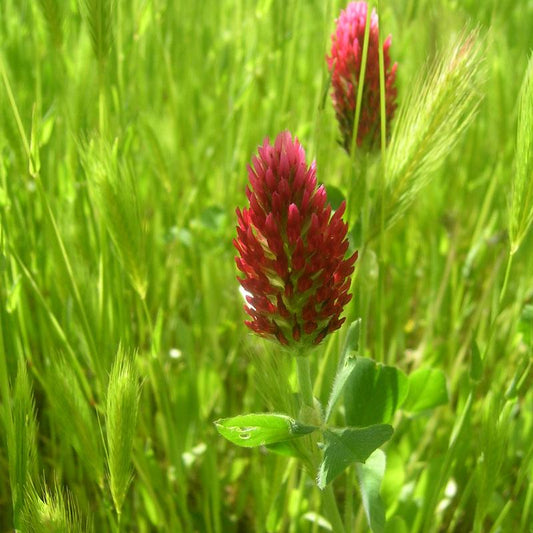
Clover is a legume that can contribute nitrogen when it is effectively inoculated and actively growing. Water, fertilizer, and mowing needs vary with species, climate, soil, irrigation, and the desired appearance. Clover flowers can also provide forage for visiting bees when allowed to bloom.
Low-Growing Ground Covers
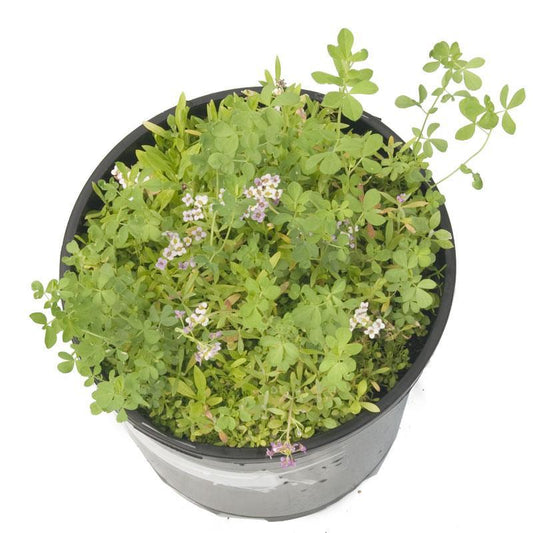
Low-growing ground covers can offer a visually distinct alternative to traditional lawns. Some species may spread densely and compete with weeds after establishment, but site suitability, maintenance, invasiveness, and foot-traffic tolerance vary by plant and region. Check local guidance before planting.
Native Grass Mixes
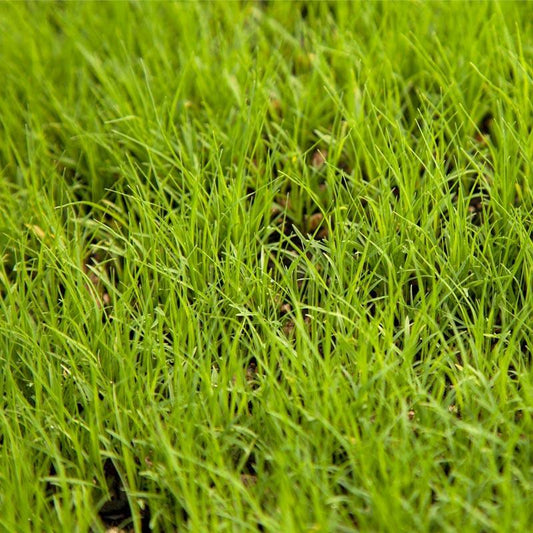
Native grass mixes are assembled for particular regions and uses. A locally appropriate mix may have different water and maintenance needs than conventional turf, and some species can add food or cover for wildlife. Performance depends on species, establishment, soil, climate, irrigation, and mowing practices.
Wildflower Meadows
Wildflower plantings can add seasonal color and may provide floral resources or cover for wildlife, depending on the species and bloom timing. Establishment, weed control, irrigation, mowing, and later-year maintenance vary by mix and site.
Mixed-Species Lawn Seed Mixes
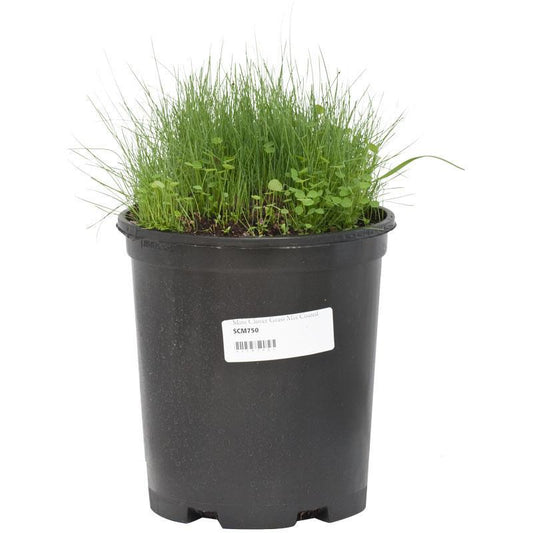
Mixed-species lawn seed blends combine grasses, legumes, and other low-growing plants for particular appearance and management goals. When the species are matched to the site, a mix may alter water, fertilizer, or mowing needs; results depend on climate, soil, establishment, irrigation, and maintenance.
Moss Gardens
Moss gardens provide a distinct alternative to traditional lawns in shaded, consistently moist areas where many turf grasses struggle. Maintenance and foot-traffic tolerance vary by moss species, site preparation, moisture, and use.
Ornamental Grasses
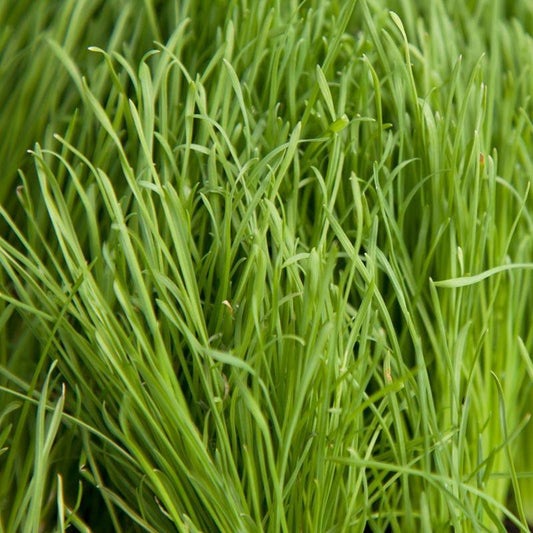
Ornamental grasses can add foliage, texture, and seasonal interest in a variety of landscape designs. Water and care requirements vary by species; some drought-adapted types may need less supplemental irrigation after establishment when matched to the site.
Conclusion
We offer a range of lawn alternatives with different establishment, water, mowing, traffic, and maintenance requirements. Compare clover lawns, low-growing ground covers, native grass mixes, wildflower plantings, mixed-species seed blends, moss gardens, and ornamental grasses against your local climate, soil, intended use, and maintenance plan.
Enjoy our recent blog on the benefits of yarrow.