

Summer pruning removes leaves and shoots while a fruit tree is actively growing. It can support a specific goal—such as managing selected vigorous shoots or improving light—but it is not automatically beneficial for every tree or species.
Start with How to Prune Fruit Trees for cut types and safety. Use this page to decide whether the work belongs in summer.
Good Reasons to Consider Summer Pruning
- Removing selected water sprouts or shoots that directly conflict with the training framework
- Making small corrections while young growth is easy to identify
- Managing light around developing fruit without abruptly exposing it
- Supporting a deliberate size-management system, such as a high-density home orchard
- Addressing a damaged branch when delaying would create a greater hazard
Summer pruning does not guarantee better flavor, yield, airflow, or disease control. The response depends on what is removed, when, and from which tree.
Reasons to Delay or Limit the Work
- The tree is drought-stressed, heat-stressed, recently planted, or otherwise weak.
- Removing foliage would expose previously shaded bark or fruit to intense sun.
- Rain or regional disease pressure makes fresh wounds risky.
- The planned work would remove a large share of the canopy or change major structure.
- The tree has cankers, oozing, decay, borers, or unexplained dieback that should be diagnosed first.
Timing Is a Condition, Not a Calendar Date
“Summer” covers very different conditions across climates. Evaluate active growth, harvest stage, forecast heat or rain, tree water status, and species-specific disease concerns. Local cooperative-extension guidance is especially valuable for cherries, apricots, walnuts, and other trees with regional timing considerations.
Plan a Limited Objective
- Identify the tree and its current framework.
- Mark the few shoots or branches that interfere with that framework.
- Choose thinning or reduction cuts based on the desired response.
- Protect fruiting wood and avoid creating large holes in the canopy.
- Stop and reassess rather than reshaping the whole tree in one session.
The Summer Pruning and Thinning video demonstrates selected cuts and crop-load observations. For a species-oriented decision aid, see Which Fruit Trees May Need Summer Pruning?.
Fruit Thinning Is a Separate Decision
Fruit thinning may reduce limb strain or manage crop load, but its timing and spacing are specific to the fruit type, cultivar, tree strength, and production goal. Do not apply one spacing rule across apples, pears, peaches, plums, or apricots.
Safety and Shopping
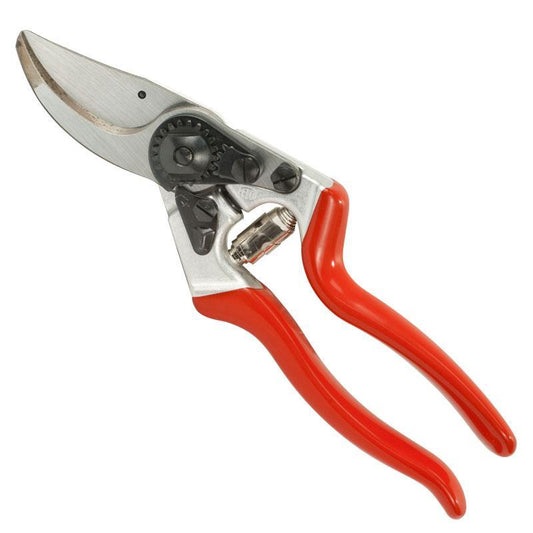
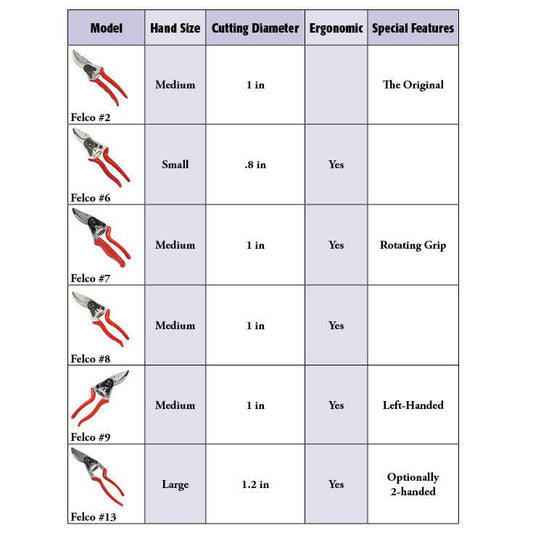
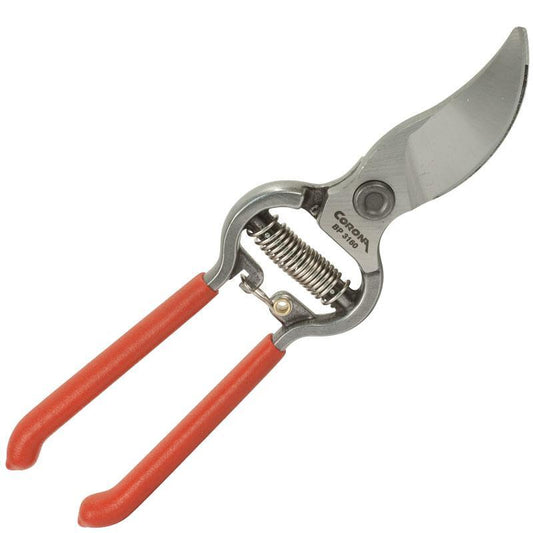
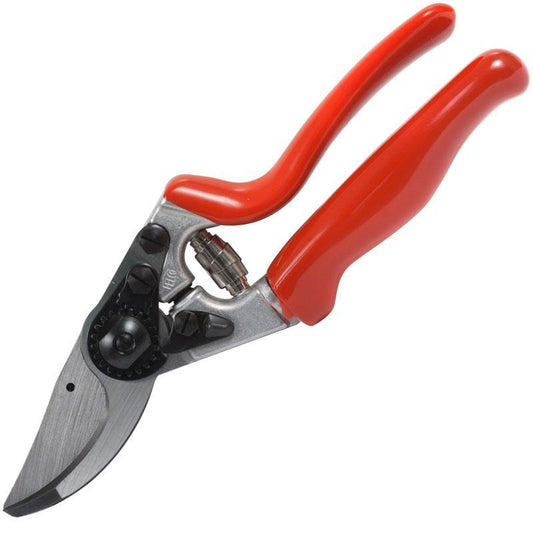
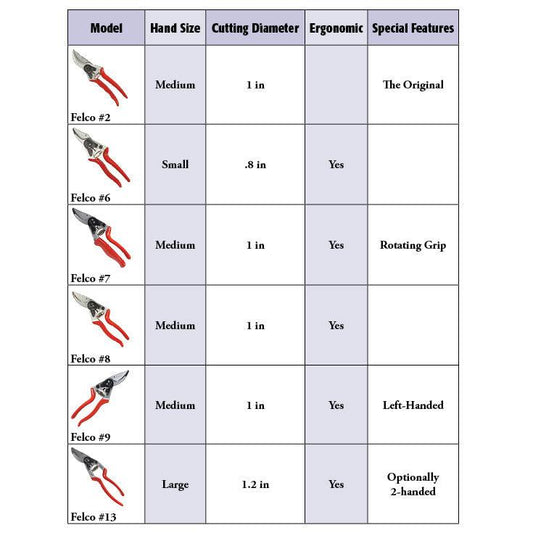
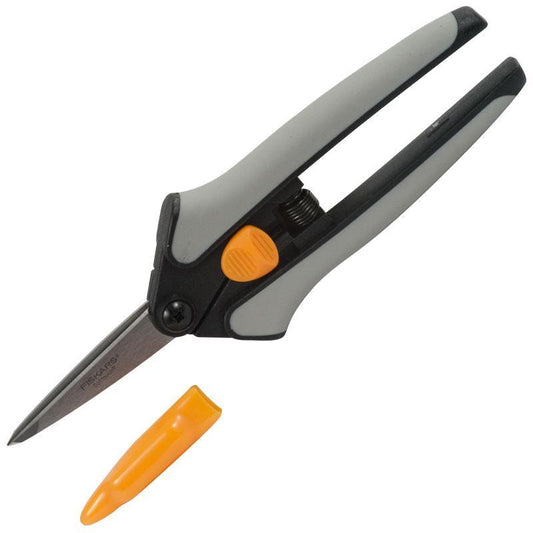
Use sharp tools appropriate to branch diameter and work from stable ground. Leave large, high, decayed, or hazardous limbs to a qualified professional. Browse Pruning & Cutting Tools after determining what the job safely requires.
3 comments
Gregory- I’d check the fruit closely for plum curculio damage- there will be a dot of sap on the “ripening” fruit. This causes the fruit to change color while small and then fall off.
Gregory, you can prune the tall shoots to control the height. The fruit falling could be weather related or not enough water.
My Italian plum tree was coming on strong with plums this year. Noticed lots of new growth on top of tree. Now my plums are ripening pre-maturely and falling to the ground. Could this be related to the new growth> OK to prune growth off now to also control height? Thank you