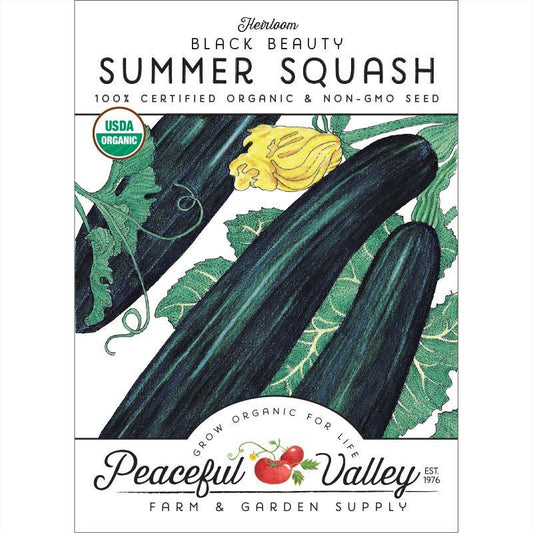
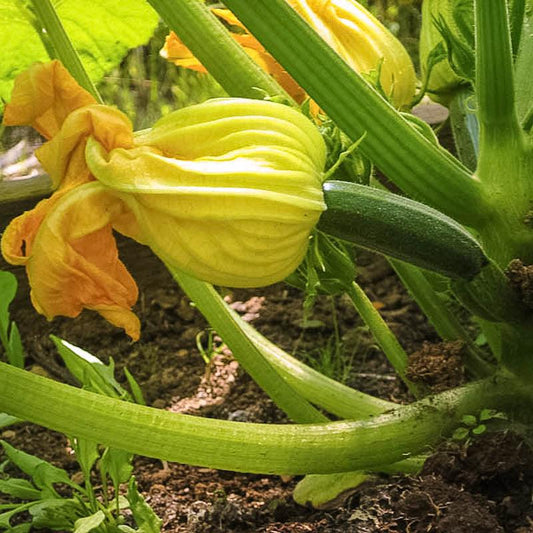
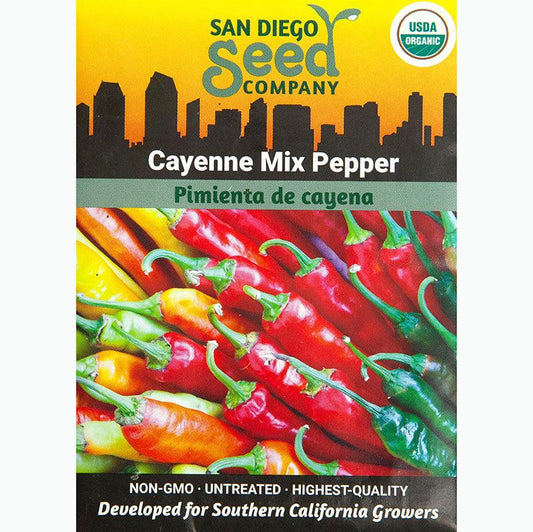
Organic, non-GMO, heirloom, open-pollinated, and hybrid describe different seed attributes. The terms are not interchangeable, and no one label by itself determines how a variety will perform in a particular garden.
1. Organic Is a Certification
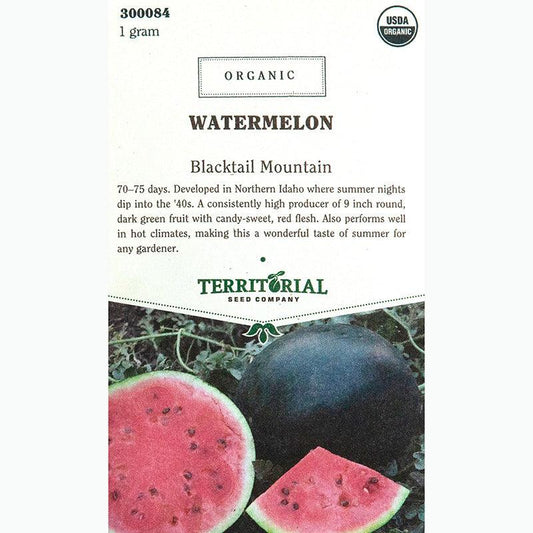
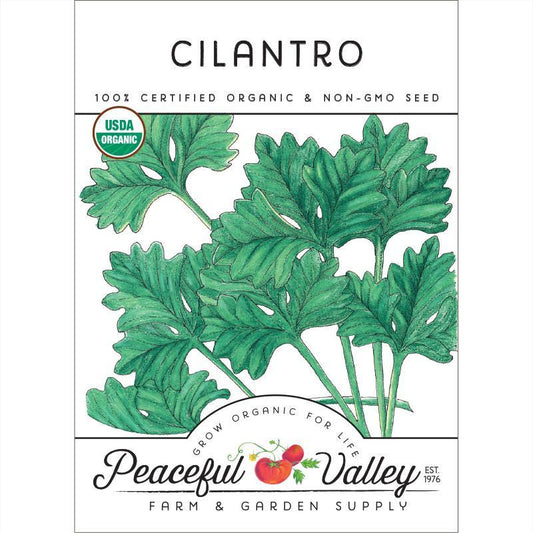
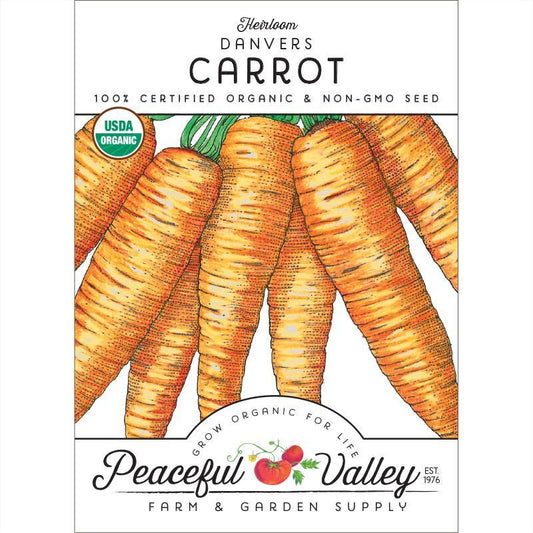
Certified-organic seed is produced and handled under applicable organic standards. Certification applies only when it is stated for the individual product and package. Conventional seed can still be grown with organic gardening methods, but that does not make the seed itself certified organic.
2. Labels Help You Match Your Priorities
Some gardeners choose certified-organic seed to support organic production systems. Others prioritize variety traits, regional adaptation, open-pollinated seed saving, hybrid performance, packet size, or supplier. Compare these factors together rather than treating one label as a guarantee of vigor, yield, or garden success.
3. Product Details Vary
Grow Organic carries seed from multiple suppliers and with different attributes. Not every vegetable, herb, or flower seed is certified organic. Confirm the certification statement, treatment status, botanical name, days to maturity, and sowing guidance on the individual product page and packet.
Organic, Non-GMO, Heirloom, and Hybrid
- Certified organic: A production and handling certification stated on the product.
- Non-GMO: Describes genetic-engineering status; it is not an organic certification.
- Open-pollinated and heirloom: Describe breeding and seed-saving characteristics.
- Hybrid: Describes a cross between parent lines. Hybrid seed can be conventional or certified organic.
Browse Organic and Non-GMO Seed Options, then confirm the attributes on each product listing.