Introduction
For step-by-step planting, seasonal care, and harvest advice, use How to Grow Horseradish. This page also provides the downloadable growing guide below.
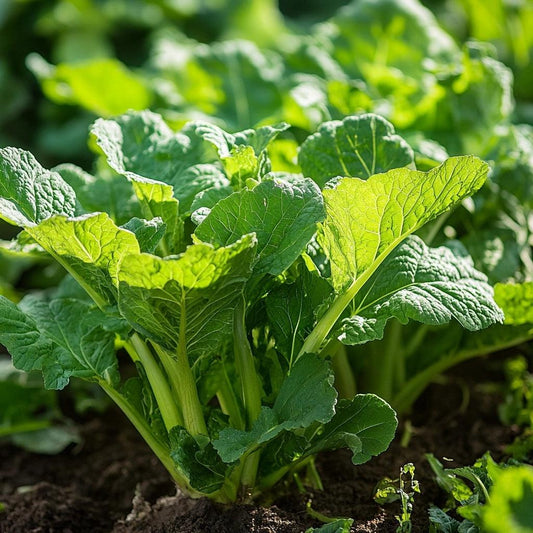
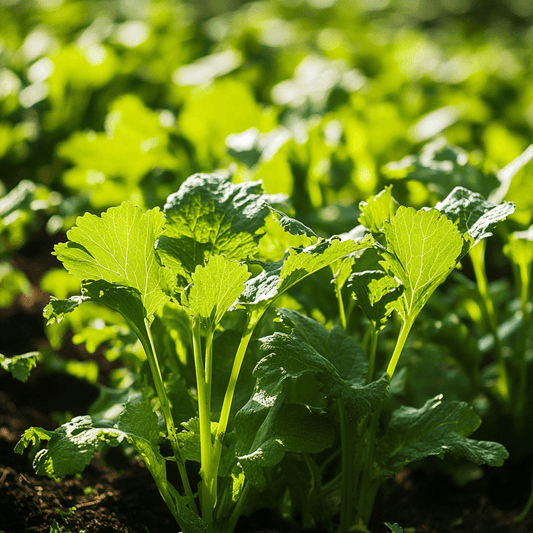
Horseradish is a flavorful and easy-to-grow perennial vegetable that’s perfect for adding spice to your dishes. With our guide, you’ll learn the steps to successfully plant, grow, and harvest horseradish.
Download our complete Horseradish Growing Guide for detailed instructions.
Why Grow Horseradish?
Horseradish is easy to cultivate and highly productive, making it a great addition to any home garden. Its roots can be harvested and used fresh or preserved, adding a distinctive spicy kick to sauces and condiments.
Planting Tips
- Plant horseradish roots (crowns) in early spring or late fall.
- Choose a sunny location with well-drained soil that’s rich in organic matter.
- Plant the roots at a 45-degree angle with the upper end of the root cutting covered by 2–3 inches of soil.
- Space plants about 18-24 inches apart to allow for growth.
Care and Maintenance
Horseradish thrives with consistent watering and occasional fertilization. Mulch around the plants to retain moisture and suppress weeds. Remove flower stalks if seed production is not wanted; this does not guarantee a particular root flavor.
Harvesting
Harvest horseradish in late fall or early winter, after a few frosts have enhanced its flavor. Use a garden fork to carefully lift the roots from the soil. Any remaining roots will regrow the following year.
Enjoy the robust flavor of homegrown horseradish and grow organic for life!
Conclusion
Horseradish is a rewarding perennial vegetable that adds bold, spicy flavor to homemade sauces, condiments, and other dishes. With proper planting, consistent watering, and simple maintenance, you can enjoy a productive harvest year after year. Choose a sunny location with well-drained soil, give plants enough room to grow, and harvest roots in late fall or early winter. Download the Horseradish Growing Guide for additional planting and care instructions, and enjoy the benefits of growing this flavorful crop in your own garden.