Cover crops protect bare soil and help prepare garden beds for the next crop. This video introduces green manure and demonstrates how cover crops can contribute organic matter and, when properly inoculated and managed, support nitrogen fixation.
What cover crops can do in a garden
- Protect soil: Living cover reduces exposure to wind, rain, and surface erosion.
- Add organic matter: Roots and plant residue contribute carbon as they decompose.
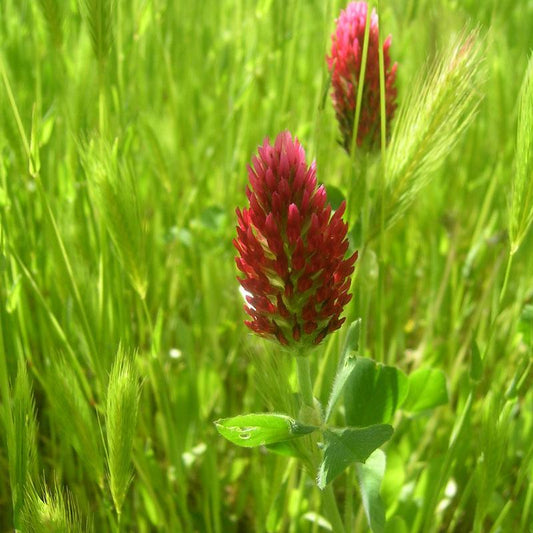
- Support nitrogen management: Legumes such as clover, vetch, peas, and fava beans can fix nitrogen through an effective relationship with the correct Rhizobium bacteria.
- Compete with weeds: A dense, well-established stand can reduce the light and space available to weeds.
- Build different root structures: Grasses, legumes, and broadleaf crops contribute different rooting habits and residues.
Choose seed for the season and your goal
Warm-season crops such as buckwheat, cowpeas, and sorghum-sudangrass are used when soils are warm and there is enough growing time before the next crop. Cool-season choices include cereal grains, clovers, vetches, peas, and mixtures selected for local winter conditions.
Use the Cover Crop Solution Chart to compare choices by season and soil objective, or read How to Grow Cover Crops for complete planting and management guidance.
Check inoculation before planting legumes
Review the product page before planting a legume. Some seed is already inoculated or Nitrocoated; raw seed may need the appropriate seed inoculant. Different legumes can require different Rhizobium groups, so the inoculant should be matched to the seed rather than applied as a universal treatment.
Plan termination before sowing
Choose a termination method and date before planting. Mowing, cutting, crimping, tilling, winterkill, and surface-mulch systems do not work equally for every species or growth stage. For practical timing and methods, see Turning Cover Crops into Green Manure.
Ready to select seed? Browse All Cover Crop Seeds, Warm Weather Cover Crops, or Fall Planted Cover Crops.
Check Legume Inoculation Before Planting
When the plan includes a legume, confirm whether the seed is raw, coated, or Nitrocoated and whether it needs compatible rhizobia. Compare seed inoculants, then return to Cover Crop Seeds for planting-rate and management details.
Planting a legume? If the seed is raw rather than pre-inoculated or Nitrocoated, use the Legume Inoculant Compatibility Chart to match clover, vetch, peas, beans, and other legumes with a compatible rhizobia group before planting.