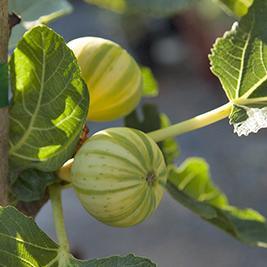
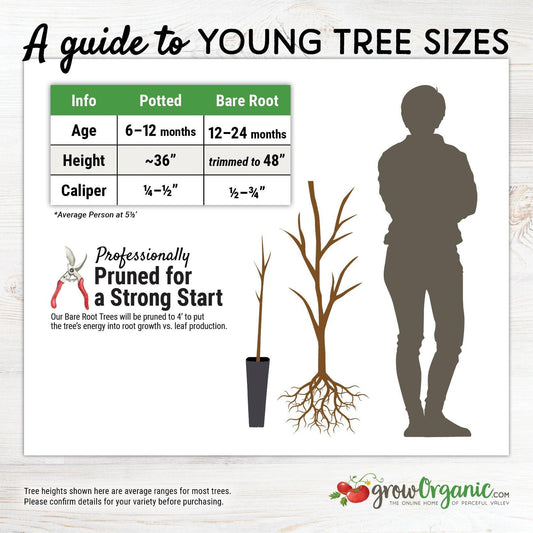
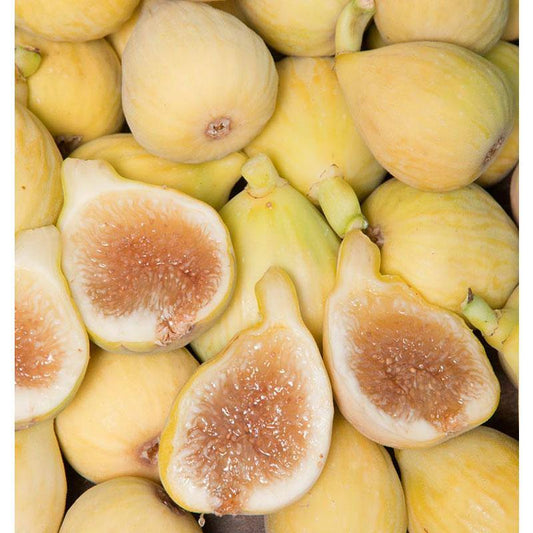
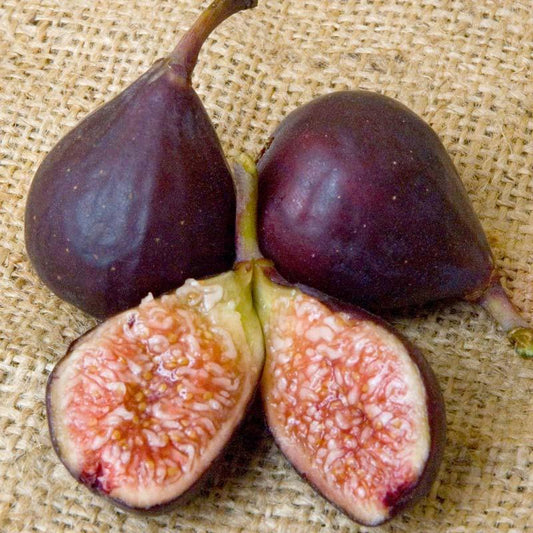
In this video, Tricia shares her tips on planting a potted fig tree.
How to Plant and Care for a Fig Tree: A Step-by-Step Guide
Fig trees are beautiful and productive additions to any garden. Whether you're starting a backyard orchard or adding a single tree, these tips will guide you in planting and caring for a fig tree to ensure a healthy and bountiful harvest.
If you’d like to expand your fig collection in the future, you can also reproduce trees from existing plants. This guide on how to propagate fig trees using air layering or cuttings explains simple methods for creating new trees at home.
Site Selection
Choosing the right location is crucial for your fig tree's success. Look for a sunny spot with good air circulation and proper drainage. Test the drainage by filling the planting hole with water and letting it drain twice. If your soil has poor drainage, planting in a raised bed is a good alternative.
Proper sunlight and soil conditions also influence fruit production. If your tree grows well but fails to produce fruit, this guide on why a fig tree may not produce fruit explains common causes and solutions.
Preparing the Planting Hole
Dig a hole twice as wide as the tree’s root system. For clay soil, rough up the sides of the hole to encourage proper root development. Avoid adding fertilizer during planting, as figs don’t require it initially.
Planting the Fig Tree
- Gently remove the fig tree from its container or sleeve. Massage the root ball and trim any dry or dead roots.
- Place the tree in the prepared hole and backfill with unamended soil.
- Lightly compact the soil and create a small mound around the base to prevent crown rot.
As your tree matures, light structural pruning can help maintain healthy growth and improve fruit production. This beginner-friendly guide on how to prune a fig tree step by step includes simple diagrams to make pruning easier.
Watering and Mulching
New fig trees need regular watering to establish strong roots. Use an adjustable dripper, such as a shrubbler, to deliver six to eight gallons of water every few days. Apply 3–6 inches of compost mulch to retain moisture, suppress weeds, and improve soil health. Keep mulch away from the trunk, and top with straw or bark for additional protection.
If you notice yellowing leaves, curling, or brown spots while caring for your tree, this guide on common fig leaf problems and what they mean can help diagnose and resolve potential issues.
Protecting the Trunk
In hot climates, protect young fig trees from sunscald by using a spiral tree guard around the trunk.
With proper care and attention, fig trees can thrive and produce delicious fruit for years to come. Whether you're planting figs or expanding a backyard orchard, these tips will set you up for success.
If you’re working with limited space, figs can also thrive in containers. This guide on growing figs in containers for maximum yield explains pot size, soil choices, and long-term care.
Gardeners in colder climates may need to bring container trees indoors during winter. This guide on indoor fig tree care and maintenance offers helpful tips for keeping figs healthy indoors.
For more information, see our article on Do Deer Eat Fig Trees? Discover the Best Deer Resistant Fruit Trees for Your Garden. Grow Organic for Life!
FAQs About Planting and Caring for Fig Trees
What is the best location to plant a fig tree?
How often should a newly planted fig tree be watered?
Should fertilizer be added when planting a fig tree?
Why is mulching important for fig trees?
Can fig trees be grown in containers?
Potted Fig Tree Resource Center
Planting & Care Guides
-
Guide to Planting of and Care for Fig Trees
Comprehensive guidance on planting techniques, soil preparation, watering routines, and general maintenance for healthy fig trees. -
Figs Growing Guide
A detailed handbook for successful fig cultivation, from site selection to harvest. -
How to Grow Figs: A Growing Guide
Step-by-step instructions for cultivating figs—from selecting the right variety to water management and harvesting tips.
Shop Fig Trees
-
Fig Trees (Available for purchase)
Explore a curated selection of fig trees, ready for planting—perfect for both garden and pots.