Understanding Carrot Germination Time: Early Carrot Sprouts and the Truth About Delayed Growth
If you have ever planted carrots and stared at bare soil for weeks, you are not alone. Carrot germination time is one of the biggest challenges in vegetable gardening, especially for beginners. Unlike fast crops, carrots test patience. Understanding why carrot seed germination is slow, what early carrot sprouts look like, and how to improve conditions makes a big difference between success and frustration.
This guide focuses on what really controls carrot germination, the most common problems gardeners face, and practical ways to help seeds sprout reliably.

How Long Do Carrots Take to Germinate?
A common question is how long do carrots take to germinate. Under good conditions, carrot seed germination time usually falls between 10 and 21 days. That wide window is normal. Depending on soil temperature, moisture, and seed quality, some gardeners see sprouts in 8 days, while others wait closer to three weeks.
You may see the same question asked many ways: how long does it take for carrots to germinate, how long do carrot seeds take to germinate, how long does it take carrots to germinate, or how long for carrot seeds to germinate. All point to the same truth. Carrots are slow and uneven at the start.
This slow carrot germination period does not mean failure. It means the conditions need to stay right for longer than most crops.
Why Carrot Germination Is Often Delayed
Carrot seeds are tiny and planted close to the soil surface. Because of this, they dry out easily. Even a single dry day during seed germination can stop carrot seed germination altogether.
Soil temperature also matters. The ideal carrot germination temperature is between 55°F and 75°F. In early spring, soil temperature often swings widely, slowing how long does it take for carrot seeds to germinate. Cool nights can stretch germination to the longer end of the range.
Another factor is soil structure. Heavy or crusted soil blocks emerging seedlings. Carrots need loose soil so shoots can push through easily.

What Early Carrot Sprouts Look Like
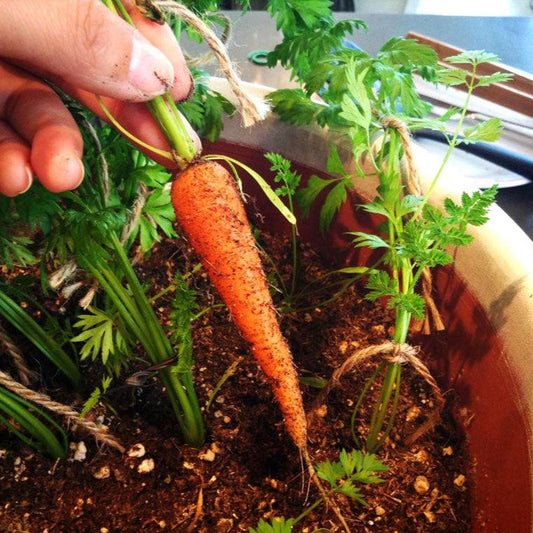
Early carrot sprouts are thin, grasslike threads. A carrot seedling does not look like a carrot at first. It looks fragile and easy to miss. This is why gardeners are encouraged to mark the row when planting seeds.
Carrot germination happens unevenly. You may see early carrot sprouts appear, then nothing for several more days. That does not mean later seeds failed. It is normal for carrots to sprout in waves days after planting.
Preparing the Soil for Better Germination
Soil preparation is one of the most important steps to grow carrots successfully. A carrot bed should have loose soil free of rocks and clumps. Working in organic matter improves drained soil and helps it hold moisture without becoming soggy.
Moist soil should feel like a wrung out sponge. Too wet and seeds rot. Too dry and carrot seed germination stalls.
If space is limited, this guide on growing carrots in small spaces shows how soil preparation matters even more in containers.
How to Germinate Carrot Seeds Successfully
Gardeners often ask how to germinate carrot seeds or how to germinate carrot seeds fast. While you cannot force seeds to sprout instantly, you can remove the most common barriers.
When planting seeds, sow them shallowly and gently cover the seeds with fine soil. Do not bury them deeply. Firm the soil lightly so seeds stay in contact with moisture.
One reliable technique is to cover the seeds with a board, burlap, or row cover for the first 5 to 7 days. This keeps the soil surface evenly moist. Remove the cover as soon as you see sprouts so seedlings can get light.
This simple step often shortens how long for carrots to germinate, especially in windy or sunny conditions.

Common Problems and How to Fix Them
Dry Soil
Dry soil is the top reason carrot seeds fail. During the carrot germination period, the soil surface must stay moist every day. Light watering once or twice daily may be necessary until seedlings appear.
Cold Soil
If soil temperature stays below 50°F, how long does it take carrot seeds to germinate increases dramatically. Waiting a little longer to plant can lead to faster results overall.
Old or Poor Seed
Fresh seed improves success. Different carrot varieties germinate at similar speeds, but old seed struggles regardless of care. Reliable carrot seeds are key, especially for beginners.
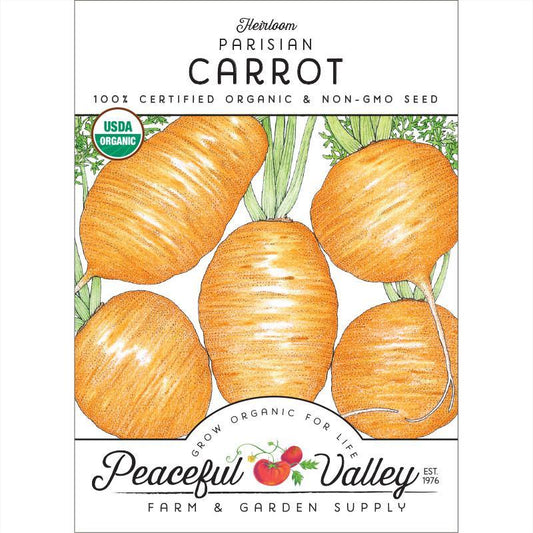
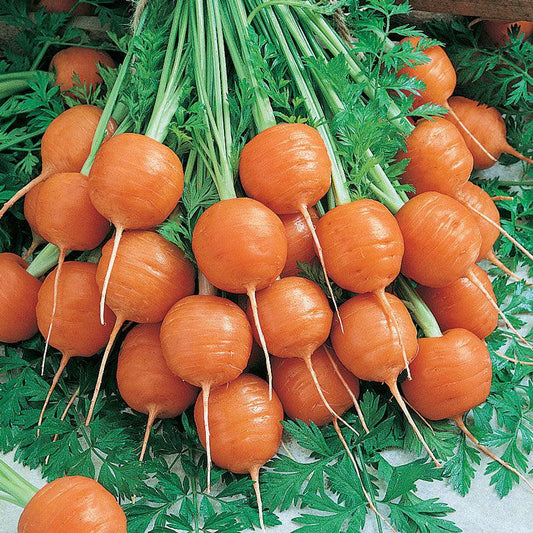
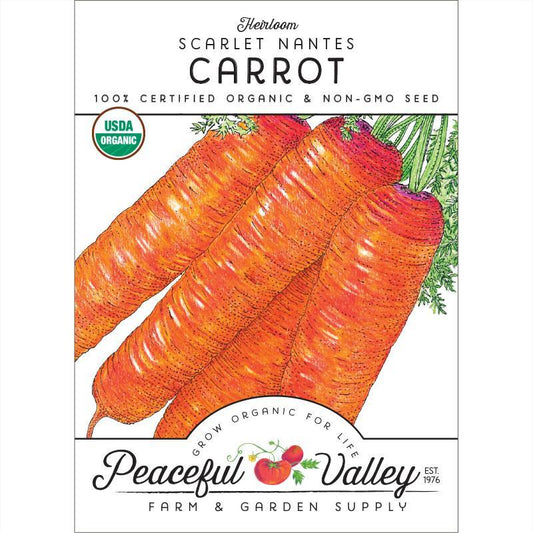
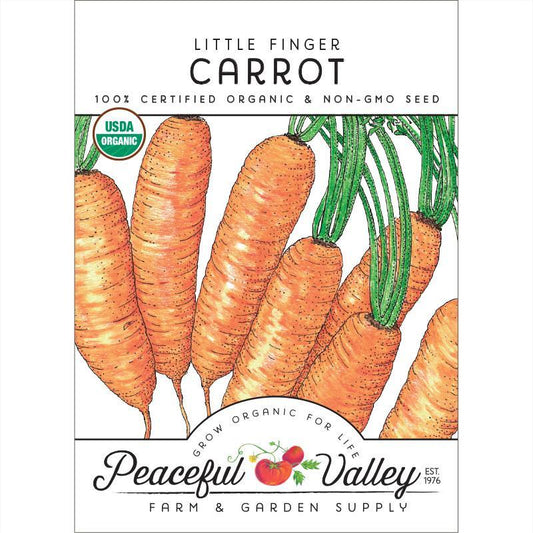
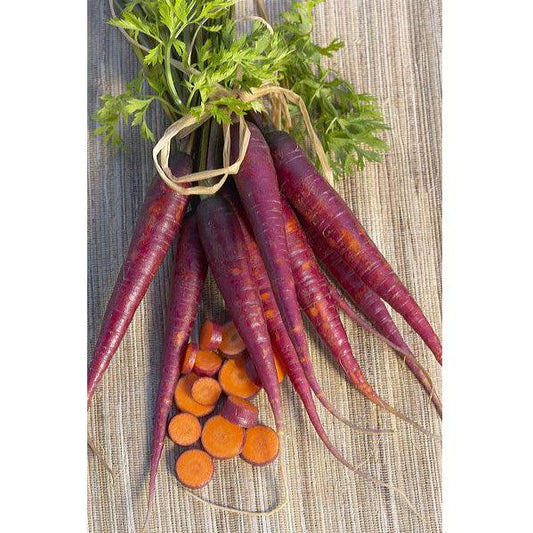
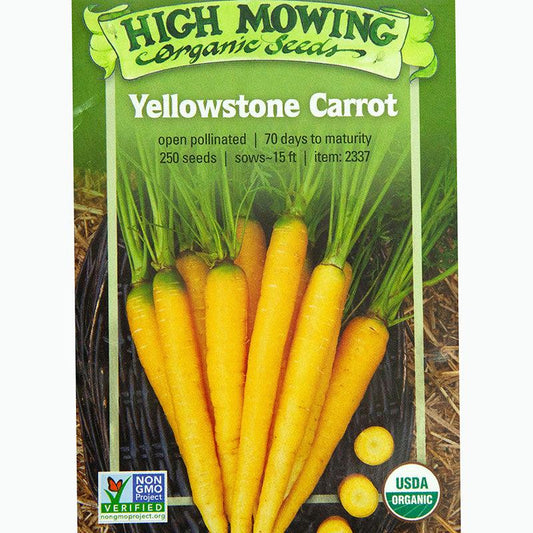
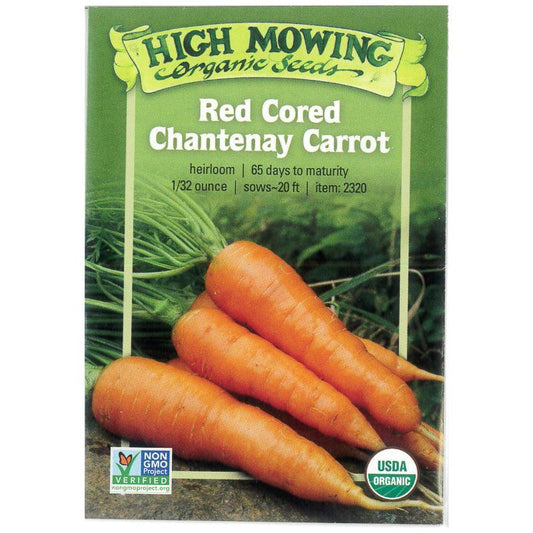
You can find a wide range of carrot varieties, including Parisian, Scarlet Nantes, Danvers, Cosmic Purple, Yellowstone, and colorful blends, in the carrot seeds collection.
After Germination: What Happens Next
Once carrot seedlings appear, growth above ground remains slow. Most early energy goes into forming carrot roots below the surface. This often makes gardeners worry that plants stopped growing, when in fact they are developing underground.
Thinning is important once seedlings are established. Crowded carrots compete for space and moisture. Thinning also helps roots develop evenly.

Germination Timing and Harvest Planning
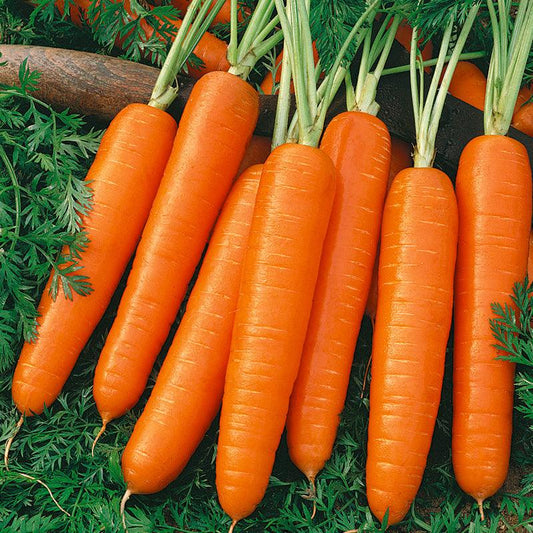
Understanding carrot germination time helps with planning harvesting carrots later. From planting seeds to harvest, most carrots take 60 to 80 days, depending on variety and conditions.
Early sowings produce baby carrots. Later harvests give full size roots. Germination delays rarely reduce yield if plants grow well after emergence.
Variety Differences and Germination
Different carrot varieties share similar germination needs, but growth habits vary. Short carrots like Parisian mature faster after sprouting. Long carrots need deeper loose soil and more time.
If you enjoy variety, this article on uncommon carrot varieties explores shapes and colors that add interest without changing basic germination rules.
Conclusion
Carrot germination is slow by nature, not by mistake. Carrot germination time feels long because seeds need steady moisture, proper soil temperature, and patience. Early carrot sprouts may appear quickly, but full emergence often takes weeks.
By preparing loose soil, keeping the soil surface moist, covering seeds during planting, and using fresh seed, gardeners can greatly improve success. Once established, carrots reward that patience with reliable harvests, excellent flavor, and crisp, fresh carrots straight from the garden.
For gardeners who want a visual guide from seed to harvest, the growing carrots video series is a helpful next step. And once your carrots are ready, enjoy them fresh or in simple dishes like this warming carrot ginger soup.