
How Long Do Carrots Take to Grow? A Week-by-Week Guide to Carrot Growth Stages
Carrots are a classic garden crop, but they grow on their own schedule. Much of carrot growth happens underground, which makes it easy to feel unsure about progress. For beginner and intermediate gardeners, understanding carrot growth stages week by week helps reduce guesswork, prevent common mistakes, and improve harvest timing.
This guide breaks down carrot growing stages by week, explains what is happening below the soil surface, and highlights issues to watch for during each phase of the growing season.

How Long Do Carrots Take to Grow?
So how long do carrots take to grow? Most carrots need 60 to 80 days from planting seeds to harvest. Some are ready sooner as baby carrots, while others take longer. How long does it take a carrot to grow depends on soil, weather, and carrot varieties.
You may hear the question phrased many ways: how long does it take for carrots to grow, how long does it take carrots to grow, how long for carrots to grow, or time to grow carrots. All are valid. The short answer is that carrots grow slowly at first, then size up later.
Weeks 1–3: Planting and Carrot Seed Germination
What’s Happening Underground
Carrot growth begins with carrot seed germination. Seeds are planted shallow, usually about a quarter inch to an inch deep, in loose soil. During early spring, cool soil temperature often slows germination.
Carrot seed germination typically takes 10 to 21 days. During this time, nothing may be visible above the soil surface. This stage tests patience more than any other.
Common Issues in Weeks 1–3
- Soil surface drying out stops seed germination
- Heavy soil crusting prevents seedlings from emerging
- Forgetting where rows were planted
Consistent soil moisture is critical. Light watering once or twice daily may be needed. Many gardeners mark the row to avoid disturbing seeds while waiting.

Weeks 3–5: Seedlings and Early Carrot Plants
Once seedlings appear, carrot plants look like thin grass blades. These early carrots growing stages can be easy to miss or accidentally pull.
Above ground growth is slow. Below ground, the carrot root is beginning to establish its downward path.
What to Watch For
- Crowded seedlings that will compete later
- Uneven watering that stresses young plants
Thinning is essential at this stage. Leaving seedlings too close together limits root size later.
Weeks 5–7: Root Development Begins
This stage marks a major shift in carrot growth. While carrot tops may still look small, carrot roots are actively forming and thickening underground.
Soil conditions matter greatly now. Loose soil allows straight roots. Compacted soil leads to forked or misshapen carrots.
Common Problems in Weeks 5–7
- Forked carrots caused by rocks or hard soil
- Slow growth from poor soil moisture control
- Weak tops from overcrowding
This is a key phase in the stages of carrot growth where early mistakes show up later.

Weeks 7–10: Rapid Growth and Sizing Up
This is the most active part of the growth stages of carrots. Roots gain most of their size now. Carrots grow fastest during cool days with moderate soil moisture.
Carrot tops become several inches tall, but height does not equal root size. Checking shoulder width by gently brushing soil away is more reliable.
Harvesting Baby Carrots
Some gardeners begin harvesting carrots during this window. Baby carrots are simply carrots harvested early. Pulling a few now also gives remaining carrots more room to grow.
Weeks 10–12: Maturity and Harvest Window
When Are Carrots Ready?
So how long does it take for a carrot to grow to full size? For most varieties, this happens between weeks 10 and 12. Roots are usually ready when the shoulder is about half an inch to one inch wide, depending on the variety.
This is when harvesting carrots becomes flexible. You can harvest all at once or selectively over several weeks.
Cool weather extends this window. In many climates, carrots can stay in the ground longer without losing quality.
How Carrot Varieties Affect Growth Time
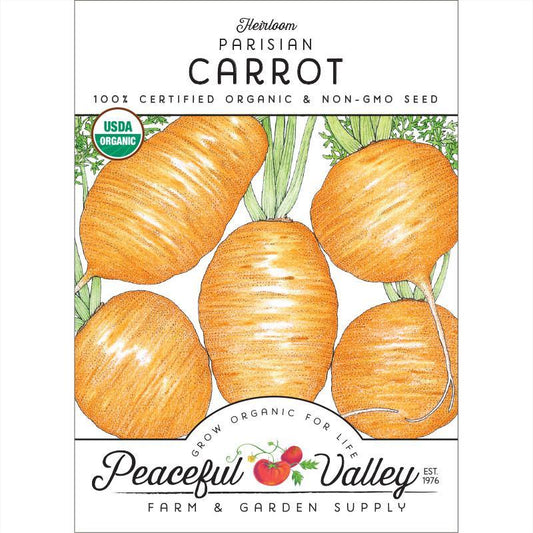
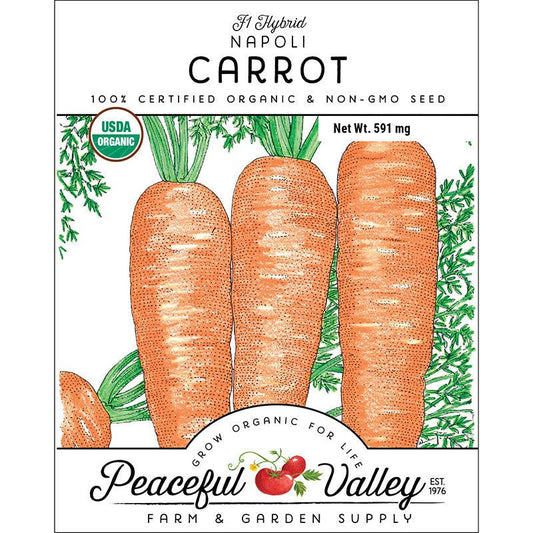
Carrot growth time will always depend on the variety. Short carrots like Parisian mature quickly. Longer carrots like Danvers or Napoli need deeper soil and more time.
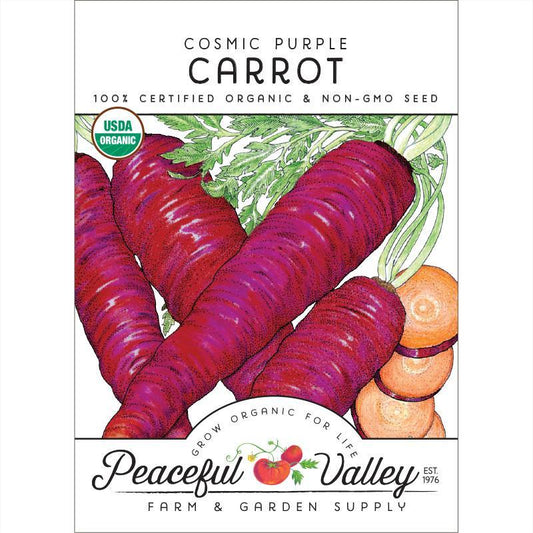
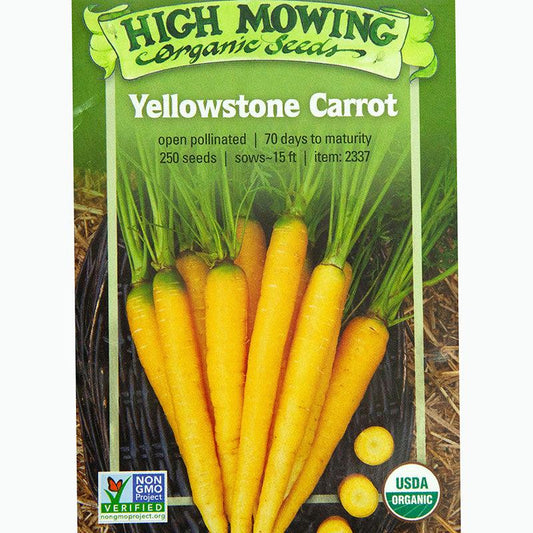
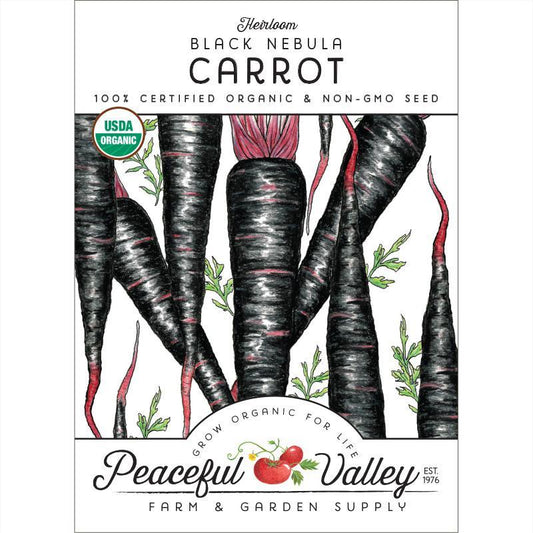
Colorful carrots such as Cosmic Purple, Dragon, Yellowstone, and Black Nebula follow the same carrot stages of growth, but final size and maturity timing vary slightly.
You can explore many options in the carrot seeds collection, which includes classic orange carrots and multi colored blends.

Soil, Temperature, and Water Across the Growing Season
Carrots grow best in cool conditions, which is why early spring planting works well. Ideal soil temperature for steady growth is 60°F to 70°F.
Soil moisture should stay even throughout the growing season. Dry spells cause stress. Too much water leads to splitting and disease.
Raised beds help maintain loose soil and drainage, which benefits root vegetables like carrots. Improving soil before planting also improves flavor and storage quality, as explained in this guide on enhancing carrot flavor through soil amendments and growing conditions.
Pests and Diseases to Watch For at Each Stage
Pests and diseases can interrupt carrot growing stages at any point. Carrot rust fly damages roots. Aphids and leaf diseases weaken carrot tops, slowing root growth.
Good spacing, clean beds, and crop rotation reduce risk. Early detection matters, since healthy foliage supports healthy roots. This article on natural pest control for carrots explains prevention strategies suitable for home gardens.
Growing Carrots in Different Spaces
Carrots grow well in garden beds, raised beds, and containers. Raised beds improve drainage and root shape. Containers require careful watering and enough depth.
If space is limited, this guide on growing carrots in small spaces offers practical advice.
Conclusion
So how long does it take to grow carrots? From planting seeds to harvest, most carrots need two to three months, depending on the variety and the length of the carrot growing season. Carrot growth stages unfold quietly underground, which makes patience essential.
By understanding carrot growing stages week by week and knowing what issues to watch for during the carrot growing season, gardeners gain confidence and enjoy better harvests. Carrots reward steady care, even if they make you wait.
For visual learners, the growing carrots video series is a helpful companion. And once harvest arrives, fresh carrots are perfect for simple dishes like this comforting carrot ginger soup.