How to Store Onions: Why They Rot in Storage (Even When You Did Everything Right)
You followed the steps, cured your onions, and placed them in storage. Still, some turn soft or moldy. If you’re wondering how to store onions properly, the issue is usually small details in airflow, moisture, or temperature.
Even when you do everything right, onion storage can fail if conditions are slightly off. This guide explains why onions rot and the best way to store onions so they last longer.

Why Onions Rot in Storage
Onions need a balance of dryness and airflow. When that balance is off, rot develops quickly.
Common Causes
- Too much moisture or humidity
- Poor airflow and lack of good air circulation
- Storing damaged onions
- Using the wrong container
Even onions from the grocery store can spoil early if they are not stored correctly.
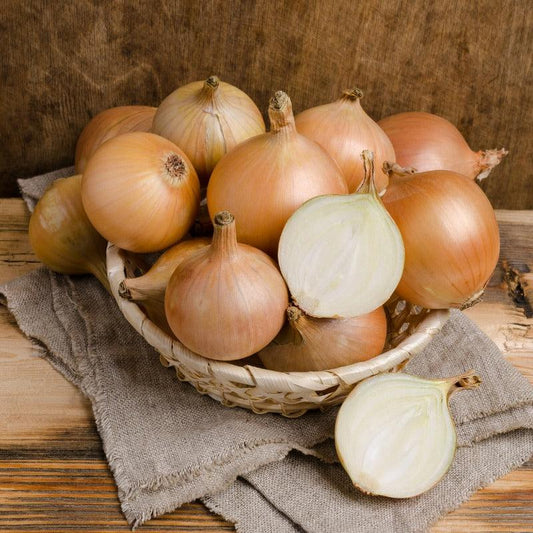
The Best Way to Store Onions
If you’re asking how do you store onions or how can I store onions, focus on three things: dry air, airflow, and temperature.
Ideal Storage Setup
- Store onions in a cool dark place
- Keep them in a cool dry area at room temperature
- Use a wire basket, mesh sacks, or onion bags
- Try mesh bags to store onions for better airflow
Avoid sealed containers. A proper onion storage container should always allow air to move.
Where to Store Onions
If you’re unsure where to store onions, choose a pantry, shed, or garage where temperatures stay stable. The key is keeping onions in a cool and dry space with airflow.
What Not to Do
Many storage problems come from simple mistakes.
-
Don’t store onions and potatoes together
- If you’re asking can you store onions and potatoes together or can you store potatoes and onions together, the answer is no. Both release moisture and gases that cause faster spoilage. Keep onions and potatoes separate from other fruit and vegetable storage.
-
Don’t refrigerate whole onions
- Many people ask, can you store onions in the refrigerator, can you store onions in the fridge, or do you store onions in the fridge. Whole onions should not be refrigerated. Moisture in the fridge leads to rot.
-
Don’t trap moisture
- Avoid sealed plastic containers for whole onions. This is a common mistake when storing onions.

How to Store Cut and Fresh Onions
Once you cut an onion, storage changes.
How to Store Cut Onions
If you’re wondering how to store a cut onion, how to store cut onions, or how to store onions after cutting, follow these steps:
- Wrap the cut onion tightly
- Place in a sealed plastic bag or container
- Refrigerate immediately
This also applies to how to store chopped onions or sliced onions. Always keep them sealed to prevent odor and spoilage.
How to Store Green Onions
Green onions need moisture and refrigeration.
- Wrap roots in damp paper towels
- Place in a loose plastic bag
- Store in the refrigerator
This method answers how to store green onions, how to store green onion, how do I store green onions, and how to store green onions in fridge. It is also the best way to store green onions for freshness.

How to Store Onions Long Term
If your goal is how to store onions long term, focus on airflow and dryness.
- Use breathable containers like mesh or baskets
- Keep onions dry at all times
- Check regularly and remove soft onions
Some onions store better than others. Sweet onions have higher moisture and will not last as long.
To grow onions that store well, explore this collection of organic onion seeds.
Recommended Onion Options
Choosing the right onion improves storage success.
-
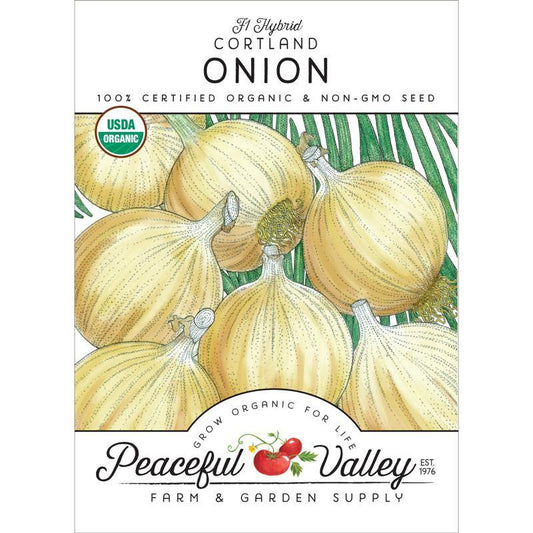
Cortland Onion Seeds (Organic)
- A reliable storage onion for longer shelf life
-
Onion Sets Dutch – Yellow Stuttgarter (Pack of 75)
- Known for strong bulbs and good storage
-
Walla Walla Onion Seeds (Organic)
- Best for fresh use, not long storage
Conclusion
Learning how to store fresh onions comes down to airflow, dryness, and temperature. Most rot happens when onions are kept in damp or enclosed spaces.
By using breathable containers, avoiding moisture, and keeping onions in a cool, dry place, you can prevent rot and extend their shelf life.
FAQs About Onion Storage
How to store onions so they don't rot?
Why are my onions rotting in storage?
How to prevent onion rot?
How to store onions for 2 years?
How do farmers store onions for so long?
Related Pest Control Resources
Content role: Supporting guide · Topic: Plant disease diagnosis & management
- Plant Disease Diagnosis & Organic Management
- Pest Control Solution Chart
- Browse Organic Disease Control products
Identify the pest or problem first. For pesticides, repellents, traps, and biological controls, confirm that the current label or directions cover the target site and pest. Follow all directions and precautions.