How to Use Alfalfa Meal in Your Garden for Better Growth (Step-by-Step Guide)
Growing healthy plants starts with building strong soil. One of the most reliable ways to do that is by using alfalfa meal. This natural input has been used by organic gardeners for years because it feeds both plants and the soil life that supports them.
In this guide, you’ll learn how to use alfalfa meal fertilizer step by step, along with practical tips to get better results throughout the growing season.

What Is Alfalfa Meal and Why It Works
Alfalfa meal fertilizer is made from dried and ground alfalfa plants. It’s considered an organic alfalfa meal fertilizer because it comes from plant material, not synthetic sources.
The typical alfalfa meal NPK is around 2-1-2, though this can vary slightly. This mild alfalfa meal fertilizer analysis makes it a slow release nutrient source that feeds plants steadily instead of all at once.
Key Benefits
- Adds nitrogen for leafy growth
- Contains trace minerals that support plant health
- Stimulates microbial activity in the soil
- Helps improve soil and increases organic matter
- Naturally supports plant growth hormones like triacontanol
These alfalfa meal fertilizer benefits make it useful for everything from vegetables to lawns.
When and Where to Use Alfalfa Meal
The best time to apply alfalfa meal as fertilizer is early in the growing season, when plants are actively growing. You can also reapply lightly mid-season if needed.
Where It Works Best
- Alfalfa meal for vegetables like tomatoes, peppers, and leafy greens
- Around perennials and shrubs, including a rose bush
- As alfalfa meal for lawns or alfalfa meal lawn fertilizer
- In beds that need a long-term soil amendment
Because it’s gentle, it’s safe for regular use without risking nutrient burn.

Step-by-Step: How to Use Alfalfa Meal
Step 1: Measure the Right Amount
Understanding alfalfa meal application rate is key. General application rates:
- Garden beds: 2–5 pounds per 100 square feet
- Individual plants: about ½ to 1 cup per plant
- Established shrubs or trees: apply around the drip line
Avoid over-application, as too much can temporarily tie up nitrogen during breakdown.
Step 2: Apply to the Soil Surface
Spread the alfalfa meal for garden evenly across the soil surface. Keep it a few inches away from plant stems.
For trees and shrubs, apply from about 12 inches out to the drip line, where feeder roots are most active.
Step 3: Lightly Work It In
Gently mix it into the top 1–2 inches of soil if possible. This helps speed up breakdown and improves contact with soil microbes.
This process improves soil structure and supports long-term soil health.
Step 4: Water Thoroughly
Watering activates the breakdown process. Moisture helps microbes begin converting the material into plant-available nutrients.
Step 5: Use in Compost
You can also add alfalfa meal compost inputs to your compost pile. It acts as a nitrogen source, helping balance carbon-heavy materials like leaves or straw.

Can You Use It as a Liquid or Foliar Spray?
Some gardeners make a tea or foliar spray using alfalfa meal. While this can provide a quick boost, most of the benefit comes from soil application.
For best results, treat it primarily as a soil amendment, not a foliar feed.
Choosing the Right Alfalfa Products
If you’re adding organic fertilizers to your routine, here are a few reliable options that fit different garden sizes:
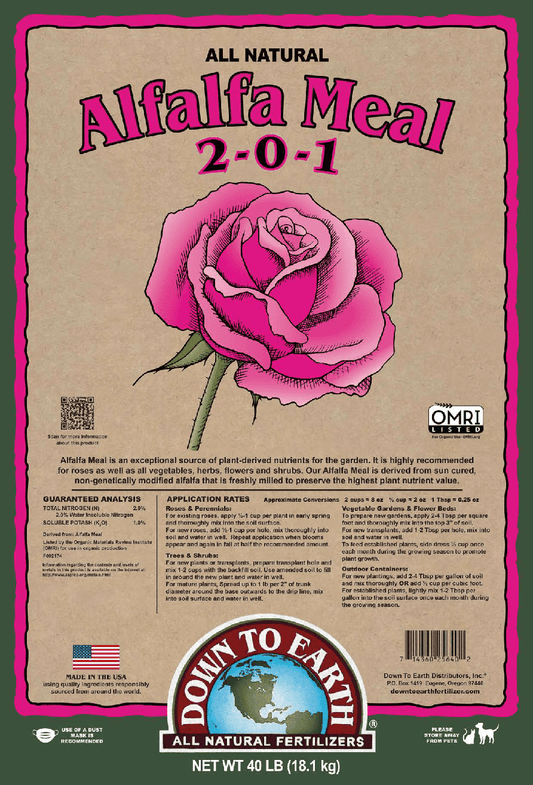
- Alfalfa Meal (40 lb Bag) – best for larger garden spaces or regular use, especially if you’re feeding multiple beds or fruit trees
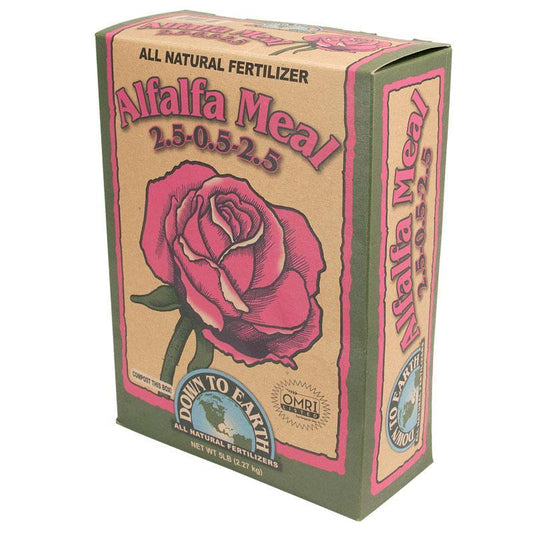
- Alfalfa Meal (4 lb Box) – ideal for small gardens, raised beds, or container growing where you need smaller amounts
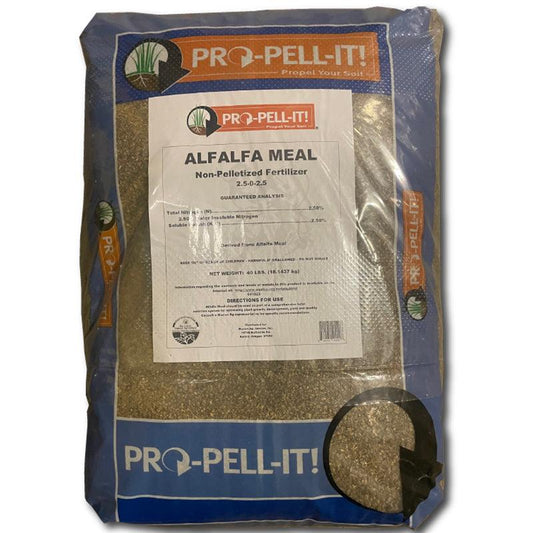
- Organic Alfalfa Pellet Crumble-Coarse (40 lb) – easy to spread and less dusty, making it a practical choice for beds and lawns
You can also explore a full range of organic fertilizer options to build a complete soil fertility plan tailored to your garden.
Final Thoughts
Using organic alfalfa meal is one of the simplest ways to support healthy growth. As an alfalfa meal for plants, it provides a slow, steady source of nutrients, boosts beneficial soil life, and helps build long-term fertility.
Whether you’re growing vegetables, maintaining a lawn, or improving tired soil, learning how to use it—especially as an alfalfa meal fertilizer for lawn care—gives you a reliable tool that works with nature, not against it.
FAQs About How to Use Alfalfa Meal
When should you add alfalfa meal to soil?
How long does it take for alfalfa meal to break down in soil?
What plants benefit from alfalfa meal?
What is the best time to use alfalfa meal fertilizer?
How should alfalfa meal be stored?
Related Fertilizer Guidance
This page supports What Is Alfalfa Meal? Complete Fertilizer Guide. Use that pillar for the complete decision process, then confirm the application with the current product label.