Kelp Meal NPK Explained for Beginners: Why Smart Gardeners Ignore the Low Numbers
Many beginner gardeners look at a fertilizer label and assume bigger numbers always mean better results. That is understandable. When you first compare products, the kelp meal npk numbers can seem surprisingly low next to synthetic fertilizers or high-nitrogen blends.
But experienced organic gardeners often see those lower numbers very differently.
The real value of kelp products goes beyond standard NPK ratings. While the npk of kelp meal may look modest, kelp supports soil biology, root health, and plant resilience in ways that traditional fertilizers often cannot. Understanding this difference helps explain why kelp remains one of the most trusted tools in organic production.

What Does Kelp Meal NPK Mean?
The NPK label represents nitrogen (N), phosphorus (P), and potassium (K). These are the three primary nutrients plants use in large amounts.
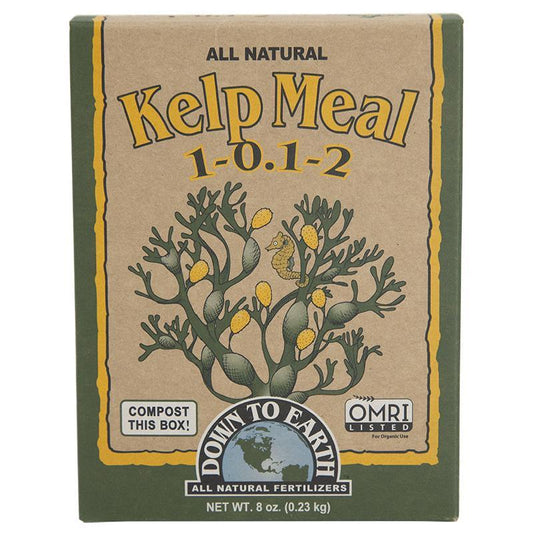
Typical kelp meal fertilizer npk values are around:
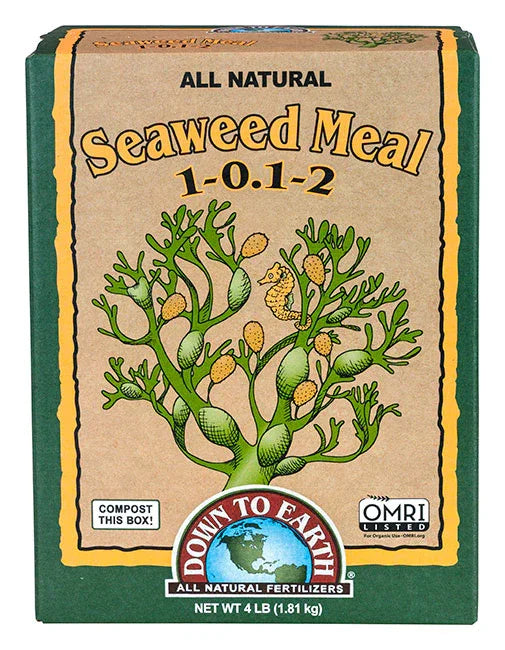
- 1-0.1-2
- 1-0-2
- 2-0-4
That means kelp products contain relatively small amounts of nitrogen and phosphorus but moderate potassium levels.
The kelp meal npk ratio may seem weak compared to synthetic fertilizers, but kelp was never designed to act as a heavy feeding fertilizer. Instead, it works as a broad-spectrum soil and plant supplement.
Many gardeners asking about kelp fertilizer npk or npk kelp meal expect strong nutrient concentrations. In reality, kelp’s strength comes from its biological benefits rather than raw nutrient numbers.
Why Smart Gardeners Ignore the Low NPK
The low kelp npk value does not tell the full story.
Kelp contains more than 60 trace minerals along with naturally occurring plant compounds that support:
- Root development
- Better nutrient efficiency
- Stress tolerance
- Stronger root systems
- Improved microbial activity
- Overall plant vigor
These benefits often improve long-term plant performance more effectively than simply adding more nitrogen.
The kelp npk ratio matters less because kelp acts more like a biological stimulant than a traditional high-analysis fertilizer.

Kelp Supports More Than Just Feeding
One reason gardeners continue using kelp meal is its impact on soil health.
Seaweed products help:
- Increase microbial activity
- Improve soil structure
- Add organic matter
- Support water retention in sandy soils
- Encourage healthier root growth
Many products also contain natural compounds linked to cell division and plant stress recovery. These naturally occurring substances are often described as natural growth hormones.
Because of this, kelp products are commonly used during transplanting, drought stress, or periods of active plant growth.
Kelp Meal vs Liquid Kelp NPK
There are important differences between dry meal products and liquid extracts.
Dry Kelp Meal
Dry meal products release slowly as soil organisms break them down. This makes them useful for:
- Long-term soil improvement
- Raised beds
- Compost systems
- Seasonal garden preparation
Liquid Kelp
The liquid kelp fertilizer NPK numbers are often similarly low, but liquids work faster because nutrients are already dissolved.
Many liquid kelp NPK products are made from cold processed seaweed extract, which helps preserve beneficial compounds found in seaweed like Ascophyllum nodosum.
Liquid products are commonly applied as:
- A foliar spray
- A soil drench
- Supplemental feeding during the growing season
When applying liquid kelp, gardeners usually dilute the product into a gallon of water according to label directions.

What Makes Kelp Different From Standard Fertilizers?
Traditional fertilizers mainly focus on supplying large nutrient quantities. Kelp products work differently.
Rather than overwhelming plants with fast nutrients, kelp improves the environment around the plant. That includes healthier soil microorganisms, stronger root systems, and improved nutrient uptake from existing soil minerals.
This is why many gardeners combine kelp with compost, humic acid, fish fertilizers, or balanced organic blends.
In organic production systems, kelp often supports the effectiveness of other fertilizers instead of replacing them entirely.
How to Use Kelp Meal Correctly
Even though the NPK kelp numbers are low, proper application still matters.
Dry Kelp Meal
Mix dry meal into garden beds before planting or lightly work it into the soil surface around existing plants.
Because kelp breaks down gradually, it provides slow and steady support throughout the season.
Liquid Kelp
Liquid products are best for:
- Seedlings
- Newly transplanted plants
- Heat-stressed crops
- Container plants
- Lawns
Use recommended application rates carefully. More is not always better.
Recommended Kelp Products
If you want to explore different kelp fertilizers, these products work well for a range of garden situations:
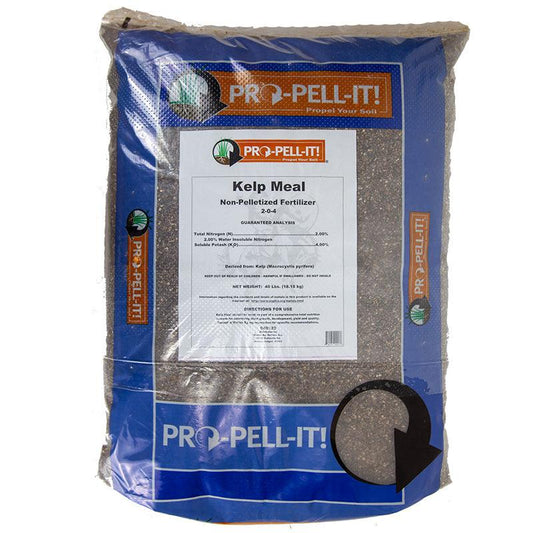
- Kelp Meal 2-0-4 (40 lb) works well for large garden beds and long-term soil building
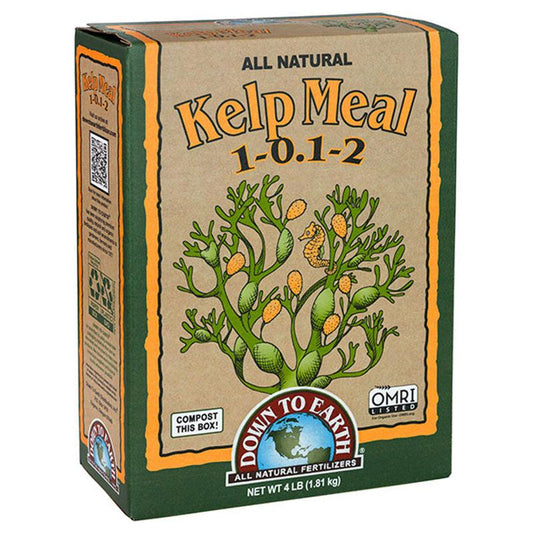
- Kelp Meal 1-0.1-2 (0.5 lb Box) is useful for smaller gardens and containers
-
Kelp Meal 1-0.1-2 (4 lb Box) provides convenient feeding for raised beds
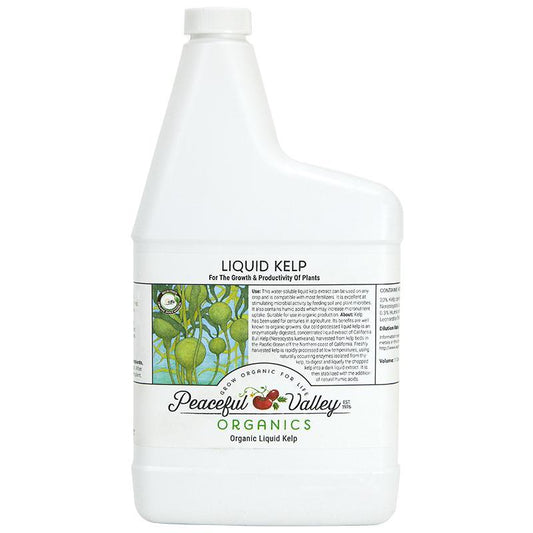
- Peaceful Valley Organic Liquid Kelp works well for foliar feeding and transplant support
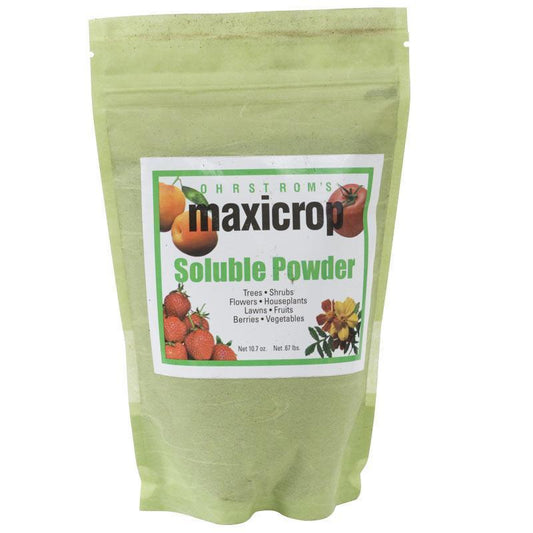
- Maxicrop Kelp Extract is widely used for fast liquid applications and stress recovery
You can also browse additional kelp fertilizers for different gardening needs.
Conclusion
The low numbers on a kelp meal fertilizer NPK label often confuse new gardeners, but experienced growers understand that kelp offers a broad spectrum of basic nutrients beyond NPK. Whether you use dry kelp meal or liquid seaweed extract, this type of organic fertilizer supports healthier soil biology, stronger root systems, and more resilient plants over time.
Instead of focusing only on the kelp NPK numbers, smart gardeners look at the broader picture: healthier soil, better nutrient efficiency, and stronger long-term plant performance.
FAQs About Kelp Meal NPK
What is the NPK value of kelp meal?
Is kelp meal a good fertilizer?
Is kelp meal high in phosphorus?
What is kelp meal high in?
Related Fertilizer Guidance
This page supports Kelp Meal Fertilizer. Use that pillar for the complete decision process, then confirm the application with the current product label.