Kelp Meal vs Seaweed Fertilizer: A Beginner-Friendly Guide to These Popular Plant Boosters
Seaweed-based fertilizers have become increasingly popular among home gardeners, especially those focused on organic gardening and long-term soil health. Still, many beginners feel confused when comparing products labeled kelp meal, seaweed extract, or liquid seaweed fertilizer. The names sound similar, but they are not always the same thing.
Understanding kelp vs. seaweed helps gardeners choose the right product for their garden beds, container plants, and overall growing goals. While both can support plant health, the difference between kelp and seaweed comes down to the type of marine algae used and how the product is processed.
Seaweed is a broad term that includes many species of seaweed, including green, red, and brown marine algae. Kelp is one specific group of large brown algae that grows mainly in cool coastal waters. Because of its naturally occurring minerals and bioactive compounds, kelp is commonly used in garden products designed to support soil biology and overall plant vigor.
Once you understand the basics, it becomes much easier to decide whether dry kelp meal or liquid seaweed products fit your garden best.

Kelp vs Seaweed: Understanding the Basics
Seaweed is a general term that includes many types of marine algae found throughout the world’s oceans. Some are even consumed as sea vegetables in different cuisines. Kelp belongs to one category of large brown seaweed that thrives in cool ocean environments. In simple terms, all kelp is seaweed, but not all seaweed is kelp.
The difference between seaweed and kelp is mainly about classification and source material. Some fertilizers contain blends of several species of seaweed, while others are made from specific kelp species such as Ascophyllum nodosum.
Ascophyllum nodosum grows naturally along rocky North Atlantic coastlines and intertidal zones. This species is widely used in seaweed and kelp fertilizers because it contains trace minerals, natural carbohydrates, and other compounds associated with healthy plant growth and stress tolerance.
When gardeners discuss seaweed vs kelp, the conversation usually centers on the specific algae species used and how the fertilizer is processed.
Why Gardeners Use Seaweed Fertilizers
Seaweed fertilizers are not typically used for high nutrient numbers alone. Instead, gardeners value them because they support overall soil health and plant performance over time.
Most seaweed products help support:
- Stronger root growth
- Improved nutrient uptake
- Better stress tolerance
- Healthier microbial activity
- Better soil texture
- Long-term soil improvement
These products also contain essential nutrients and naturally occurring compounds that support balanced growth throughout the growing season.
Unlike many synthetic fertilizers that push rapid top growth, seaweed-based products work more gradually to strengthen the relationship between the soil and plant.

What Is Kelp Meal?
Kelp meal is made by drying and grinding seaweed into a coarse powder. Gardeners usually mix it into the soil before planting or apply it around established plants as a slow-release amendment.
Because kelp meal breaks down gradually, it works best as a long-term soil conditioner rather than a quick fertilizer fix.
Gardeners often use kelp meal to:
- Improve soil texture
- Increase microbial activity
- Add organic matter
- Support root systems
- Supply small amounts of potassium and micronutrients
The slow-release nature of kelp meal makes it especially useful for raised beds, vegetable gardens, fruit trees, and other long-term planting areas.
What Is Liquid Seaweed Fertilizer?
Liquid seaweed fertilizer is a concentrated extract made from kelp or other marine algae. Unlike dry meal products, liquid forms are absorbed more quickly by plants.
Many seaweed liquid fertilizer products are used as:
- Soil drenches
- Root soaks
- Foliar application sprays
Gardeners commonly apply liquid seaweed during active growth periods, after transplanting, or during environmental stress such as drought or excessive heat.
Because the nutrients and natural compounds are already dissolved, plants can respond more quickly compared to dry soil amendments.

Kelp Meal vs Seaweed Fertilizer
When comparing kelp meal vs seaweed fertilizer, the main difference is how quickly the product works and how it is typically used.
Kelp Meal
- Breaks down slowly in soil
- Supports long-term soil improvement
- Builds organic matter
- Encourages microbial activity
- Best for steady soil conditioning
Liquid Seaweed Fertilizer
- Produces faster plant response
- Works well for foliar application
- Useful during transplant stress
- Supports plants during active growth
- Ideal for container plants and seedlings
Many experienced gardeners use both together because the products complement one another well.
What’s the Difference Between Kelp and Seaweed Fertilizers?
Another common question is, what's the difference between kelp and seaweed fertilizers sold in stores?
The answer often depends on the manufacturer. Some products use only kelp species such as Ascophyllum nodosum, while others contain blended marine algae extracts.
The kelp and seaweed difference may also involve processing methods. Some liquid products are cold processed to preserve delicate natural compounds that support healthy growth.
When gardeners ask, what's the difference between seaweed and kelp, the practical answer is that kelp fertilizers are usually a more specialized category within broader seaweed fertilizer products.

Benefits Beyond Basic Fertilizing
One reason seaweed fertilizers remain popular is that they support more than nutrient delivery alone.
Research suggests these products may help:
- Stimulate root activity
- Support microbial diversity
- Improve stress recovery
- Enhance nutrient efficiency
- Encourage healthier plant structure
Seaweed fertilizers are also valued in organic gardening because they help improve soil naturally without relying entirely on synthetic fertilizers.
In many gardens, seaweed fertilizers work best alongside compost, mulch, cover crops, and other balanced organic fertilizers.
Recommended Kelp and Seaweed Products
If you want to explore different seaweed-based fertilizers, these products work well in many home gardens:
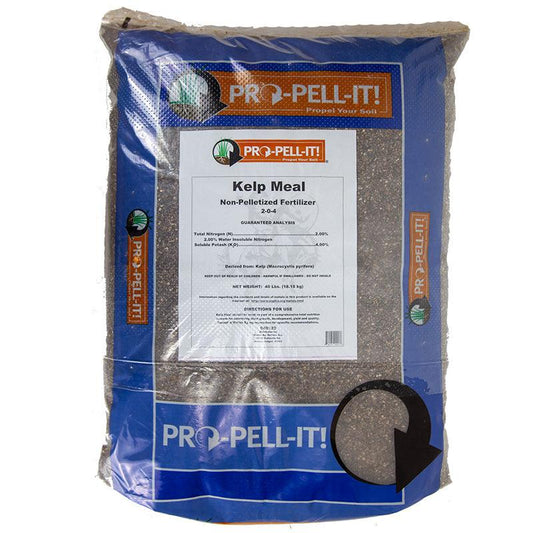
- Kelp Meal 2-0-4 (40 lb) works well for large vegetable gardens and long-term soil improvement
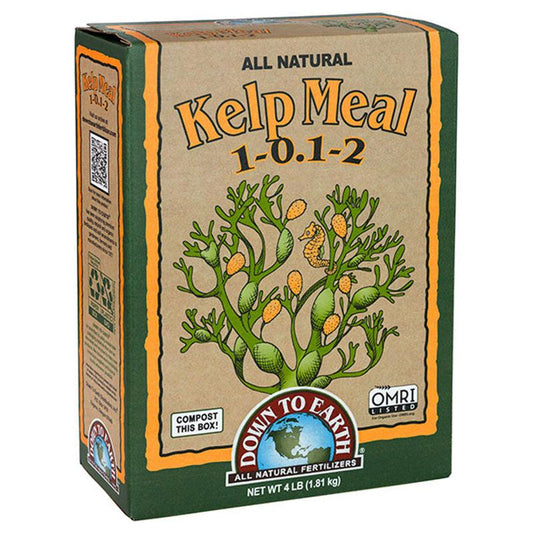
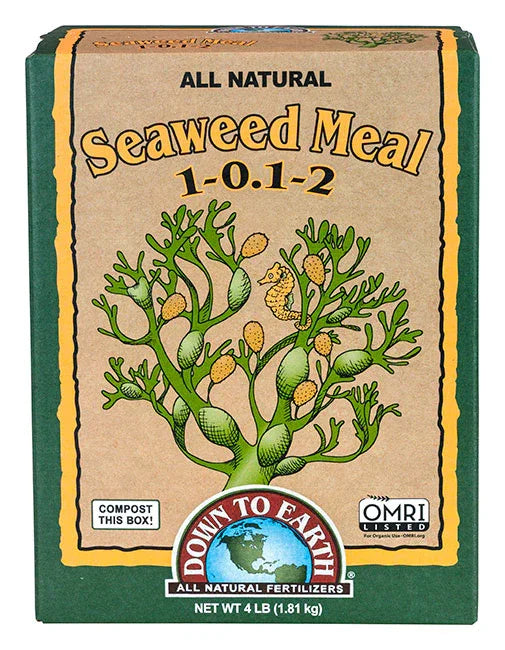
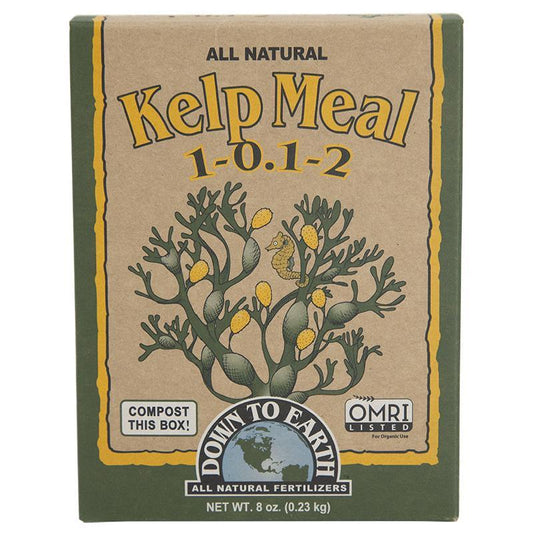
- Kelp Meal 1-0.1-2 (4 lb Box) is useful for raised beds and seasonal feeding
- Kelp Meal 1-0.1-2 (0.5 lb Box) works well for containers and small gardens
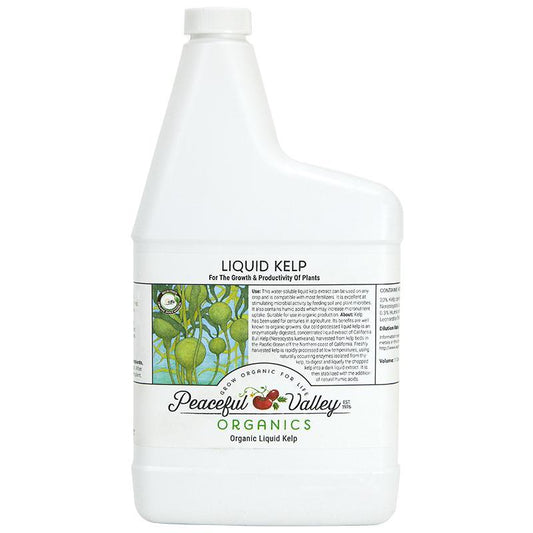
- Peaceful Valley Organic Liquid Kelp is useful for transplant support and foliar sprays
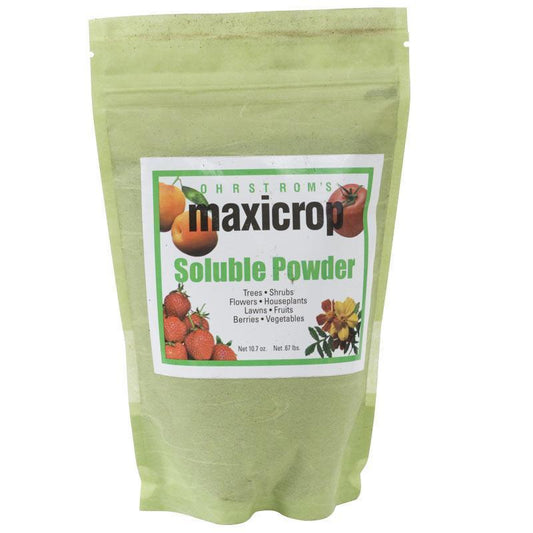
- Maxicrop Kelp Extract is widely used for quick liquid feeding
You can also browse additional kelp fertilizers for different gardening needs.
Which Option Is Best for Beginners?
For beginner gardeners, the best choice depends on what you want to improve in your garden.
Choose kelp meal if you want:
- Better long-term soil health
- Improved soil structure
- Gradual nutrient release
- Increased microbial activity
Choose liquid seaweed fertilizer if you want:
- Faster visible results
- Easy application
- Quick support during stress
- Faster recovery after transplanting
Many gardeners eventually combine both products because they support plants in different ways throughout the growing season.
Conclusion
Understanding the seaweed and kelp difference makes fertilizer choices much easier for beginner gardeners. Although the names are often used interchangeably, the difference between kelp and seaweed involves species selection, processing methods, and how the product functions in the garden.
Whether you choose dry kelp meal or liquid seaweed fertilizer, both products can support healthier plants, stronger roots, and better long-term soil performance.
Used correctly, these natural fertilizers help create healthier growing conditions while supporting sustainable gardening practices and stronger soil ecosystems over time.
FAQs About Kelp Meal VS Seaweed Fertilizer
Is seaweed fertilizer the same as kelp fertilizer?
What plants don't like kelp fertilizer?
Is kelp meal a good fertilizer?
Which is better, kelp or seaweed?
Do farmers use seaweed as fertilizer?
Can you use seaweed fertilizer on all plants?
What plants is kelp fertilizer good for?
How often should I use seaweed fertilizer?
What is the difference between kelp and seaweed?
How long does kelp meal take to work?
Related Fertilizer Guidance
This page supports Kelp Meal Fertilizer. Use that pillar for the complete decision process, then confirm the application with the current product label.