“Plum” includes several species and many hybrids. The most useful first step is to identify the broad group, then compare the exact cultivar for climate, pollination, rootstock, harvest and fruit use.

Japanese plums
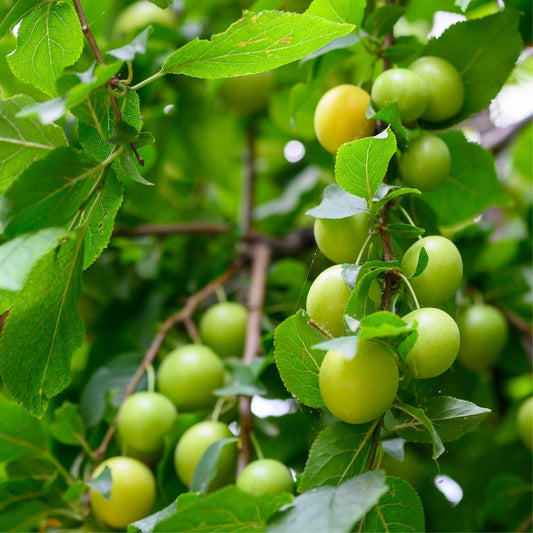
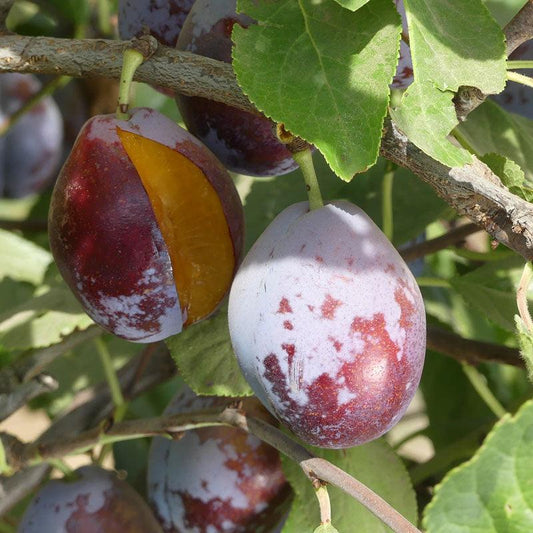
Japanese-type plums are based largely on Prunus salicina and related hybrids. They often produce round, juicy fruit in a wide range of skin and flesh colors. Many require a compatible pollinizer, although requirements vary by cultivar.
European plums
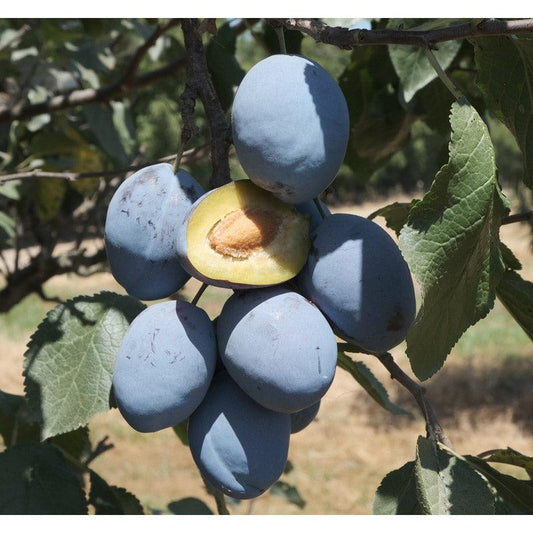
European plums, Prunus domestica, include many prune-type and fresh-eating cultivars. Fruit is often oval, and some cultivars are self-fruitful. They commonly bloom and pollinate within a different compatibility group from Japanese plums.

American and native plums
North American species such as Prunus americana contribute cold hardiness, wildlife value and regional adaptation. Cultivar, species and rootstock should be confirmed because fruit quality and growth habit vary widely.
Hybrid plums and plumcots
Interspecific hybrids combine genetics from more than one Prunus species. Commercial names can be inconsistent, so rely on the current product description and breeder or grower information rather than the name alone.

How to choose a plum tree
- Match winter chill, heat and frost risk.
- Confirm pollination compatibility and bloom overlap.
- Choose fruit traits and harvest season for your intended use.
- Review rootstock, mature size and soil adaptation.
- Use current product pages for the exact offered-tree characteristics.
Next steps
Use Tree Characteristics, follow the complete plum growing guide, and browse current plum trees.