

Pomegranate Tree Espalier Training: Pruning Your Pomegranate Tree, Bush, or Shrub Made Easy
Pomegranates are incredibly versatile. You can grow them as a pomegranate tree espalier, a tidy pomegranate hedge, a compact shrub, or even a container-sized small tree. No matter how you shape them, these hardy plants reward you with glossy foliage, fiery orange red blooms in the spring, and jewel-like pomegranate fruit in late summer and fall.
In this guide, we’ll walk through the basics of pomegranate pruning bush style, training an espalier pomegranate tree, managing hedges, and choosing the form that fits your garden—whether you have a large yard or a tiny small space along a fence.
For a deeper dive into varieties and planting, explore the full pomegranate tree collection and the step-by-step pomegranate growing guide.
Pomegranate Bush vs Tree: Which Form Is Right for You?
Do Pomegranates Grow on Trees or Bushes?
One common question is: do pomegranates grow on trees or bushes? The answer is: both. A pomegranate shrub or tree is really the same plant—your pruning and training decide the shape.
- Pomegranate bush vs tree: Left alone, most pomegranate varieties naturally grow as multi-stemmed shrubs.
- Pomegranate tree or bush: With selective pruning, you can turn several strong stems into a small tree with a more open canopy.
- Pomegranate tree vs bush: A tree form looks more like traditional fruit trees, while a shrub form fills space, works well as a hedge, and can better recover from frost damage.
Because pomegranates are drought tolerant and cold hardy in many climates (often around USDA zones 7b–12), they’re a great choice for low-maintenance edible landscaping.
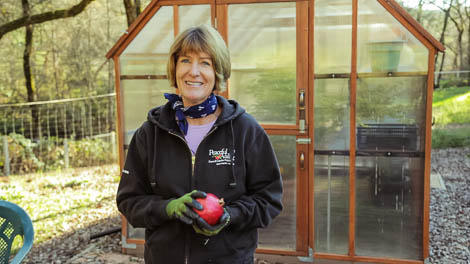
To see them in action, check out this helpful how to grow pomegranate video.

Basics of Growing Pomegranate Trees
Pomegranates are easier than many fruit trees, but they still need a few key things:
- Well-drained soil: They dislike wet feet, so plant them in drained soil or raised beds.
- Sunlight: Full sun boosts fruit production and improves fruit set.
- Timing: Plant and shape in early spring, before the main growing season kicks in.
For full planting, watering, and care tips, read Grow a Pomegranate Tree.
Pomegranate Tree Spacing & Forms
Tree or Shrub Spacing
For individual plants:
- Space growing pomegranate trees about 10–15 feet apart if you want a full, rounded tree or shrub.
- For a tighter pomegranate hedge, you can plant 6–9 feet apart—branches and suckers will fill in over time.
Good air circulation helps prevent disease and keeps foliage dry after rain or irrigation.
Pomegranate Hedge
A pomegranate hedge is both beautiful and practical:
- Plant in a row with even pomegranate tree spacing.
- Allow multiple stems to grow for dense structure.
- Light yearly pruning keeps the hedge neat while still letting it produce fruit.
This is an excellent choice if you want a living fence that also gives you grown pomegranates to harvest.

Pomegranate Espalier: Training Along a Fence or Wall
Can You Espalier a Pomegranate?
Yes—pomegranate espalier is a great way to grow in small space gardens. An espalier pomegranate is trained flat along a trellis, fence, or wall, creating a living “fruit wall.”
To create an espalier pomegranate tree:
- Plant near a sturdy support, like wires or a wall.
- Choose 2–6 main branches and tie them horizontally or in gentle angles.
- Remove extra shoots that don’t fit your pattern.
- Shorten side shoots to encourage fruit set close to the main arms.
Because pomegranates are naturally shrubby with narrow branches, they adapt well to simple patterns, like a multi-armed cordon rather than strict, formal shapes.
Pomegranate Pruning: Bush, Small Tree & Espalier
When and Why to Prune
Should you prune your pomegranate tree? Yes, but lightly. Pomegranates produce fruit on 2–3-year-old wood, so pruning is mostly about:
- Removing dead, damaged, or crossing branches
- Thinning older stems to stimulate new “fruiting” shoots
- Cutting off suckers at the base to control form
The best time is usually late winter to early spring while the plant is dormant and before new growth begins.
Pomegranate Pruning Bush Style
For a bush:
- Keep 4–6 main stems.
- Thin out crowded growth each year.
- Maintain an open center to improve air circulation and light.
Keeping a Pomegranate as a Small Tree
If you want a small tree:
- Select 1–3 strong trunks on young trees.
- Remove lower suckers and shoots that compete with the main trunks.
- Shorten branches slightly to balance shape, but avoid heavy cuts that remove too much fruiting wood.
For an almost seedless, clear-juice variety that’s great in either form, explore the ‘Eversweet’ pomegranate.
Pomegranate Care Through the Growing Season
Once your tree grows into its chosen shape:
- Watch for blooms in the spring—these orange red flowers are where your fruit begins.
- Water deeply but infrequently; avoid soggy soil to prevent root issues.
- Protect from extreme frost damage in colder areas by mulching and, if needed, covering on the coldest nights.
If you’re curious which varieties fit your climate and space, take a look at the curated pomegranate trees collection.
Conclusion
With a bit of planning and gentle pruning, you can enjoy a beautiful pomegranate tree espalier, bush, or hedge that fits your garden style and rewards you with gorgeous flowers and delicious fruit year after year.
7 comments
Andrea, the pomegranate plant will do fine growing in a 30 gallon smart pot.
Hi, in your video for growing pomegranates. What size grow bag are you using? Would a 30 gallon be sufficient or do I need something larger? The one I bought is already about 4 ft tall
Need impenetrable hedge (wall) to keep pigs out. Spacing, design?
Joy, the trees are rated to zone 7, it might make it if planted in an area that stays a little warmer, like against a house on the south side. However, we could not guarantee that it would make it and thrive. They need hot weather to fruit and will die back if the temperatures are too cold.
Helo, I live in Massachusetts. Do you think I can grow a pomegranate here? I really want to grow one because it is my favorite. I think my hardiness zone is 6B.