A fall vegetable garden can extend harvest beyond summer and make use of cooler weather for roots, leafy greens, peas, and brassicas. Success depends less on one national planting date than on matching each crop to your first-frost pattern, remaining daylight, summer soil temperature, and available frost protection.
Use this guide for the complete seasonal plan. For a crop-by-crop starting sequence, read Cool-Season Seeds to Start for Fall and Winter Harvests.
Why grow vegetables in fall?
Many cool-season vegetables establish or mature well as temperatures decline. Cooler weather can reduce heat stress, slow moisture loss, and improve the eating quality of some leafy and root crops. Fall planting also lets gardeners use beds that open after summer harvest.
The tradeoff is time. Shortening days and colder soil slow growth, so the same variety may take longer to finish in autumn than its packet’s spring performance suggests.
Start with the first-frost date
Find the average first-frost date for your location and enter it in the Seed Planting Calculator. Average means frost can arrive earlier or later in any particular year, so retain a weather and protection buffer.
- Check the variety’s listed days to maturity.
- Add the expected germination period or transplant age.
- Add extra time for slower autumn growth.
- Decide whether the crop must finish before frost or can tolerate some cold.
- Move the planting earlier if your garden loses sunlight quickly in fall.
Choose crops by season length and cold tolerance
| Crop group | Examples | Planning priority |
|---|---|---|
| Long-season transplants | Broccoli, cabbage, cauliflower, Brussels sprouts | Begin early enough for transplant establishment and maturity. |
| Roots | Carrots, beets, turnips, radishes | Use suitable maturity dates and maintain moisture during germination. |
| Leafy crops | Lettuce, spinach, kale, chard, mustard and Asian greens | Manage warm soil, succession sowing, and harvest stage. |
| Cool-season legumes | Garden peas | Allow for slower fall growth and confirm the variety fits the window. |
| Overwintering alliums | Garlic and shallots | Use crop-specific fall planting guidance rather than the vegetable succession schedule. |
Decide what to direct sow and what to transplant
Carrots, radishes, turnips, peas, and many greens are usually direct sown. Broccoli, cabbage, cauliflower, and lettuce can be transplanted when summer heat makes outdoor germination difficult or when a longer-season crop needs a head start.
Transplants should be sturdy, not root-bound, and hardened gradually to outdoor conditions. Direct-sown beds need a fine enough surface for the seed size, good seed-to-soil contact, and consistent moisture until emergence.
Prepare the bed after summer crops
Remove diseased residue and established weeds. Avoid aggressive cultivation when the soil is saturated or powder-dry. Add finished compost when it addresses soil structure or organic-matter needs, and use a soil test rather than automatically applying phosphorus, lime, sulfur, or concentrated fertilizer.
Level the bed for even irrigation. If the area receives less sun as the season changes, choose faster or shade-tolerant crops and plan for slower growth.
Manage summer heat during germination
Fall gardens are often started during the hottest part of the year. Warm soil can inhibit germination of spinach and other cool-season crops, while small seeds can dry quickly near the surface.
- Sow at the packet’s recommended depth.
- Keep the seed zone evenly moist without saturating the bed.
- Use temporary shade where appropriate, then reduce it as seedlings establish.
- Start selected crops in containers when a cooler protected location is easier to manage.
- Check soil temperature, planting depth, and seed age when emergence is poor.
Use succession planting
Instead of sowing all lettuce, greens, or radishes on one date, make smaller plantings at intervals that fit the remaining season. Succession planting spreads harvest and reduces the risk from a single heat wave or early frost.
Record the variety, sowing date, emergence, and first harvest. Those notes will produce a more accurate local calendar than a generic zone number alone.
Protect crops as temperatures fall
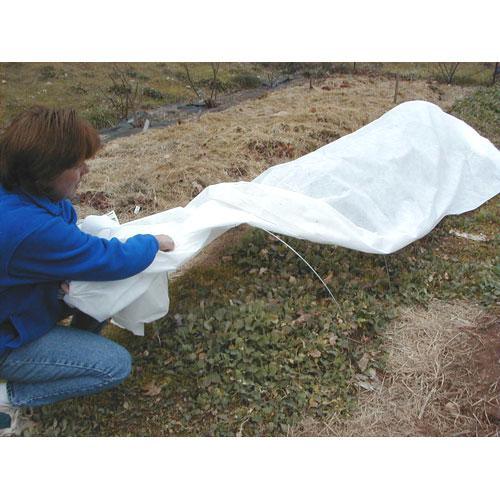
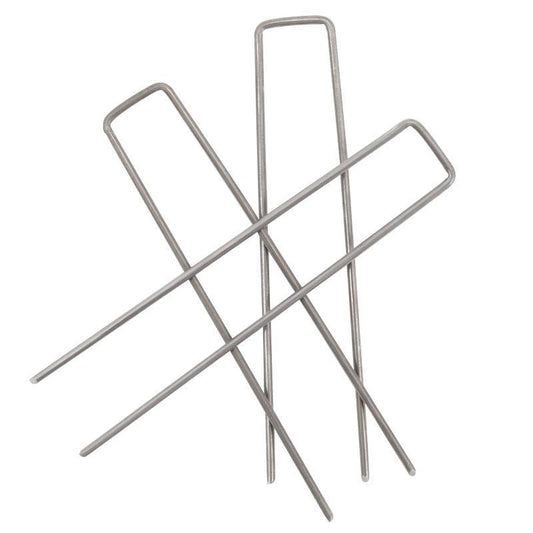
Floating row covers, hoops, cold frames, and low tunnels can reduce exposure to wind and light frost. They do not make every crop winter-hardy. Secure covers, inspect plants, and ventilate enclosed structures on warm sunny days.
Choose protection before the first cold night so supports and anchoring are ready. For insect exclusion, install suitable row cover before the pest reaches the crop and manage it around pollination needs.
Harvest at the right stage
A fall garden does not have to produce only full-size vegetables. Baby greens, small roots, and individual outer leaves can provide useful harvests before severe weather. Harvest tender crops before damaging cold, and check protected beds regularly rather than leaving mature produce unattended.
Choose seeds and plan the next step
Start with the Seed Planting Calculator, compare Vegetable Seeds, and read which cool-season seeds to start first. For crop-specific instructions, use the Grow Organic growing guides before planting.
Regional fall garden plans
Fall timing changes with the first hard freeze, the return of rain, lingering soil heat, and elevation. Choose the plan closest to your conditions, then adjust for your garden’s slope, exposure, and microclimate.
- San Francisco Bay Area fall garden plan
- Oregon fall garden plan
- Washington fall garden plan
- Southern California fall garden plan
- Sacramento and Sierra foothills fall garden plan
- Southwest fall garden plan
- Southeast fall garden plan
- Rockies and Interior West fall garden plan
- Upper Midwest, Great Lakes, and New England fall garden plan
Each plan starts with whole-garden priorities and connects you to detailed guidance for soil, crop timing, irrigation, pest management, and perennial or infrastructure work.