In this video, Tricia shares her tips for planting and growing wildflowers.
How to Plant Wildflowers for a Stunning Spring Garden
Wildflowers bring vibrant color and life to your garden, and planting them in the fall ensures a spectacular display come spring. Here’s a step-by-step guide to growing wildflowers for a burst of natural beauty.
Why Plant Wildflowers in the Fall?
Fall planting mimics nature’s process, giving seeds more time to establish. As the seeds stay dormant through the winter, they’re perfectly timed to bloom in spring.
Choosing the Right Wildflower Seeds
- Adapted Varieties: Select seeds suited to your local climate for the best results. Native species are a great option as they thrive naturally in your region.
- Avoid Invasive Species: Be mindful of your area. For example, California poppies are a state treasure but can become invasive in other regions.
- Coverage: A package of seeds typically covers 10 sq. ft., while a quarter-pound can cover up to 1,000 sq. ft. Avoid over-seeding to prevent overcrowding, especially with seed mixes.
Want to focus on native species that support local pollinators in California? Learn more in our region-specific guide: Growing Native Plant Pollinators in the Sierra Nevada Foothills.
Preparing the Soil
- Choose the Site: Most wildflowers prefer full sun and low-fertility soil, though certain mixes cater to shady areas.
- Till the Ground: Lightly till to a depth of two inches to expose bare soil.
- Weed Management: Irrigate the tilled area to encourage weed germination, then remove the sprouts. Repeat this process at least once.
Planting the Seeds
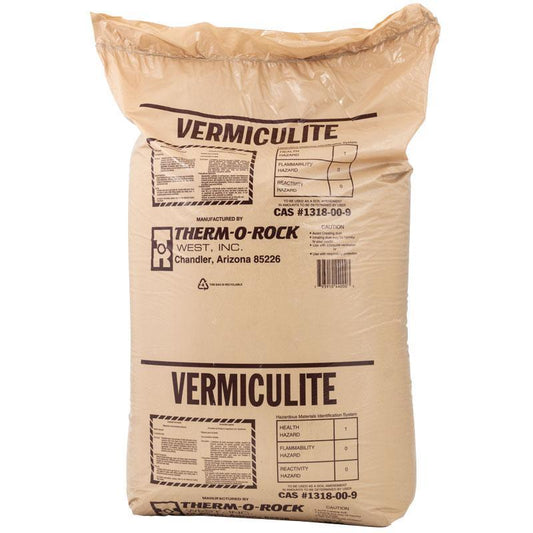
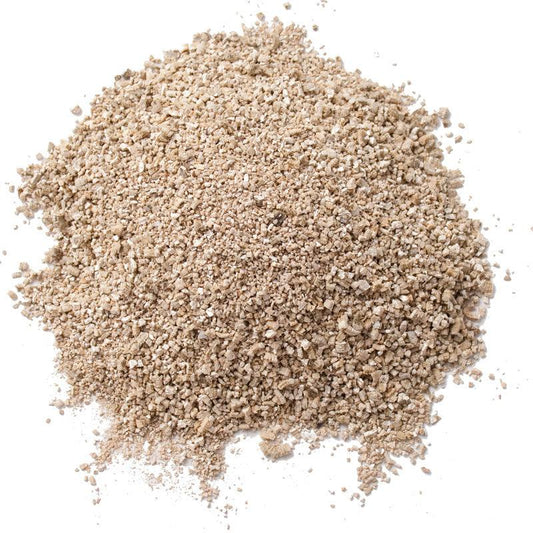
- Mix Seeds with an Inert Material: Combine seeds with sand or vermiculite (at a 1:10 ratio) to ensure even distribution.
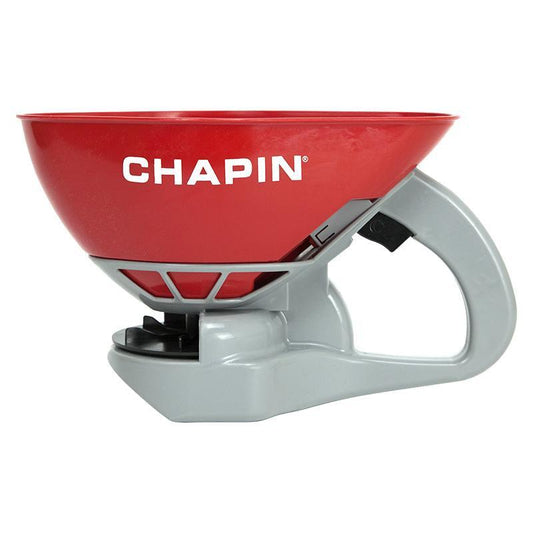
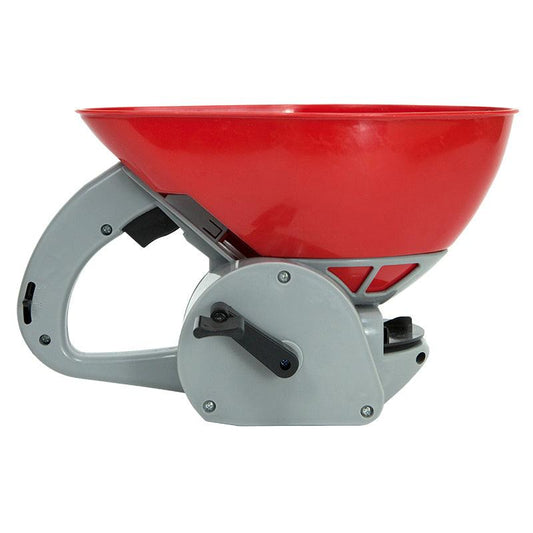
- Sow in Two Passes: Divide the seeds into two batches, spreading one half in one direction and the other half in a perpendicular direction.
- Compress the Seeds: Gently stamp the seeds into the soil using your feet, a lawn roller, or a piece of plywood.
Spring Planting Tip
If planting in spring, place your seeds in the freezer for a couple of days before sowing. This helps mimic the winter dormancy needed for germination.
Enjoy the Rewards
By planting wildflowers in the fall, you’ll set the stage for a breathtaking spring garden. Enjoy the low-maintenance beauty of wildflowers and Grow Organic for Life!
Want to experiment growing multiple wildflower varieties? Explore our Organic Wildflower Seeds collections.
For more information, see our article on When to Plant Wildflower Seeds? Discover the Best Time to Plant Wildflower Seeds & When to Grow Wildflowers.
Grow the next flowers from seed
Use our flower seed growing guide to plan sowing time, light, spacing, and transplanting for annual and perennial flowers. When you are ready to choose varieties, browse flower seeds for color, cutting gardens, pollinator plantings, and season-long bloom.
Prepare the site before sowing
Wildflower success depends more on seed-to-soil contact and early weed control than on scattering extra seed. Remove existing vegetation, loosen only the surface, and rake away thick debris. Avoid burying tiny flower seed deeply; press it into the prepared surface and follow the mix instructions for the correct sowing season in your region.
Choose a mix for the conditions
Match the mix to sunlight, winter temperature, soil drainage, and available irrigation. Annual-heavy mixes can bloom quickly but usually need reseeding or natural seed drop. Perennial mixes develop more slowly and may spend their first season building roots. A regional or pollinator mix is useful only when its species match the actual site.
Watering and first-season care
Keep the seeded surface consistently moist during germination without creating runoff. As seedlings establish, shift toward deeper and less frequent watering according to the species and weather. Learn to distinguish desired seedlings from aggressive weeds before pulling. Mow or trim spent first-season growth only when the mix instructions recommend it, and leave some stems or seed heads if wildlife habitat is part of the goal.
Improve the planting over time
Photograph the area through the season, note gaps, and overseed only after correcting the cause of poor establishment. Bare patches often point to runoff, compaction, shade, or weed pressure rather than insufficient seed. A modest, well-matched planting that is maintained for several seasons usually outperforms a large area that cannot be weeded or watered during establishment.