
Collection: Composted Animal Manure
Improve the health of your soil with composted animal manure!

-


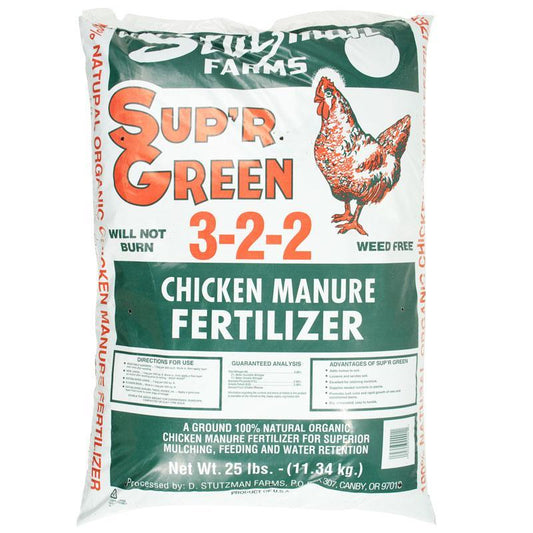
Sup'R Green Organic Chicken Manure (Composted) (25 lb)
Regular price $6.99Sale $6.99Unit price per -
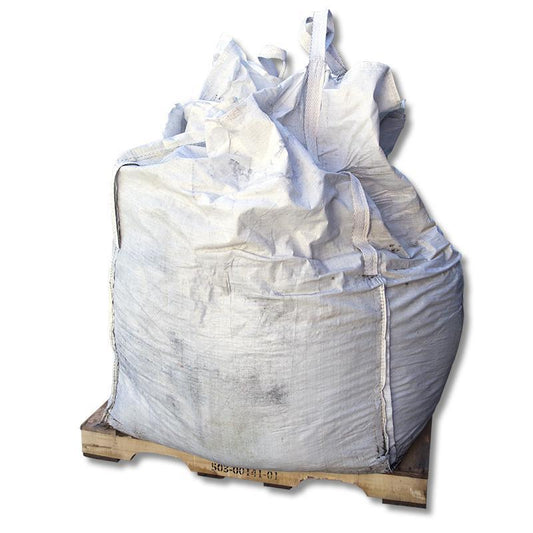
Super Green Chicken Manure (2000 lb tote)
Regular price $435.00Sale $435.00Unit price per


Compare composted manure for garden soil
Shop composted animal manure to add organic matter and nutrients where your soil needs them. The current orderable assortment includes composted chicken manure in 25-pound bags and a 2,000-pound tote. Other listed products may be unavailable; check the exact product before planning a delivery.
Choose by analysis and amount
Chicken manure products here list a 3-2-2 nutrient analysis. Read the current package for its guaranteed analysis, ingredients and application directions. Do not treat all manure sources as equivalent or use one product’s rate for another.
A small bag is easier to handle for a garden bed. Bulk manure suits larger projects, but requires planning for access, unloading and storage. Compare the total quantity you need at the label rate, rather than choosing by package price alone. Review freight and delivery details on the selected listing before ordering a tote.
Composted manure is different from raw manure
Composting changes manure through decomposition. Finished composted material can add organic matter and nutrients, but its value depends on the source, processing and nutrient analysis. It is not a guarantee that any amount is safe for any crop. More compost or manure is not always better: repeated applications can add nutrients the soil does not need.
Use soil-test guidance to account for nutrients already present, including previous fertilizer and compost applications. Follow the product label for rate, placement and watering. Avoid piling concentrated material against stems or using manure alone as a seed-starting mix.
Handle and store carefully
Wear gloves, avoid breathing dust and wash hands after handling. Store the closed package away from food and out of weather. Composted manure can still have an odor. Check the product’s current organic-input documentation if you are purchasing organic manure for a certified growing program.
Compare Ready-Made Compost for other amendment types, or use Soil Testing to help plan what your beds need.