

Good sweet cider is a blend, not necessarily a single “best” apple. Combining fruit with sweetness, acidity, aroma, and sometimes tannin creates a more balanced juice. This guide focuses on blending and safe fresh-cider handling; fermentation requires a dedicated, validated process.
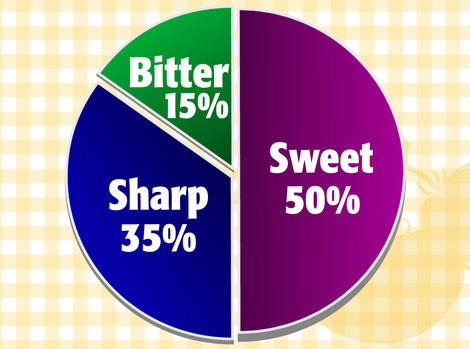
Build the Blend by Flavor Role
- Sweet: supplies fermentable sugar and a round base flavor.
- Sharp: contributes acidity and brightness.
- Aromatic: adds distinctive apple character.
- Bittersweet or bittersharp: contributes tannin and structure when available.
Start with a mostly sweet base, add sharper apples for balance, and include smaller amounts of tannic or highly aromatic fruit. Press a small trial batch, taste it, and record the blend before scaling up.
Use Only Sound Fruit
Wash apples under clean running water and remove leaves, soil, and damaged portions. Do not use moldy, rotten, fermented, or ground-contact fruit contaminated by animals. Clean and sanitize the crusher, press, cloths, collection vessels, and containers according to food-contact directions.
Crush and Press
- Sort and wash the apples.
- Crush them into pomace using equipment designed for fruit.
- Transfer pomace to a clean press basket or cloth.
- Apply pressure gradually and collect juice in a sanitized food-safe container.
- Keep the cider protected from dirt, insects, and contact with non-food-safe surfaces.
Fresh Cider Safety
Fresh unpasteurized juice can carry harmful microorganisms even when the apples look clean. People at higher risk—including young children, pregnant people, older adults, and anyone with a weakened immune system—should avoid unpasteurized cider. Use a current authoritative pasteurization method and a food thermometer; avoid relying on appearance or taste to judge safety.
Cool or Freeze Promptly
Refrigerate cider immediately in clean covered containers and use it promptly according to current food-safety guidance. For longer storage, freeze it in freezer-safe containers with expansion space. Do not assume a sealed jar of fresh cider is shelf-stable.
Keep Fermentation Separate
Hard cider requires controlled sanitation, yeast management, fermentation, packaging, and awareness of alcohol laws. Accidental fermentation is not a safe preservation method. Use a dedicated cider-making resource if producing an alcoholic beverage.
Use the Pomace Responsibly
Apple pomace can be composted in a balanced pile. Feeding it to animals or using it in food requires species-specific and food-safety guidance; do not assume every by-product is suitable.
Watch the cider-making video, browse bare-root apple trees, or continue to the dedicated guide for using apple pomace.











9 comments
Will pouring nearly finished cider over chopped apples(into a glass gallon fermentation jug) add a noticeable amount of flavor? Will perhaps soaking them for a few days, if they are higher quality than the juice help the final flavor? I plan on aging the cider for six months before adding Acidic Acid Bacteria and beginning the vinegar making process.
I find it hard to find a full list of apple varieties and what “category” they belong in.
I find many specific to cider apples, but most of us are stuck mostly with what comes from the store (I have a gravenstien tree, but the rest must be store bought). Most of which are definitely sweet (you listed many), but do you know where I can find a full list of all apple varieties?
Jason, here is an article I found that lists more varieties of apples for making cider. https://www.ciderschool.com/orcharding/apples/
Hope that helps.
Wheelhat, Jonathan are sweet/sharp, so they can be used in either category.
How would Jonathan apples be classified? They are really nice for baking; not sure about cider. Thanks