
Collection: Live Bees for Sale & Solitary Bee Supplies
All LIVE Bees Ship For FREE!

-

Spring Mason Bee Cocoons (40ct)
Regular price $44.95Sale $44.95Unit price per -

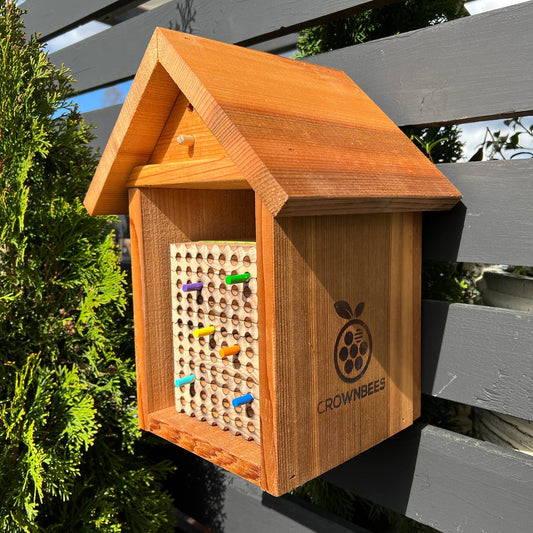
Bee Wayfinders for Mason Bees
Regular price $8.25Sale $8.25Unit price per -

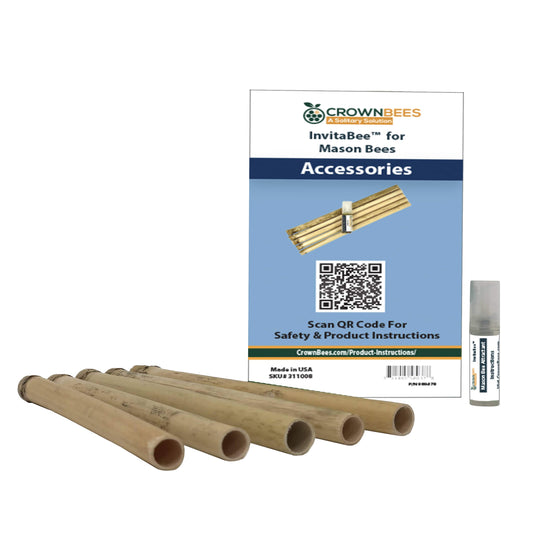
InvitaBee Mason Bee Attractant
Regular price $11.95Sale $11.95Unit price per -

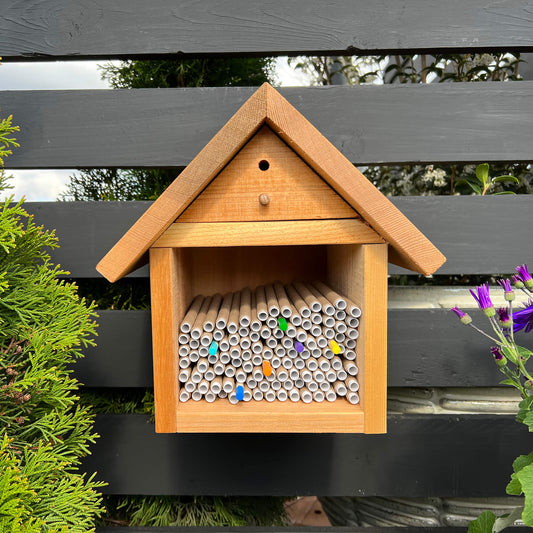
Chalet Cedar Bee House
Regular price $51.95Sale $51.95Unit price per -

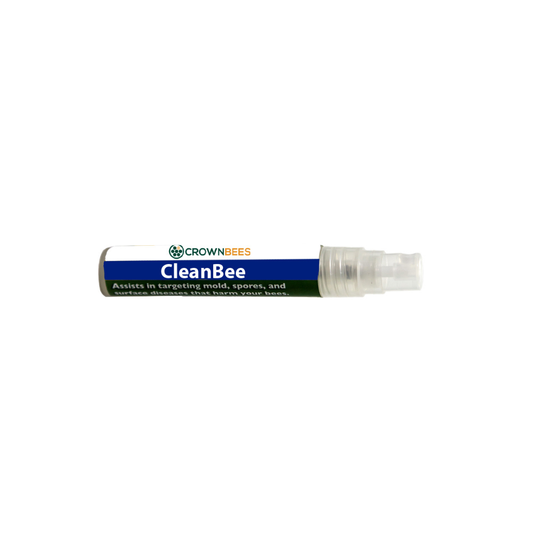
Clean Bee™ Solution
Regular price $13.95Sale $13.95Unit price per -

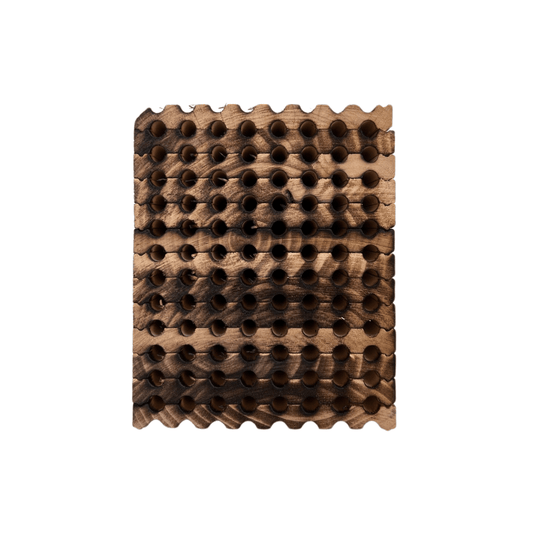
Spring Reusable Wood Trays for Mason Bees - 8mm
Regular price $45.25Sale $45.25Unit price per -
-

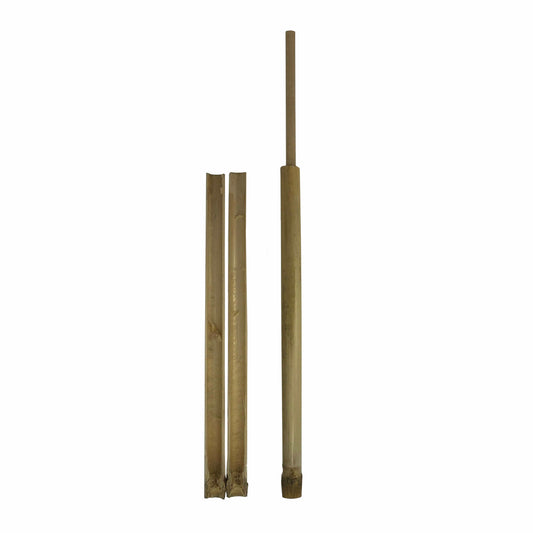
Cocoon Finder
Regular price $2.95Sale $2.95Unit price per -

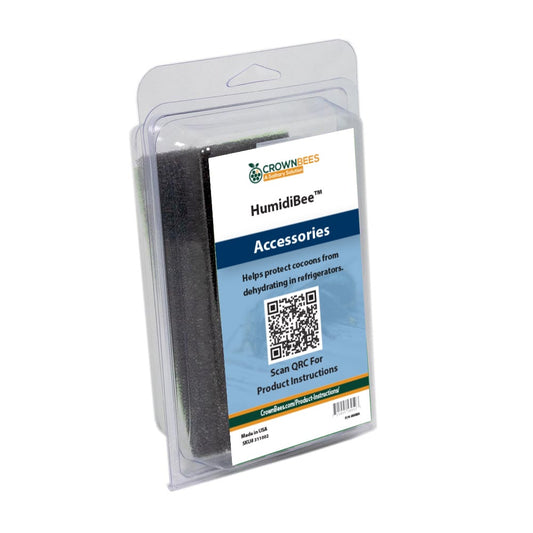
HumidiBee™ Cocoon Humidifier for Mason Bees
Regular price $11.95Sale $11.95Unit price per -

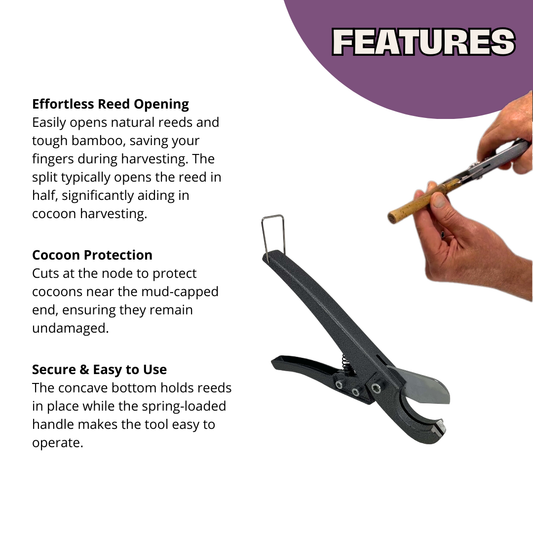
Reed Splitter
Regular price $15.95Sale $15.95Unit price per -

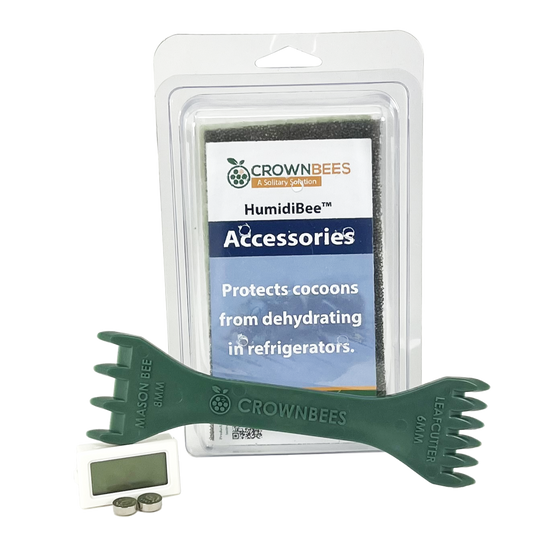
Cocoon Harvest Set
Regular price $27.95Sale $27.95Unit price per -

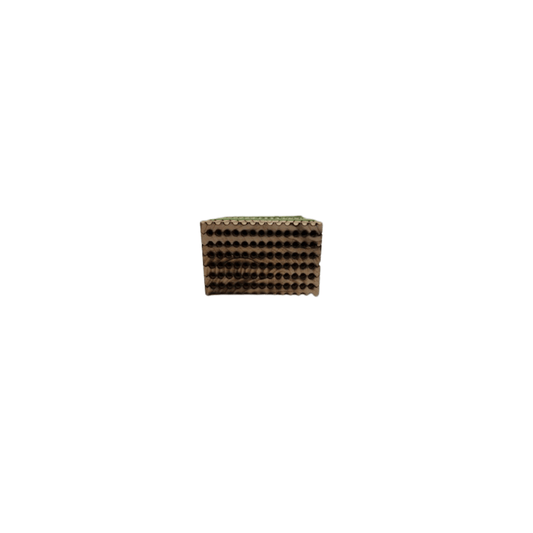
Reusable Wood Trays for Leafcutter Bees
Regular price $43.50Sale $43.50Unit price per




Collection: Live Bees as Pollinators
Choose live mason bees for sale around your spring bloom
Start planning when your fruit trees, berries or spring flowers are still in bud. The collection includes spring mason bee cocoons and the nesting supplies a first-time bee raiser needs. Check the live cocoon product for its shipping calendar and region before you order. Match delivery to bloom in your garden and the daytime conditions described on the product page.
Plan for spring flowers and a place to nest
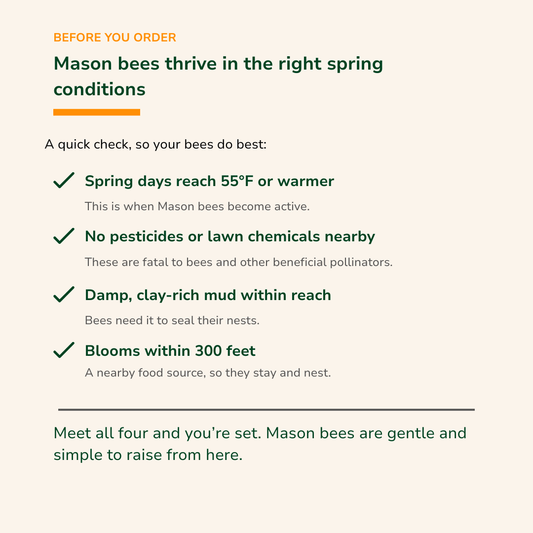
The Spring Mason Bee Cocoons come in a pack of 40. Choose the shipment date from the options on the listing. The supplier recommends timing shipment for spring bloom and daytime temperatures that hold around 55°F or warmer. Learn when the flowers open in your own yard and check the weather before picking a week.
Set up a place to nest before the cocoons arrive. The Chalet Cedar Bee House has a roof overhang and can hold nesting materials. Make sure you have a firm place to mount a house near flowers where it is easy to check. Follow the house and cocoon listings for placement. If you reuse a house, check the tray size and count the usable nesting holes.
Choose the nesting supplies for the bees you raise
The spring reusable wood trays have 8 mm channels intended for mason bees. The trays open for seasonal cleaning and cocoon collection. If you plan to raise leafcutter bees later, check the tray labeled for leafcutters. The collection offers separate nesting products for the two types of bees.
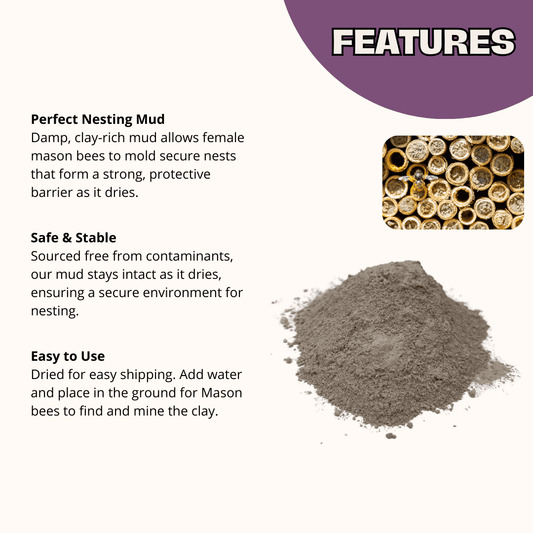
Mason bees also use clay-rich mud to divide their nest chambers. If your garden lacks a reliable source nearby, check the Mason Bee Mud Box and its placement instructions. Compare nesting materials and mud supplies first. Optional wayfinders can help you mark nesting areas if you have more than one opening or tray to observe.
Make room for end-of-season care
Choose nesting material you can open and inspect as the supplier directs. Reusable wood trays and natural reeds call for different ways to retrieve the cocoons. If you use reeds, compare the reed splitter and cocoon finder. If you use trays, check the steps for opening the trays and storing cocoons before you order extra accessories.
For a first order, list the cocoon pack, a house if you need one, nesting material that fits the house, and a mud source. Save the dates and instructions from the cocoon listing so you can check the plan again as bloom approaches.
Decide what to replace before a second season
Count the clean nesting holes in the house you already own before buying another tray. Check that the tray fits under the roof and can be removed for autumn care. If you already use reeds, look at how many you can replace and whether you have the tools you need to open them. Inspect your mount, mud source, and nesting area while the garden is still quiet.
If you tend an early orchard and a later flower bed, check when each area blooms. A spring mason bee order fits the spring bloom window. Make a separate plan for the summer garden and check which nesting materials fit that plan.