Alfalfa Meal vs Alfalfa Pellets: Which Should You Use in Your Garden?
Healthy soil needs steady nutrition, not just quick fixes. Many gardeners turn to alfalfa fertilizer because it improves soil while feeding plants over time. But choosing between alfalfa meal vs pellets can be confusing.
This guide explains the real differences between alfalfa meal vs alfalfa pellets, how each works in the soil, and how to choose the best option for your garden.

Why Alfalfa Works as a Fertilizer
Alfalfa comes from Medicago sativa, a plant rich in nutrients and natural growth compounds. Whether you use alfalfa meal or organic alfalfa pellets, both act as a slow release fertilizer.
They provide:
- Nitrogen for leafy growth
- Trace nutrients in small but useful amounts
- Organic matter that supports soil structure
One of the biggest benefits is improved microbial activity. Soil microbes break down alfalfa over a long time, releasing nutrients gradually and improving soil health.
Alfalfa also contains compounds often described as a natural growth promoter, which can support stronger plant development during the growing season.
Alfalfa Meal vs Pellets: What’s the Difference?
When comparing alfalfa pellets vs alfalfa meal, the main difference is form and how quickly each breaks down.
Alfalfa Meal
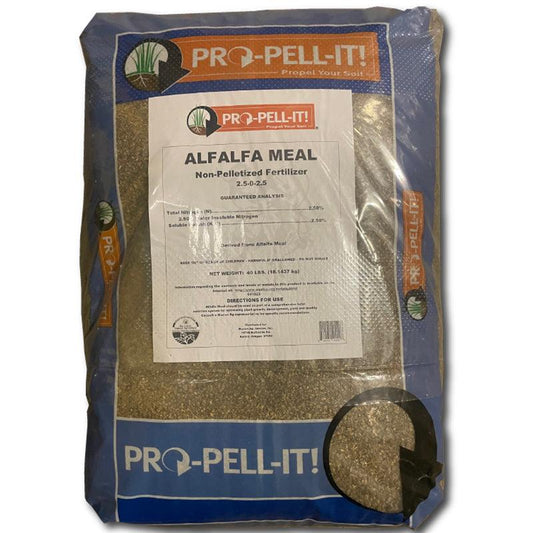
Alfalfa meal is ground into a fine texture. It spreads easily and begins working faster.
- Breaks down quickly
- Easy to mix into soil
- Ideal for raised beds and quick feeding
Alfalfa Pellets
Alfalfa pellets fertilizer is made by compressing alfalfa into small pieces. Many are sold as horse feed, often labeled 100 alfalfa.
- Dense and slower to break down
- Expands when wet
- Feeds soil over a longer period
You may also see related forms like alfalfa cubes or hay cubes, which are larger and used more for livestock than gardening.

Is Alfalfa Meal the Same as Alfalfa Pellets?
A common question is: is alfalfa meal the same as alfalfa pellets?
They come from the same plant, but they behave differently.
- Meal acts faster and blends into soil easily
- Pellets take longer but provide steady feeding
Both are effective, but your choice depends on how quickly you want results.
When to Use Alfalfa Meal
Alfalfa meal works best when you want faster soil improvement.
Best Uses
- Mixing into soil before planting
- Feeding crops during the growing season
- Improving soil in raised beds
Because it breaks down quickly, nutrients become available sooner.
When to Use Alfalfa Pellets
Alfalfa pellets for garden use are better for long-term soil building.
Best Uses
- Larger garden areas
- Long-term fertility planning
- Improving soil over time
Many gardeners use alfalfa pellets for gardening because they are easy to apply and last longer in the soil.

How to Use Alfalfa Meal and Pellets
Using Alfalfa Meal
- Spread over the soil surface
- Lightly mix into the top layer
- Water thoroughly
This allows microbes to begin breaking it down quickly.
Using Alfalfa Pellets
- Scatter pellets across the soil
- Water well so they expand
- Let them break down naturally
Many gardeners ask, do alfalfa pellets need to be soaked?
- Soaking pellets in warm water for about 30 minutes creates soaked alfalfa
- This helps them break apart faster and spread more evenly
However, soaking is optional. Pellets will still break down with regular watering.
Using Alfalfa Pellets Safely in the Garden
Because pellets are often sold as horse feed, it is important to check labels.
- Choose products labeled 100 alfalfa
- Avoid mixes designed for senior horses or animals with added ingredients
Using clean products ensures safe application when using alfalfa pellets as fertilizer.
Alfalfa Pellets in the Garden: What to Expect
Using alfalfa pellets in the garden or alfalfa pellets in garden beds provides steady benefits:
- Improved soil structure from added organic matter
- Gradual nutrient release
- Increased microbial life
This makes alfalfa pellets for fertilizer a reliable option for long-term soil health.

Choosing Between Alfalfa Meal and Pellets
When deciding between alfalfa meal vs pellets, think about your goals.
Choose Alfalfa Meal If You Want:
- Faster results
- Easy mixing into soil
- Quick nutrient availability
Choose Alfalfa Pellets If You Want:
- Longer-lasting soil improvement
- Fewer applications
- Gradual feeding over time
Both forms can be used together for balanced results.
Recommended Alfalfa Products
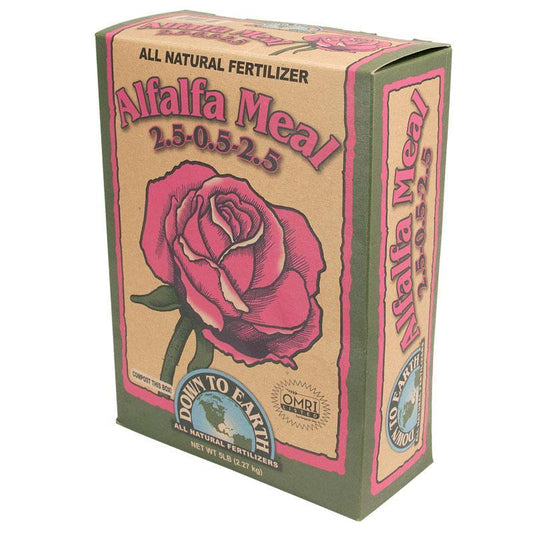
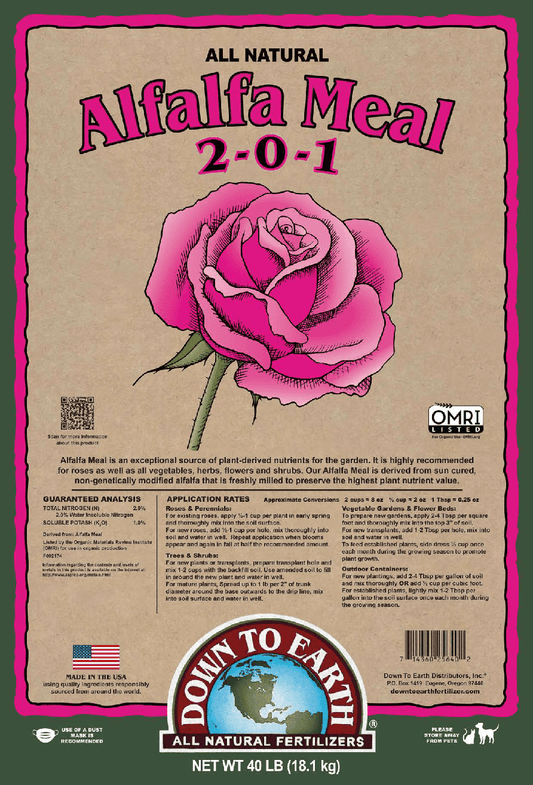
A great option for improving soil and feeding plants quickly, alfalfa meal is rich in nutrients and supports strong plant growth while enhancing soil structure.
- Ideal for small gardens and raised beds, the 4 lb size is easy to handle and perfect for targeted applications: Alfalfa Meal (4 lb Box)
- For larger spaces or long-term soil building, the bulk option provides excellent value and sustained soil enrichment: Alfalfa Meal (40 lb Bag)
- A practical choice for gardeners looking to build healthier soil over time, including use in compost or as a slow-release organic fertilizer.
Explore more options in our full range of organic fertilizers: Organic Fertilizer Collection
Conclusion
Both alfalfa meal and pellets are valuable tools for building healthy soil. The key difference comes down to speed and longevity.
Meal works quickly and is easy to apply, making it useful when plants need a fast boost of nutrients. Pellets, on the other hand, take longer to break down but provide steady nutrition over time, helping maintain soil fertility.
Because alfalfa contains high levels of beneficial compounds like nitrogen and trace minerals, it supports strong plant development. While feeding alfalfa is often discussed in the context of livestock and body weight management, these same nutrient-rich qualities are what make it effective for improving soil health.
With the right approach, either option can enhance soil structure, support plant growth, and create a more productive garden.
FAQs About Alfalfa Meal vs Alfalfa Pellets
Are alfalfa pellets the same as alfalfa meal?
How long does it take for alfalfa meal to break down in soil?
Will alfalfa meal attract rodents?
Are alfalfa pellets as good as alfalfa hay?
What are the key differences between alfalfa meal and alfalfa pellets?
Related Fertilizer Guidance
This page supports Fertilizer Types: Granular, Liquid, Soluble & Pelleted. Use that pillar for the complete decision process, then confirm the application with the current product label.