
Amaranth Love Lies Bleeding: Why This Unique Flower Stands Out in Any Garden
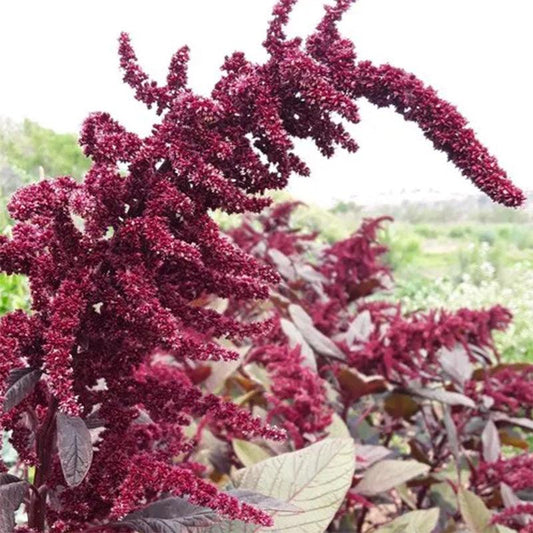
The love lies bleeding plant is one of the most eye-catching flowers you can grow. Known for its long, cascading red tassels, this plant adds movement and color to garden beds, borders, and even hanging displays.
This guide explains what makes amaranth love lies bleeding special, how to grow it successfully, and why it stands out among ornamental plants.

What Is Love Lies Bleeding Amaranth?
Amaranth love lies bleeding, also known as Amaranthus caudatus, is a warm-season annual plant originally from South America. It is often called a tassel flower, foxtail amaranth, or pendant amaranth because of its long, drooping flower strands.
Why It Stands Out
- Produces dramatic drooping flower tassels
- Grows tall, often reaching impressive height of 3 to 5 feet
- Thrives in a wide range of conditions, including poor soils
- Works well for garden displays and cut flowers
The unique flower heads make the amaranth flower love lies bleeding a standout in any garden.
How to Grow Amaranth Love Lies Bleeding
Learning how to grow amaranth love lies bleeding is straightforward, even for beginners. This plant is forgiving and grows well in warm conditions.
Planting and Timing
- Sow love lies bleeding amaranth seeds after the last frost date, when temperatures stay consistently warm
- Choose a location with full sun, at least 6–8 hours of direct sunlight each day
- Use loose, well-drained soil, meaning soil that does not stay soggy after watering. Good soil should feel crumbly, not compacted, and water should soak in rather than pool on the surface
- If your soil is heavy clay, mix in compost or organic matter to improve drainage
These plants prefer warm weather and will grow quickly once established.
Early Growth and Care
- Keep soil evenly moist during germination, watering lightly so seeds are not washed away
- Seeds usually sprout in about 7–14 days
- Thin amaranth love lies bleeding seedlings so plants are spaced about 10–18 inches apart. This improves airflow and reduces disease
- As plants grow taller, they may benefit from light staking in windy areas
Once established, plants become drought tolerant, meaning they can handle short dry periods without stress. However, watering during long dry spells will keep growth steady.
Proper amaranth love lies bleeding care ensures strong stems, healthy leaves, and long, flowing flower tassels throughout the growing season.

Growing Conditions for Best Results
This plant is known for being easy to grow.
- Prefers full sun for best flowering
- Grows well in average to poor soils
- Requires moderate watering, especially early on
The plant produces lush green leaves along tall stems, supporting long, flowing tassels.
It can also be grown in containers or even used in hanging baskets, where the trailing flowers can fully drape.
Is Love Lies Bleeding Amaranth Edible?
Many gardeners ask, is love lies bleeding amaranth edible?
Yes, amaranth love lies bleeding edible parts include:
- Young leaves, which can be cooked like greens
- Seeds, which are similar to other amaranth varieties
While it is often grown for its ornamental value, love lies bleeding amaranthus can also be used as a food plant in small amounts.
Recommended Amaranth Varieties
If you are interested in growing amaranth, consider these options:
- Love Lies Bleeding Amaranth Flower Seeds
- Ideal for dramatic, cascading blooms and ornamental use
Explore more varieties in this amaranth seeds collection.
For more on growing and using amaranth, see red amaranth from seed to table.
Conclusion
Growing love lies bleeding adds both beauty and function to your garden. With its striking love lies bleeding amaranth flower and adaptability, it performs well in a wide range of conditions.
Whether you grow it for ornamental interest, edible leaves, or seed, this plant is a reliable and rewarding addition to any garden space.