

Cultural Requirements
Artichokes are native to the Mediterranean. In warm areas, such as California (zones 8 & 9), artichokes can be treated as perennials and left in the ground for 6–7 years until they need to be divided.
In colder regions, artichokes will die back to the ground, but may survive as perennials if the roots don’t freeze in a prolonged freeze. Help protect your roots from winter freeze by mulching heavily. Plants grow 4-feet high and 6 to 8 feet wide with silvery-green leaves. Artichokes form from big flower buds and if left to grow, will blossom into beautiful, purple ornamental flowers.
Heeling In
When your nursery stock arrives, it is best to plant them right away. If you cannot plant immediately (within a week of delivery), remove plastic bags that cover and keep the roots moist during shipment, and store them in a cool moist place like a root cellar or basement, making sure the roots stay moist and do not freeze. Or, you can “heel in” the plants to protect them.
To heel in bare root plants outside, pick a location that is shielded from wind. Dig a trench with one side sloping and the other side vertically straight. Place the plants so that the roots are pointed toward the vertical side and the trunks/stems are supported by the sloping side. Cover the roots with soil and tamp it down to avoid air pockets. Heeling in should protect your plants until you are ready to plant.
If you are unable to heel them in outside due to extremely cold temperatures, you can place the plants in a box with moist sawdust (do not, however, use cedar sawdust which is combustible) or dirt (by far the best and safest medium) covering the roots to hold them over. If using sawdust, be sure to carefully and regularly monitor the temperature to prevent “cooking” the roots if the sawdust starts to compost. The best preventative measure is to regularly water and aerate the pile without allowing the temperature to rise.
Planting & Growing Instructions
Plant roots in winter (warmer climates) or in spring (cold areas). Plant crowns 6 to 8 inches deep and 6 ft apart in well drained soil, rich in organic matter. If treating as annuals, use closer spacing between plants. Protect with shade in hot areas (soil temperatures above 85°F will prevent bud-setting).
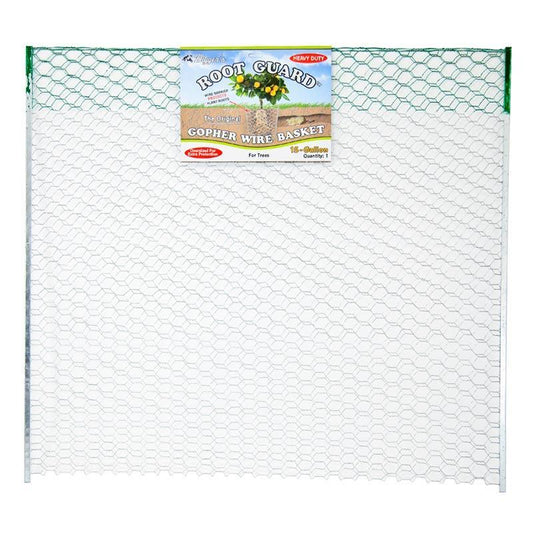
After growth starts, water thoroughly once a week, wetting entire root system. Susceptible to aphids, snails, slugs and gophers. Use Peaceful Valley’s gopher baskets or wire in areas where gophers are a problem. Harvest buds while they are tight and plump. While the flower buds are the most commonly used part of the plant, other parts of the artichoke can also be enjoyed in the kitchen. If you’d like to make the most of your harvest, explore our guide on the culinary uses of artichoke leaves and stems for creative ways to prepare these often-overlooked parts of the plant.
When leaves start to yellow, cut off old stalks near the ground. In cold winter areas, cut tops to 1 ft in fall. Attention: There may be some white mold on your artichoke bare root transplants. This will not affect the viability of these transplants. This is a natural side effect of how they are stored (in a moist bed of pine shavings). If you question the viability please call us before planting or returning the transplants.
Conclusion
Growing artichokes successfully depends on understanding their Mediterranean origins and providing the right conditions for healthy development. With proper planting, adequate spacing, well-drained soil, and consistent watering, artichokes can thrive as productive plants in many climates.
Protecting roots during cold weather, monitoring for pests, and harvesting buds at the right stage will help ensure strong plants and high-quality yields. With the right care, artichokes can be both a productive crop and an attractive addition to the garden.
2 comments
Joann, right now all we have are artichoke seeds. We are still looking for a new supplier of bare root artichoke crowns. You can check back next year with us.
Do you sell bear root plants? Spring or Fall