

Fruit tree pollination planning begins with four questions:
- Is the variety self-fruitful?
- If it needs another tree, which cultivars are genetically compatible?
- Do their bloom periods overlap?
- Will pollinating insects be active and able to move between them?
Use this guide to understand those requirements, then confirm the pollinizer information shown on each individual product page before ordering.
Planning a compatible group of trees? Try the Bare Root Orchard Planner to see required pollinizer partners alongside climate and spacing checks.
Browse bare root fruit and nut trees or start with the Bare Root Tree Selection Guide to consider pollination alongside chill hours, hardiness, rootstock, mature size, and harvest season.
Pollinator vs. Pollinizer: What Is the Difference?
- Pollination is the transfer of pollen to a flower’s receptive stigma, allowing fertilization and seed development.
- A pollinizer is the plant or cultivar that supplies compatible pollen.
- A pollinator is the agent that moves pollen. Bees and other insects perform most fruit-tree pollination; some nut trees rely substantially on wind.
- Self-fruitful or self-compatible means a cultivar can set fruit with its own pollen, although another compatible cultivar may improve yield or consistency in some cases.
- Self-unfruitful or self-incompatible means a cultivar needs compatible pollen from a genetically different cultivar.
Having flowers with both male and female structures does not automatically make a cultivar self-compatible. Genetic compatibility determines whether its pollen can successfully fertilize the flower.

The Four Requirements for Cross-Pollination
- Compatible cultivars: Two trees of the same named cultivar are genetically alike and generally do not provide cross-pollination. The partner must be identified as compatible.
- Overlapping bloom: Both cultivars must have receptive flowers open at the same time. “Early,” “midseason,” and “late” bloom categories are useful guides, but weather can shift bloom timing by location and year.
- Viable pollen: Some cultivars are weak or ineffective pollen donors. For example, certain triploid apples may produce fruit when pollinated but are poor choices for pollinating another apple.
- Pollen movement: Pollinating insects must be able to move between open flowers. Cool, rainy, or windy bloom weather can reduce their activity and fruit set.
How Close Should Pollinizer Trees Be?
There is no single distance that applies to every crop, site, and pollinator population. For a home orchard, placing compatible trees within roughly 50 to 100 feet is a practical target when space allows. Closer placement can improve the odds that insects visit both trees during the same trip. Nearby compatible trees or crabapples may contribute pollen, but relying on an unseen neighborhood tree is less dependable than planting a verified partner.
Buildings, fences, prevailing wind, slope, pesticide exposure, and the abundance of flowering plants can all affect insect movement. Review the fruit tree location guide before deciding where each tree will go.
General Pollination Patterns by Fruit Type
These are common patterns, not substitutes for variety-specific information:
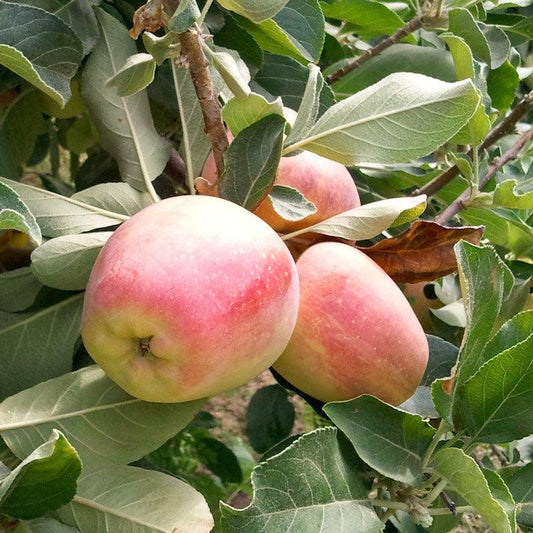
- Apples: Most benefit from or require pollen from a different compatible apple or crabapple with overlapping bloom. Some cultivars are poor pollen donors.
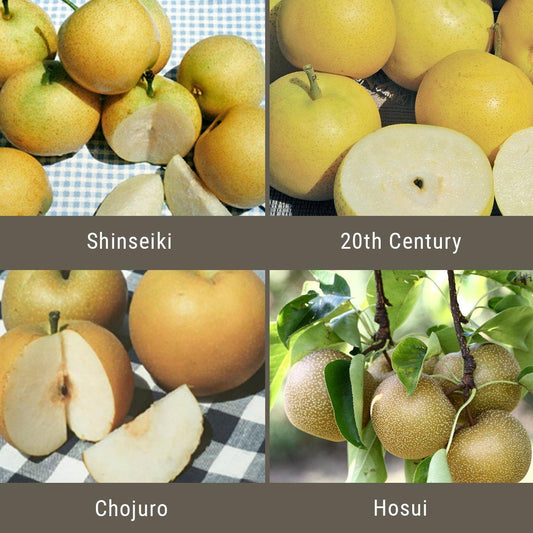
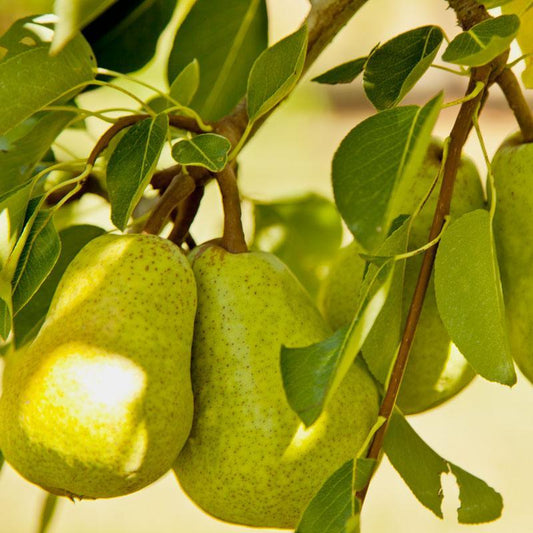
- Pears: Two compatible cultivars are generally recommended. Asian and European pears can sometimes overlap, but bloom timing often limits dependable cross-pollination.
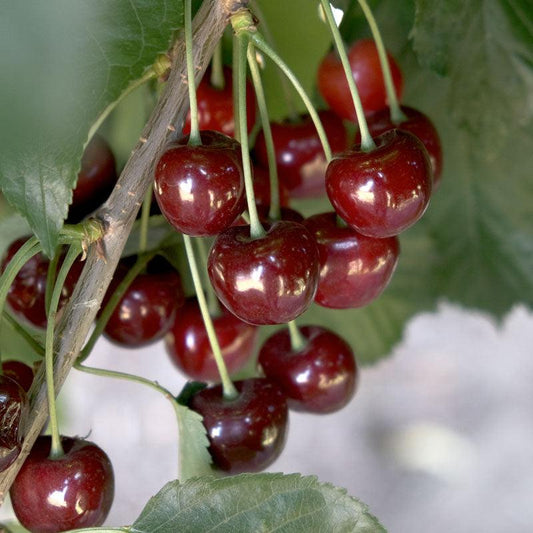
- Sweet cherries: Many require a compatible cultivar from a different compatibility group that blooms at the same time. Some cultivars are self-fruitful.
- Tart cherries: Many are self-fruitful, although requirements remain cultivar-specific.
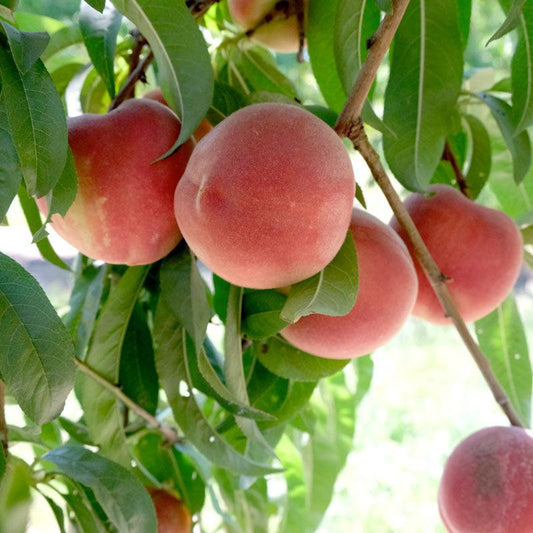
- Peaches and nectarines: Many common cultivars are self-fruitful, but exceptions exist and another compatible cultivar may improve fruit set.
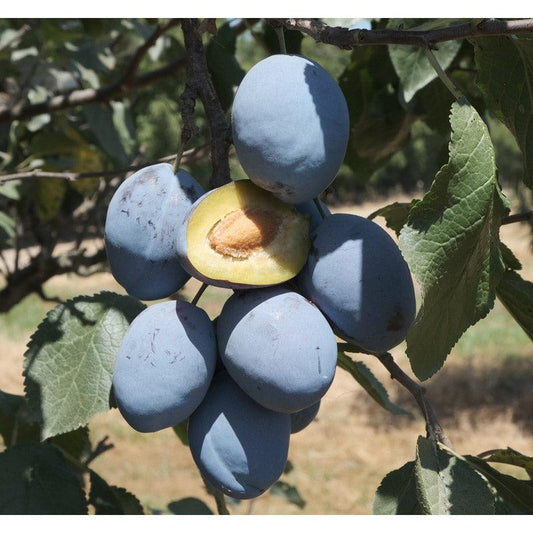
- Plums and interspecific hybrids: Requirements vary widely. Japanese, European, hybrid plums, pluots, and related interspecific fruit should be matched using the exact cultivar recommendation rather than fruit name alone.
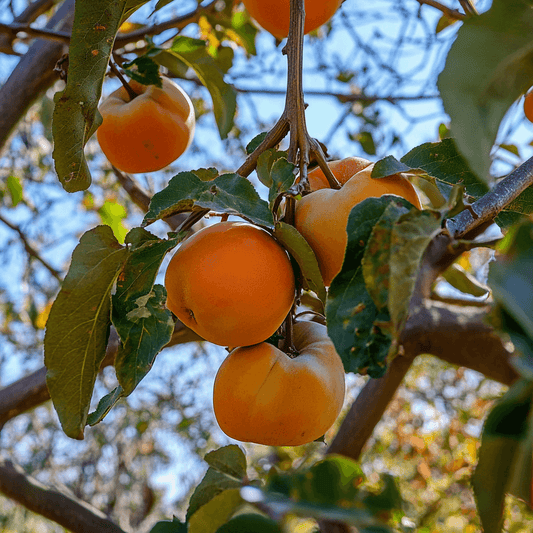
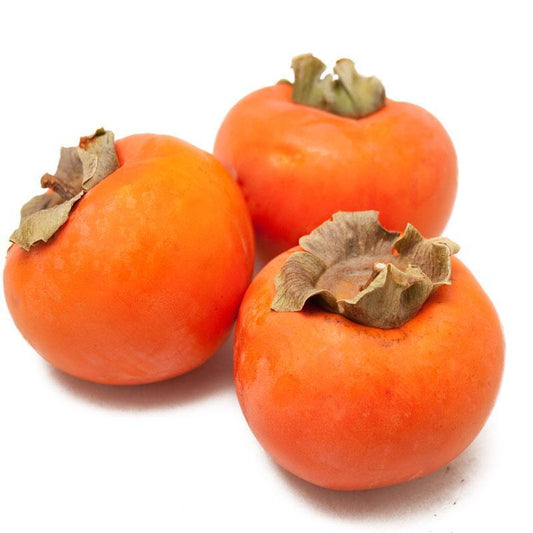
- Apricots, persimmons, figs, and nut trees: Pollination behavior varies by crop and cultivar. Some set fruit alone; others need compatible cultivars, male and female plants, or wind-carried pollen.
Use the pollination information on each GrowOrganic product page as the primary shopping reference. When a named partner is listed, choose from that recommendation rather than relying only on the general patterns above.
Choosing Compatible Trees Step by Step
- Open the product page for the variety you want.
- Find whether it is self-fruitful or requires a pollinizer.
- If a partner is required, note the compatible varieties listed on the page.
- Confirm that both trees are suitable for your USDA zone and local winter chill.
- Compare bloom periods—not harvest dates. Trees can ripen at different times and still pollinate one another if bloom overlaps.
- Verify that neither choice is identified as an ineffective pollen donor for the other.
- Plan enough space for both rootstocks at mature size and place them within practical pollinator range.
Options When Space Is Limited
- Choose a self-fruitful cultivar. This is often the simplest solution for a one-tree planting, but still confirm the exact variety.
- Consider a multi-graft tree. Multiple cultivars on one rootstock can provide compatible bloom partners when the grafts are properly matched. Each graft must be maintained through balanced pruning.
- Use a nearby compatible tree cautiously. A neighbor’s tree or crabapple may work if it is close enough and blooms at the same time, but its cultivar and continued presence may be uncertain.
- Add a pollinizer branch. An experienced grower can graft a compatible cultivar onto an established tree, provided both compatibility and bloom timing are appropriate.
For multi-graft planning, see How to Balance and Prune a Multi-Graft Fruit Tree.
Support Bees and Other Pollinating Insects
A compatible pollen source is only useful when pollen reaches receptive flowers. Maintain flowering plants that support pollinating insects before and after orchard bloom, provide pesticide-free habitat where practical, and avoid applying insecticides to open blossoms or when bees are actively foraging. Always follow the product label.
Cold, rain, wind, frost, or limited bee activity during bloom can reduce fruit set even when compatible trees are present. Pollination is therefore one part of orchard success—not a guarantee of a crop.
Learn more in Attracting Pollinators to the Garden.
Common Pollination Planning Mistakes
- Planting two trees of the same cultivar and assuming they will cross-pollinate.
- Matching by fruit type without checking genetic compatibility.
- Comparing harvest dates instead of bloom periods.
- Assuming every “self-fruitful” cultivar will crop equally well alone in every climate.
- Using a triploid or otherwise poor pollen-producing cultivar as the only partner.
- Relying on a distant or unidentified neighborhood tree.
- Confusing poor pollination with frost injury, inadequate chill, immature trees, pruning, or other causes of low fruit set.



5 comments
Sharon, we do not sell pollinating kits. You can use a small paint brush to pollinate the blooms if you do not have other pollenizers in your garden like bees, flies, butterflies…
I am in desperate need of a few flowers or a polinating kit for my Orca pear tree that has bloomed earlier than my other pear trees. The flowers wont last much longer.
I have gravenstein, fuji, arkansas black, red and Goldens, a white flowering crabapple will solve all your pollination needs, they give alot of flowers and you can trim it short
Jo, I believe a Gravenstine is an apple tree. There are several apples that will pollinate the apple. Pollinated by Empire, Fuji, Gala, Red Delicious. If your neighbors have one of these, and they are within about 50-100 feet then, it may get pollinated. Otherwise you do need one of those apples to pollinate the tree.
Just brought home a Gravenstine tree to plant. I need a pollinator. Will a pear tree act as such? I didn’t know about the pollination until I was leaving the Nursery. I am not excited about a CRAB apple tree – planting in my yard. The neighbor has three vine apple trees – will that work? They are across the street. Thank you for any help you can provide.