
Bunching Onions vs Bulb Onions: A Complete Growing Comparison for Gardeners
Onions are one of the most versatile crops you can grow in a home garden. Some types produce large underground bulbs, while others are harvested for their green tops. Understanding the difference between these types helps you choose what to plant and how to grow them successfully.
This guide explains how each type grows, how to plant onions, and what to expect throughout the growing season.
If you are new to onion growing, start with this guide on Master the Art of Growing Onions from Seed.

What Are Bunching Onions?
Many gardeners ask, what are bunching onions and how they differ from regular onions.
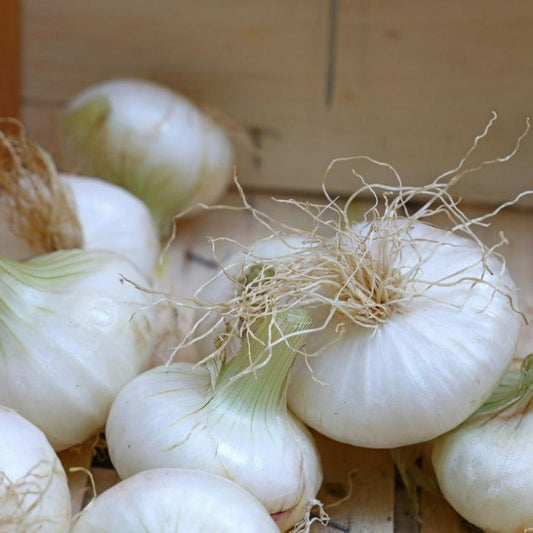
A bunching onion belongs to the species Allium fistulosum. Unlike bulbing onions, it does not form large bulbs. Instead, it produces slender stalks with small white bases, often mistaken for green onion bulbs.
Key Traits
- Grown from bunching onion seeds
- Produce clusters rather than single bulbs
- Have a shallow root system
- Can be harvested multiple times
An example is the evergreen bunching onion, which is widely grown because it is reliable and easy to grow in many climates.
What Are Bulb Onions?
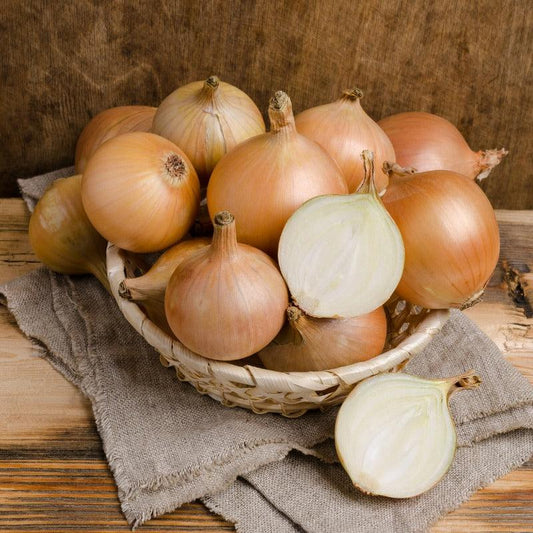
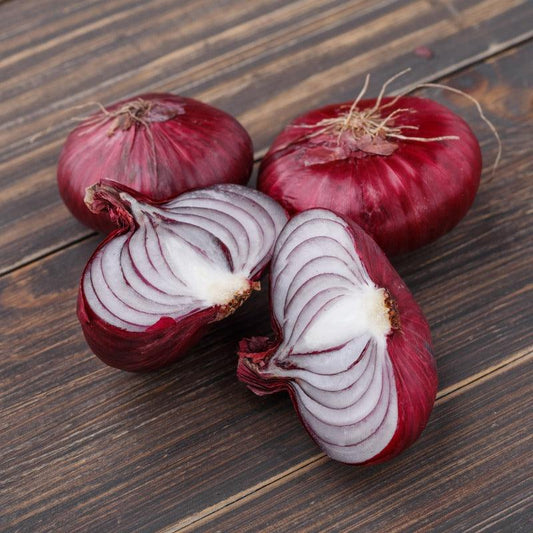
Bulb onions are the traditional onions grown for their large underground bulbs. These include yellow, white, and red onions, as well as storage varieties.
They are commonly grown from onion seed or garden onion bulbs (also called sets).
Key Traits
- Produce large, round onion bulbs
- Depend on day length, such as long day onions or short day onions
- Usually harvested once per season
These are also called bulbing onions, since the main goal is bulb development.

Growth Differences: Bulbs vs Clusters
The biggest difference is how the plants grow.
Bulb onions produce one main bulb per plant. This is why gardeners often ask, how many onions grow from one bulb. In most cases, one bulb grows from each planted onion.
In contrast, bunch-type onions form clusters, sometimes called bunch onions, producing several shoots from a single plant.
How to Plant Onion Bulbs vs Seeds
Learning how to plant onion bulbs is different from growing onions from seed.
Growing From Seed
When starting with seeds instead of bulbs, the process takes a bit more time but gives you more control over your plants.
-
Sow seeds once the soil can be worked
- This usually means early spring, when the soil is no longer frozen or too wet. Loose soil helps roots develop properly.
-
Plant seeds shallowly
- Sow seeds about ¼ to ½ inch deep. Onion seeds are small, so avoid planting too deep or they may struggle to sprout.
-
Thin seedlings early
- Once seedlings appear, thin them so plants have enough space. Crowded plants compete for nutrients and may produce small bulbs or weak growth.
-
Keep soil evenly moist
- Onion seeds need steady moisture to germinate. Dry soil can slow or stop growth, especially in the early stages.
-
Be patient with growth
- Seed-grown onions take longer to mature than sets, but they often produce better-quality bulbs.
This method works especially well when growing bunching onions, since they establish quickly from seed and can be harvested over a long period. It is also useful for starting bulb onions early in the season.
Growing Conditions for Best Results
Both types of onions grow best when basic conditions are consistent and balanced.
-
Plant in full sun
- Onions need at least 6 to 8 hours of sunlight daily. More sun helps plants develop strong leaves, which support bulb growth.
-
Use loose, well-drained soil
- Heavy or compacted soil can limit root growth. Loose soil allows bulbs to expand properly and prevents misshapen onions.
-
Improve soil with compost
- Adding compost helps retain moisture while improving drainage. It also provides nutrients for steady growth.
-
Water regularly but avoid overwatering
- Keep soil moist but not soggy. Too much water can lead to rot, while too little can slow growth and reduce bulb size.
-
Use raised beds if needed
- Raised beds improve drainage and warm up faster in spring. This is helpful in areas with heavy soil or frequent rain.
-
Watch plant spacing
- Proper spacing helps bulbs reach full size. Crowded plants often produce smaller bulbs or uneven growth.
Bulb onions need more careful timing because they rely on day length to form bulbs. When growing bunching onions, you have more flexibility, since they do not depend on bulbing and are more forgiving for beginners.

Growing Conditions for Best Results
Both types of onions share similar needs.
- Plant in full sun
- Use loose, well-drained soil
- Add compost to support steady growth
Onions perform well in raised beds, especially where drainage is an issue. Healthy soil supports both leaf growth and proper bulb formation.
Bulb onions require more attention to timing and day length, while bunching types are more forgiving.
Choosing the Right Onion for Your Garden
The best choice depends on how you plan to use them.
- Choose bulb onions for storage and larger harvests
- Choose bunching types for fresh use and repeated harvest
For reliable options, explore this collection of organic onion seeds.
For detailed planting advice, see this onion growing guide.
Recommended Onion Options
Selecting the right onion variety improves success in any home garden.
-
Evergreen Bunching Onion Seeds (Organic)
- A dependable option for fresh harvests throughout the growing season
-
Walla Walla Onion Seeds (Organic)
- A sweet onion suited for long day conditions
-
Onion Sets Dutch – Yellow Stuttgarter (Pack of 75)
- A strong choice for growing onion bulbs with consistent results
Conclusion
The difference between bunching types and bulb onions comes down to growth and harvest. Bulb onions produce a single large bulb, while bunching types produce clusters of tender green shoots.
By understanding how to plant, grow, and manage each type, you can choose the right onions for your space and enjoy a steady harvest throughout the season.