Bush Beans vs Pole Beans: A Complete Guide to Yield, Garden Space, and Harvest Schedule
Beans are one of the most reliable crops in a home vegetable garden. But when comparing bush beans vs pole beans, the choice affects your space, harvest timing, and overall management. Both belong to Phaseolus vulgaris, yet their growth habit and production style are different.
This guide explains the difference between bush beans and pole beans so you can decide what works best in your garden.

Understanding Growth Habit and Structure
The main difference between pole beans and bush beans is how they grow.
Bush Beans
Bush beans form compact bush bean plants, usually 1 to 2 feet tall. They do not climb and do not need support. Because of their tidy growth habit, they work well in raised beds and small spaces.
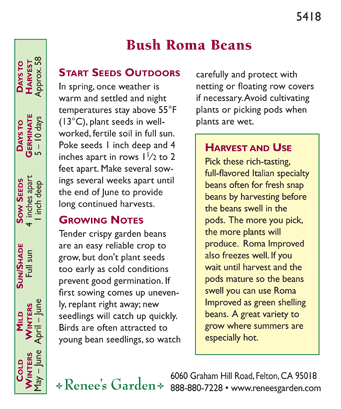
Most bush varieties mature quickly, often around 60 days. They produce beans in a concentrated flush over two to three weeks. If you want a large harvest at once for freezing or canning, bush beans are practical.
Examples include:
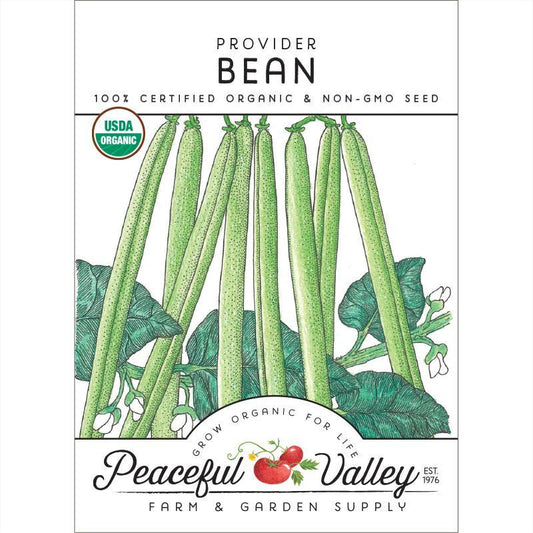
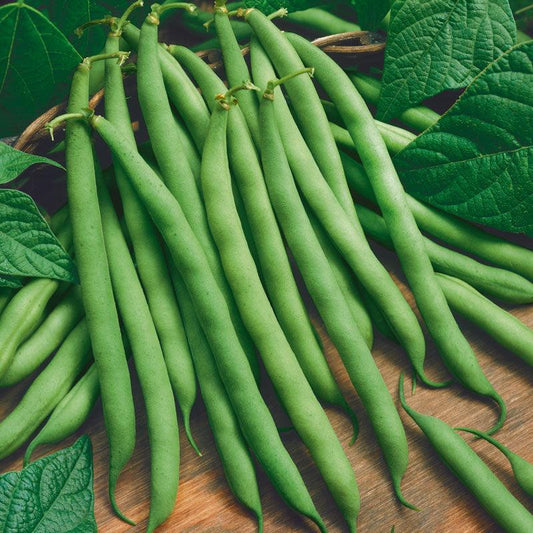
- Provider Bush Bean (early and dependable)
- Tendergreen Bush Bean (classic snap bean)
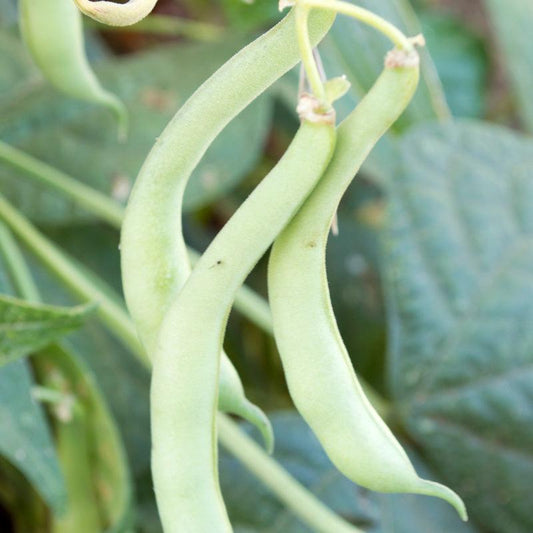
- Roma Improved (meaty Italian-style string bean)
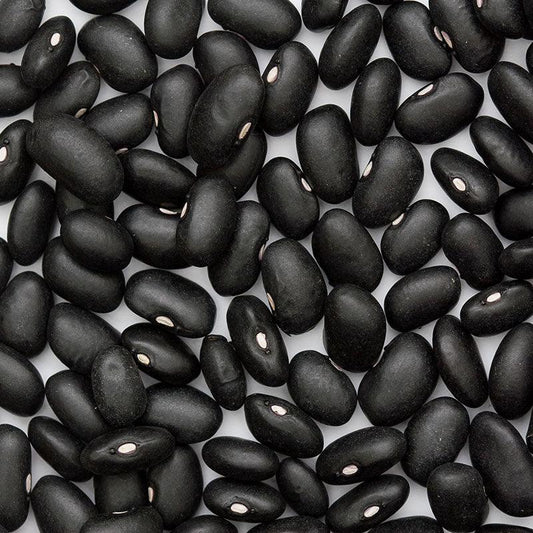
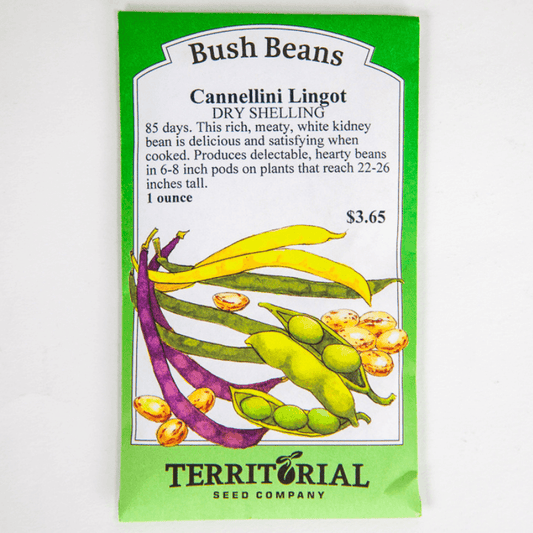
- Cannellini and Black Turtle (dry bean types)
Explore more options in our full collection of bean seeds.
Pole Beans
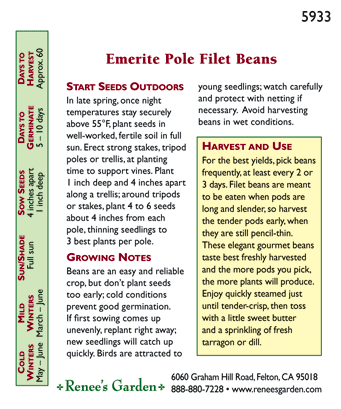
Pole beans grow pole beans on long vines that climb 6 to 10 feet. They require trellises or stakes. If you want vertical production, see these innovative vertical gardening techniques for beans.
Pole beans mature slightly later but continue to produce beans over many weeks. In the pole beans vs bush beans comparison, this extended harvest is a major advantage.
Popular pole varieties include:
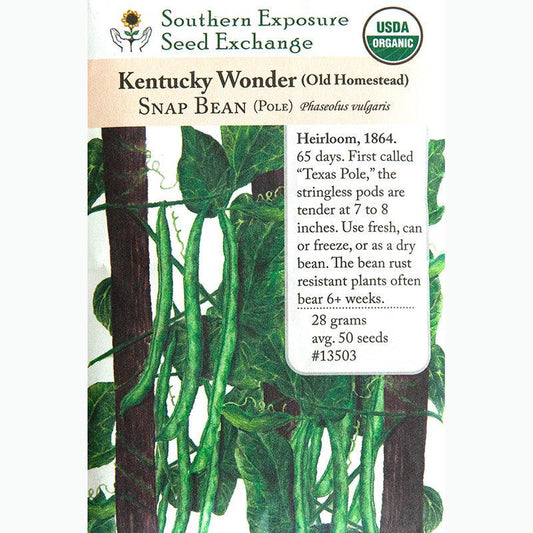
- Kentucky Wonder
- Emerite Filet
- Blue Lake climbing types
When gardeners debate pole vs bush beans, harvest timing often makes the decision.

Yield and Harvest Schedule
In the bush vs pole beans discussion, yield depends on your goals.
Bush beans produce a heavy, short harvest. Succession planting every two to three weeks keeps bean harvests coming.
Pole beans produce steadily until heat or frost slows them. If you want fresh snap bean harvests throughout summer, grow pole beans.
The difference between bush beans vs pole beans is not just total yield, but how and when they produce beans.
Planting and Growing Conditions
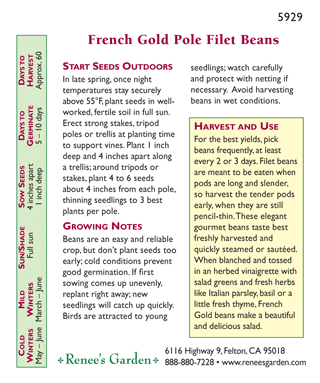
Both types prefer full sun, drained soil, and warm conditions. Wait until the frost has passed and soil temperature reaches at least 60°F before planting. Cold soil can cause seeds to rot.
To plant bush beans, sow seeds 1 inch deep and 2 to 4 inches apart. For pole beans, space seeds at the base of supports.
For detailed instructions, see our step-by-step article on how to grow beans.
If you garden in tight quarters, review tips on urban gardening with beans.

Bush Beans vs Pole Beans Seedlings
When comparing bush beans vs pole beans seedlings, they look similar at first. The difference appears after a few weeks.
Pole bean seedlings send out twining stems and begin climbing. Bush bean seedlings remain compact and upright. The growth habit becomes clear early.
A bush bean vs pole bean identification rule is simple: if it climbs, it is a pole bean.
Types of Beans and Special Cases
Most snap beans and dry beans are Phaseolus vulgaris. However, runner beans are usually Phaseolus coccineus and are always vining.
Broad Windsor Fava Beans are a cool-season crop and not the same type of beans. Learn more about fava beans as cover crops.
To explore unusual bean varieties, see our guide to exploring unique bean varieties.
Beans also benefit from smart rotations and companion planting. Review companion planting for thriving bean crops or climate strategies in climate-resilient bean farming practices.
Conclusion
When choosing between bush beans vs. pole beans, consider space, support, and harvest style—especially if you’re growing green beans for fresh eating or preserving.
Choose bush beans for compact plants and quick harvests. They typically mature earlier and produce most of their crop within a shorter window, making them ideal if you want beans ready to harvest all at once. Choose pole beans for vertical growth and extended production; they require trellises or stakes but continue producing over a longer season. The difference between bush and pole beans is mainly growth habit and timing, not difficulty.
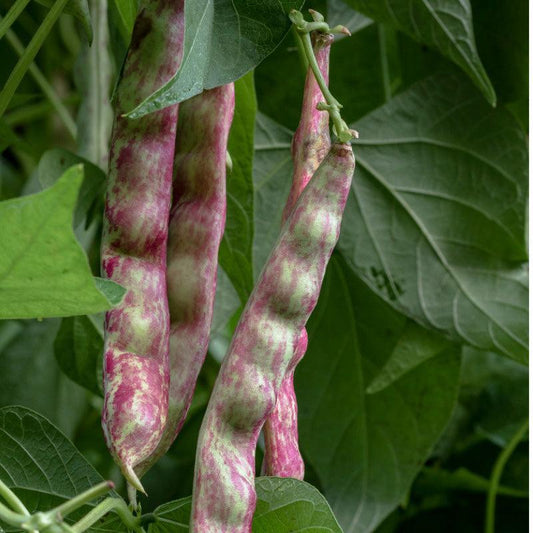
Some varieties also add visual interest. For example, dragon's tongue is a bush-type bean with creamy yellow pods streaked in purple. The purple markings fade and turn green when cooked, while the pods remain tender and flavorful.
With warm soil temperatures (at least 60°F for good germination), well-drained soil, and regular picking, both bush and pole types can perform well in your vegetable garden.
FAQs Pole Beans vs Bush Beans
How to tell if your beans are bush or pole?
What is the difference between pole and bush beans?
What is another name for pole beans?
What are pole beans?
Which is better, pole or bush beans?
Can bush beans turn into pole beans?
How to identify pole beans?
Are pole beans or bush beans more heat tolerant?
Plan your next bean crop
For planting depth, spacing, support, watering, and harvest guidance, continue with our bean growing guide. Then compare bush, pole, snap, shelling, and dry types in the bean seed collection.