
Can You Grow Carrots Hydroponically? Can You Do Hydroponic Carrots as a Home Gardener?
Carrots are classic root vegetables, and most gardeners are used to growing them in loose, sandy beds. That makes it reasonable to ask: can you do hydroponic carrots, or are carrots simply not suited to growing without soil? The idea of hydroponic carrots can feel counterintuitive, but with the right setup and expectations, it is possible for home gardeners to succeed.
This article explains whether you can grow carrots hydroponically, how hydroponic systems support root crops, the issues gardeners commonly face, and how to decide if this method makes sense for your space.

Why Consider Growing Carrots Hydroponically?
Hydroponics replaces traditional soil with water, nutrients, and a structured growing medium. For gardeners dealing with compacted soil, heavy clay, pests, or limited outdoor space, hydroponics offers a controlled alternative.
When growing carrots hydroponically, gardeners can manage moisture, nutrients, and temperature more precisely than in soil based beds. This can reduce some soil-borne problems and make indoor growing possible year-round. However, carrots are not as forgiving as leafy greens, so understanding their needs is essential before you start growing.
Can Carrots Be Grown Hydroponically?
Understanding Root Crops in Hydroponics
A common question is can carrots be grown hydroponically, or even more specifically, can carrots grow in hydroponics without soil resistance to push against? The answer is yes, but only under the right conditions.
Carrots need depth and stability to form straight roots. In hydroponics, this means choosing containers and systems that allow roots to extend downward. Shallow systems designed for lettuce often fail with carrots, leading to forked or stunted roots.
So if you are asking can carrots be grown in hydroponics or can carrots grow hydroponically, the key requirement is root space. When that need is met, carrots grown hydroponically can develop normally.

Choosing the Right Hydroponic System
Types of Hydroponic Systems That Work
Not all types of hydroponic systems work for carrots. The best systems give roots space and airflow.
Good options include:
- Media-based containers filled with loose growing medium like coco coir or perlite
- Modified deep water systems with tall chambers
- Certain vertical farming hydroponic carrots setups with deep channels
NFT systems are usually too shallow. Roots crowd the space, and carrots stay small.
If you want to grow carrots hydroponically at home, start with a simple container system. It is the easiest type of hydroponic setup for beginners.
How to Grow Carrots Hydroponically
Getting Started Step by Step
Always sow carrot seeds directly into the final growing container. Do not transplant, as disturbing the taproot can cause forked or misshapen carrots.
Here is how to grow carrots in a hydroponic system step by step:
- Fill your container with a loose, well-draining growing medium such as coco coir, perlite, or a coco-perlite mix. Make sure the container is at least 8–12 inches deep.
- Sow seeds ¼ inch deep and lightly cover them. Keep the medium consistently moist during germination (usually 7–14 days).
- Provide steady moisture once seedlings emerge. The medium should stay evenly damp but never waterlogged.
- Begin feeding with a balanced hydroponic nutrient solution at light strength once true leaves appear. Maintain a pH of 6.0–6.5 and moderate nutrient levels.
- Monitor light and temperature to keep conditions stable and avoid stress that can affect root development.

Nutrient Solution and Root Development
Feeding Carrots Without Soil
In hydroponics, carrots rely completely on the nutrient solution, so balance is essential. Too much nitrogen produces large leafy tops but small or misshapen roots.
Use a balanced hydroponic nutrient formula suitable for root crops. Carrots need:
- Moderate nitrogen (N) for steady leaf growth
- Adequate phosphorus (P) to support root development
- Good levels of potassium (K) for root size and plant health
- Calcium and magnesium to prevent deformities
- Essential micronutrients like iron and boron
A general-purpose hydroponic formula works well if you avoid high-nitrogen “leafy green” blends.
Recommended ranges:
- EC: 1.2–1.8
- pH: 6.0–6.5
If carrots are forked or thin, check container depth (at least 8–12 inches), nutrient strength, and pH levels.
Light and Temperature Requirements
Growing Hydroponic Carrots Indoors
Carrots need consistent light but not extreme intensity.
Best light source:
- Full-spectrum LED grow lights
- T5 fluorescent grow lights (for small systems)
Light duration:
- 12–16 hours per day on a timer
Place lights about 6–12 inches above the plants and adjust as they grow.
Carrots prefer cool conditions.
Ideal range:
- Air temperature: 60–70°F (16–21°C)
- Nutrient solution temperature: 60–68°F (16–20°C)
Temperatures above 75°F (24°C) can reduce sweetness and slow root development.
If you want a soil comparison, this guide on growing carrots successfully explains how carrots behave in both soil and hydroponics.

Common Problems and How to Fix Them
Issues Gardeners Encounter
When carrots fail in hydroponics, the cause is usually structural rather than biological.
Common issues include:
- Forked roots due to dense growing medium
- Excess leaf growth from high nitrogen
- Bitter flavor from heat stress or imbalance
If roots remain small, review container depth and nutrient ratios. Flavor issues often trace back to temperature and nutrient consistency.
Is Hydroponic Carrot Farming Practical at Home?
Hydroponic carrot farming is possible, but it requires patience. Compared to soil based methods, hydroponics demands closer monitoring and adjustment.
For gardeners who enjoy experimenting, carrots hydroponics can be a rewarding project. Others may prefer to grow carrots in soil outdoors while using hydroponics for greens and herbs.
Many gardeners blend approaches, growing carrots in raised beds while testing carrots grown hydroponically indoors during colder months.
Best Carrot Varieties for Hydroponic Systems
Short varieties perform best in hydroponics carrots systems. Long carrots need deeper containers.
These options are excellent for growing carrots hydroponically:
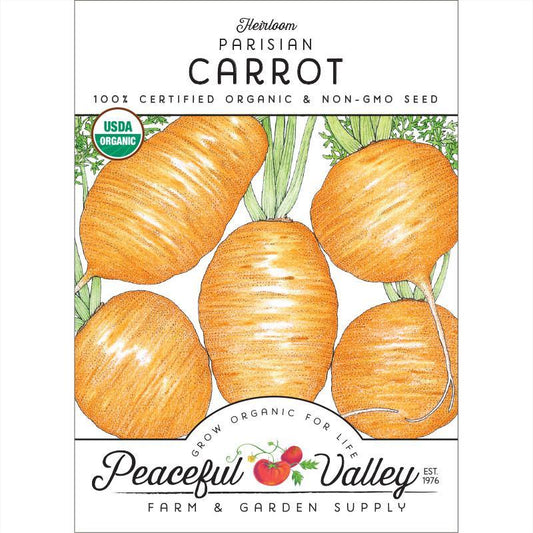
- Parisian Carrot Seeds (Organic) – Round and compact. Ideal for shallow systems.
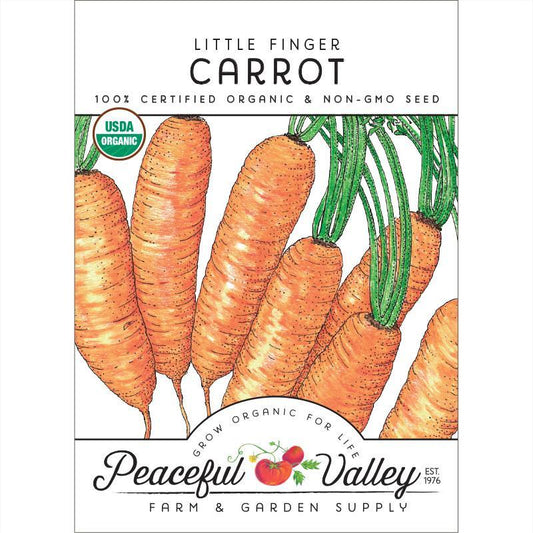
- Little Finger Carrot Seeds (Organic) – Small and fast growing.
- Chantenay Carrot (Organic) and Organic Carrot, Chantenay (1/4 lb) – Short and broad. Good for moderate depth.
- Scarlet Nantes Carrot Seeds (Organic) – Works well in deeper media systems.
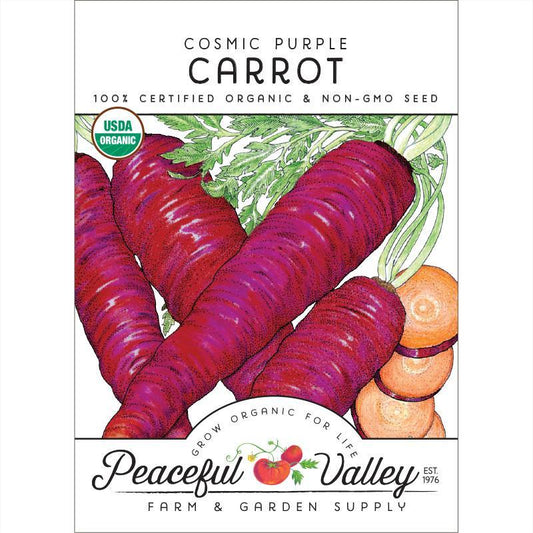
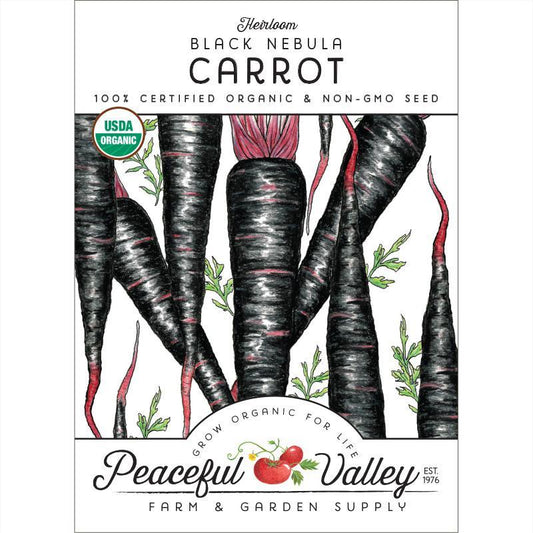
- Cosmic Purple Carrot Seeds (Organic) and Black Nebula Carrot Seeds (Organic) – Colorful varieties that need more depth.
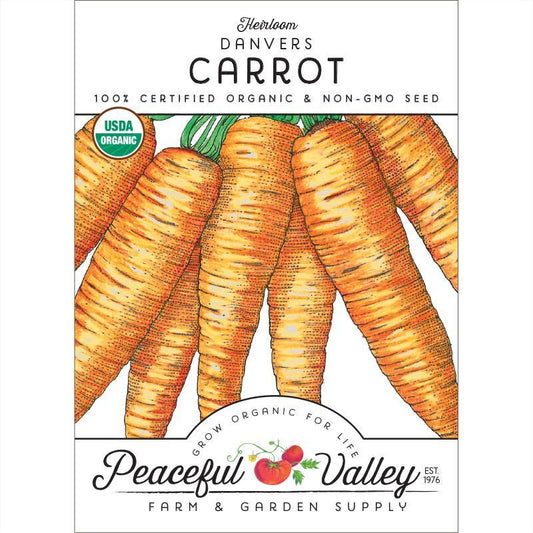
- Danvers Carrot Seeds (Organic) – Adaptable and reliable.
You can explore more options in the full organic carrot seed collection.
Depending on the variety, root length and maturity time will vary. Compact types are the safest choice when starting out.
Conclusion
So, can you grow carrots hydroponically as a home gardener? Yes — with the right system, sufficient root depth, and careful nutrient management, it is possible.
Growers experimenting with vertical farming hydroponic carrots succeed by choosing short or round varieties, using a stable growing medium, and maintaining balanced nutrients. Containers should provide at least 8–12 inches of depth for proper root formation.
Standard deep water (Deep Water Culture) systems are usually not ideal unless modified with media-filled net pots to support the roots. Carrots perform better in media-based or drip systems that provide both moisture and structure.
Hydroponics is not the easiest way to grow carrots, but it can work. Start small, monitor conditions closely, and treat it as a learning project rather than a full replacement for soil gardening.