
Chard vs Rhubarb: Why People Confuse Them (And How to Tell Them Apart)
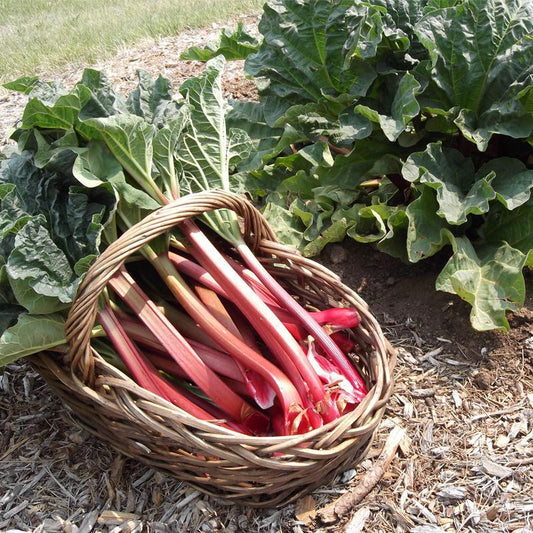
At first glance, it’s easy to mix up chard and rhubarb. Both have broad leaves and colorful stalks, and both show up in home gardens. But despite the visual similarities, swiss chard vs rhubarb is a comparison between two very different plants.
Understanding the difference between chard vs rhubarb helps you grow, harvest, and use each plant correctly. One is a leafy green vegetable, while the other is a perennial crop with edible stalks but toxic leaves.
If you are growing your own greens, start with this guide on how to grow swiss chard successfully.

Why Chard and Rhubarb Look Similar
The confusion around rhubarb Swiss chard comes mostly from appearance.
Both plants have:
- Large leaves
- Thick stems
- Red or colorful stalks
This is especially true when comparing red chard and rhubarb or rainbow chard, which can have bright stems that resemble rhubarb red chard.
However, the similarity ends at appearance.

Key Differences Between Swiss Chard and Rhubarb
Growth Habit and Plant Type
Swiss chard is typically grown as an annual leafy green. It produces outer leaves continuously through the growing season and prefers full sun with consistent soil moisture.
Rhubarb, on the other hand, is a perennial plant. It grows from a crown and returns each year. It also prefers fertile soil rich in organic matter and can tolerate light frosts.
Edible Parts
This is the most important difference in rhubarb vs chard.
- Swiss chard: both chard leaves and stems are edible
- Rhubarb: only the stalks are edible, the leaves are toxic
If you are asking “is rhubarb the same as Swiss chard,” the answer is no. Eating rhubarb leaves can be harmful, while chard is entirely edible.
Taste and Use
Taste also separates rhubarb vs Swiss chard.
- Chard has a mild, slightly earthy flavor, sometimes with a slight bitter taste in mature leaves
- Rhubarb is tart and sour, usually cooked with sugar
Chard is used in savory dishes, while rhubarb is often used in desserts.
Growing Conditions
Both plants need good soil, but they differ slightly:
- Chard grows well when you sow seeds about ½ inch deep and space plants around 12 inches apart
- Rhubarb requires deeper planting, often several inches deep, and more permanent space
For detailed growing instructions, see this complete chard growing guide.

Choosing the Right Chard Varieties
If you are growing chard, selecting a strong variety helps avoid confusion and improves harvest quality.
-
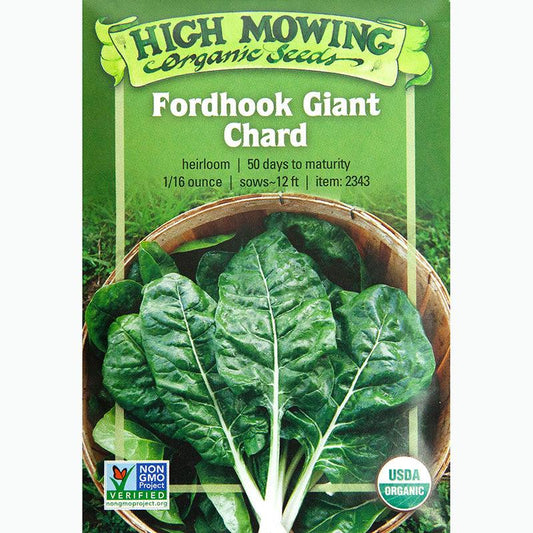
Fordhook Giant Chard Seeds (Organic)
- A classic variety with large green leaves and steady production. Learn more in this guide to Fordhook Giant chard characteristics
-
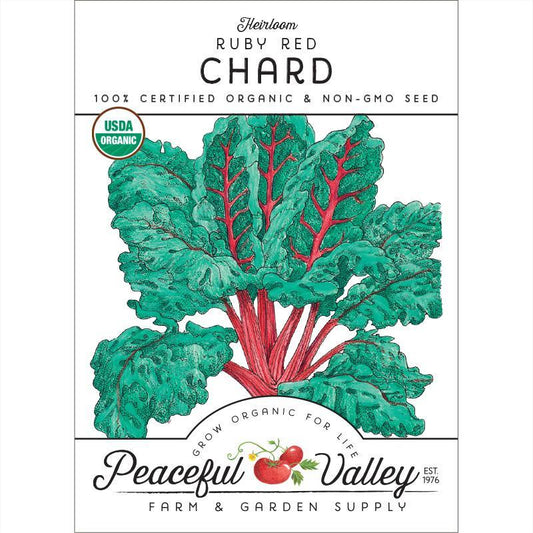
Red Ruby Chard Seeds (Organic)
- Known for deep red stems, which are often mistaken for rhubarb. See how it performs in this article on growing ruby red chard in warm climates
-
Five Color Silverbeet Chard Seeds (Organic)
- A colorful variety of swiss chard often called rainbow chard
Browse more options in this collection of organic chard seeds.
Nutritional Differences
Both plants offer nutritional benefits, but in different ways.
Swiss chard is rich in vitamin and mineral content that supports the immune system, including vitamins A, C, and K.
Rhubarb also contains nutrients, but because it is usually cooked with sugar, its health benefits depend on preparation.
Conclusion
Although Swiss chard and rhubarb may look similar, they serve very different roles in the garden and kitchen. Chard is a productive leafy green that you can harvest repeatedly, while rhubarb is a perennial grown for its tart stalks.
Understanding the difference between rhubarb and Swiss chard helps you avoid mistakes and get the most from each plant. With the right knowledge, you can grow both successfully and use them appropriately.