


Item Number: SNV3002
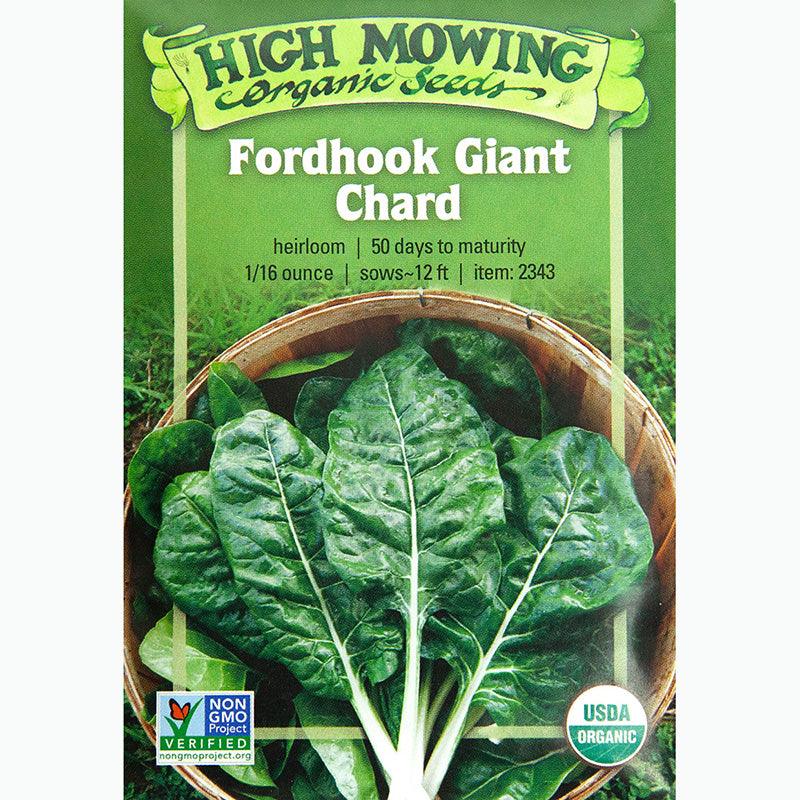
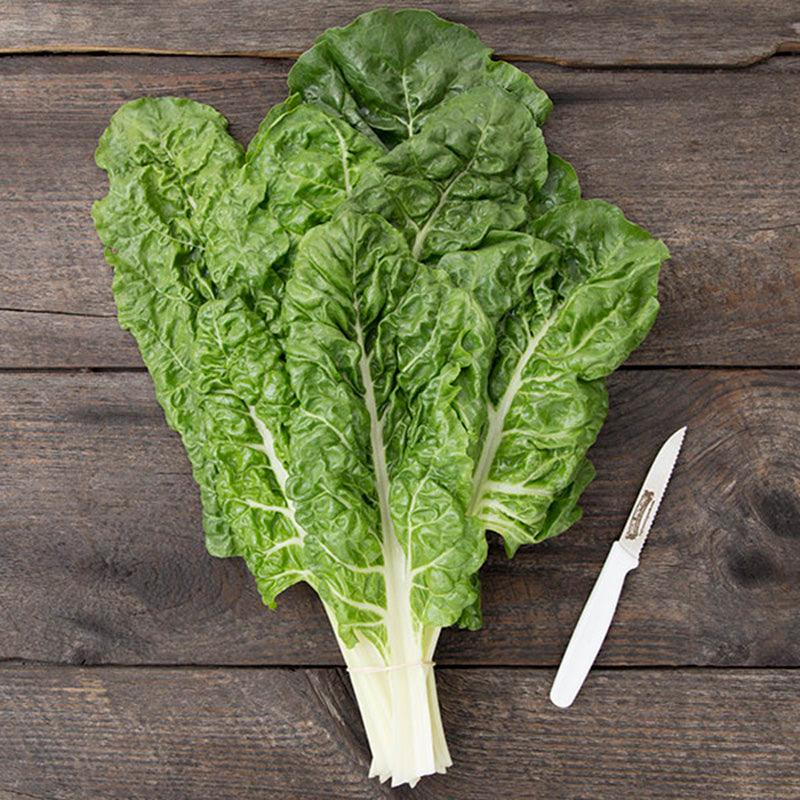
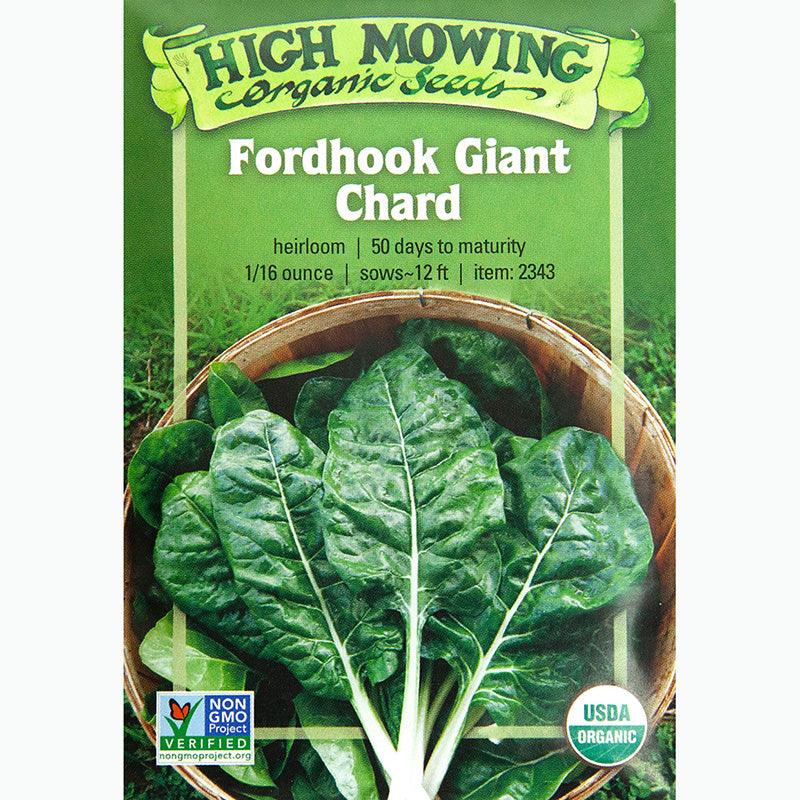
Fordhook Giant Chard Seeds (Organic)
Giant Greens, Giant Nutrition







Check Your Zone Compatibility:

Our Guarantee To You
Since 1976, we've served our customers at every stage of growing. Please contact us at any time. We are happy to support and assist you.
Description
Description
Introducing Giant Chard, scientifically known as Beta vulgaris var. cicla. This leafy green has its roots in the Mediterranean and is celebrated for its stunning appearance. Its broad leaves come in vibrant colors like deep green, crimson, and golden yellow, making it an attractive addition to gardens and kitchen menus. To grow Giant Chard successfully, it's important to provide the right conditions. It prefers well-draining soil with a pH level between 6.0 and 6.8. While it thrives in full sun, it can also tolerate some shade, offering flexibility in your garden.
Variety Details
- Plant type: Biennial
- Growth habit: Herbaceous
- Crop category: Beet
- Recorded feature: Open-Pollinated
- Product format: Seed packet
Sowing & Growing
- Light: Full Sun/Part Sun
- Planting season: Fall or Spring
- Starting location: Direct Sow or Start Indoors & Transplant
- Recorded soil pH: 6.1 - 6.5 or 6.6 - 7.0
- Recorded USDA zones: 10, 3, 4, 5, 6, 7, 8, 9
Direct sow Fordhook Giant Chard into a prepared, loose seedbed and keep the seed zone moist during establishment. Seed clusters can produce more than one seedling, so thin carefully when plants are large enough to handle. Use young leaves selectively if desired while preserving foliage for root development. Check root shoulders as maturity approaches and harvest at the preferred size. Seasonal conditions and spacing can influence both root size and harvest timing.
Plant the seeds directly in your garden bed, spacing them about 12 inches apart.
Before sowing Fordhook Giant Chard, review the packet alongside the current product details and note any range in temperature, germination, or maturity. Ranges reflect biological and seasonal variation rather than a fixed promise. Label each planting with its date and location, then compare emergence, growth, and harvest with local weather. This record is useful for succession plantings and for deciding whether the crop fits better into an earlier or later seasonal window.
Explore related options in our Chard Seeds.
Seed Pack Shipping
Seed Pack Shipping
Qualifying seed-pack-only orders under $50 ship for a $7 flat rate via USPS. Spend $50 or more on qualifying seed packs and receive free USPS shipping. Available within the contiguous 48 states.
Shipping Information
Shipping Information
Shipping Weight: 0.02 lb
Dimensions: 4.5"L x 3.25"W x 0.1"H
Features
Features
- Heirloom
- Open-Pollinated
- Succession Planting
Characteristics
Characteristics
Planting & Care
Planting & Care
Soil & Water: Chard prefers moderate soil with plenty of added organic matter and even, moderate water throughout the season.
Planting & Growing: Start seeds indoors 1-2 weeks before the last frost, and keep planting every 2 weeks for succession harvest. Plant after spring frosts to avoid bolting. Chard tolerates light frosts when young, and moderate freezes once established. It can also adapt to warmer summer temperatures.
Harvesting & Storage: Harvest outer stalks early, or cut the whole plant to allow a second plant to grow.
Useful Information
Useful Information
Guarantee
Guarantee

Peaceful Valley Farm & Garden Supply brand vegetable seeds are guaranteed to germinate. Once the seeds have sprouted, please understand that Peaceful Valley cannot be held responsible for the many uncontrollable growing and climatic conditions that must be met to ensure the success of your crop(s).
- Choosing a selection results in a full page refresh.
- Opens in a new window.