
Growing Amaranth From Seed: Tips for Growing Amaranth as Grain or Greens
Growing amaranth is a simple way to produce both nutritious greens and a high-protein seed crop in one plant. This versatile crop has been cultivated for thousands of years and continues to be valued for its adaptability, nutrition, and ease of care.
This guide explains how to grow amaranth, from planting seeds to harvesting both amaranth greens and amaranth grain, with clear steps for beginners.

Why Growing Amaranth Is Worth It
Many gardeners ask, is amaranth a grain? It is technically a seed, but it functions like a cereal, often called an ancient grain.
Benefits of Growing Amaranth
- Produces both edible amaranth greens and amaranth grains
- Rich in protein and essential amino acids
- Handles heat well with strong drought tolerance
- Grows quickly and is easy to grow
Because of this, many gardeners focus on growing amaranth for food as a dual-purpose crop.
Understanding Amaranth Growing Conditions
Before planting, it helps to understand how the amaranth plant growing cycle works.
Ideal Growing Conditions
- Plant in full sun for best growth
- Use loose, well-draining soil
- Add compost to support early growth
- Warm temperatures improve germination
Amaranth thrives in a wide range of climates, making it suitable for many amaranth growing zones, typically zones 2 through 11.

How to Grow Amaranth From Seed
Learning how to grow amaranth plant starts with simple, direct seeding. Amaranth does best when planted straight into the garden once the weather warms up.
Planting Steps
- Sow seeds after the last frost, when soil is warm (at least 65°F)
- Choose a spot with full sun and loose, well-draining soil
- Scatter seeds lightly over the soil surface
- Cover with a very thin layer of soil, about ¼ inch deep
- Water gently so seeds stay in place
This is the most reliable way to grow amaranth from seed. Because seeds are very small, planting too deep can prevent germination.
Early Growth Stage
- Seedlings usually appear within 7 to 14 days
- Once plants are a few inches tall, thin them to about 8–12 inches apart
- Keep soil evenly moist, but not soggy
At this stage, the plant grows quickly. Once established, amaranth becomes more drought-tolerant and needs less frequent watering.
Growing Amaranth in Containers
If you have limited space, growing amaranth in pots or growing amaranth in containers is a good option.
- Use a container at least 10–12 inches deep
- Fill with well-draining potting mix
- Make sure the pot has drainage holes
- Place in full sun and water more often than in-ground plants
Container-grown plants are best for greens, since grain production is usually smaller.

How to Grow Amaranth Leaves
If you want greens, focus on harvesting early and often.
- Begin harvesting when plants are about 6–8 inches tall
- Cut outer leaves first, leaving the center to keep growing
- Harvest regularly to encourage new, tender growth
These young leaves are mild and work well as a leafy vegetable in sautés, soups, or a simple stir fry.
Growing Amaranth for Grain
For grain, let plants grow through their full life cycle.
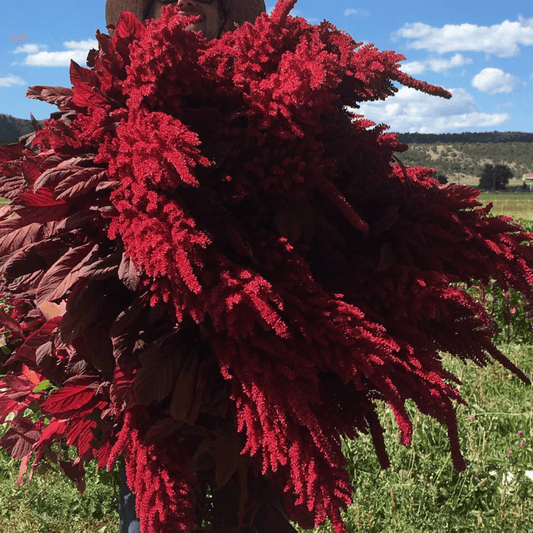
- Plants will grow tall and form a large seed head at the top
- Seeds develop gradually as the plant matures and dries
This stage is important for learning how to harvest amaranth grain properly.
Harvesting Amaranth Grain
- Wait until seed heads feel dry and crumbly
- Cut the seed heads and place them in a paper bag or container
- Let them dry further indoors if needed
- Rub or shake the seed heads to release seeds
After harvesting, seeds can be used as popped amaranth, cooked like porridge, or ground into amaranth flour.
This version keeps things simple but fills in the gaps beginners usually struggle with, like depth, spacing, and timing.

Types of Amaranths to Grow
There are several types of amaranths, each suited for different uses.
- Grain types for seed production
- Leaf types for greens
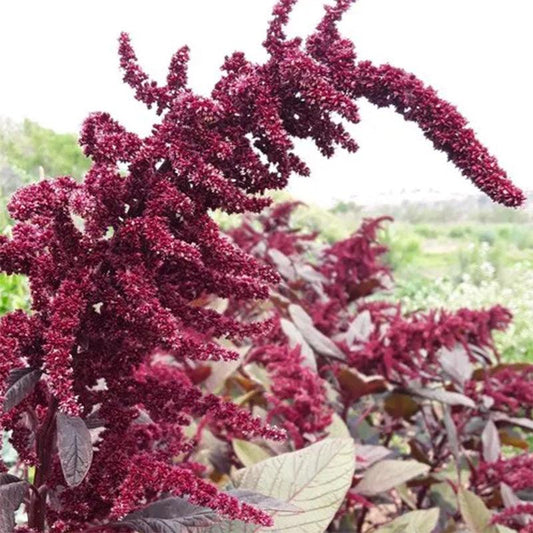
- Ornamental types like love lies bleeding
All belong to different species of amaranth, but most follow the same basic care.
Recommended Amaranth Varieties
Choosing the right variety helps match your growing goals.
-
Organic Greens, Red Amaranth (1 oz)
- Ideal for harvesting tender amaranth greens
-
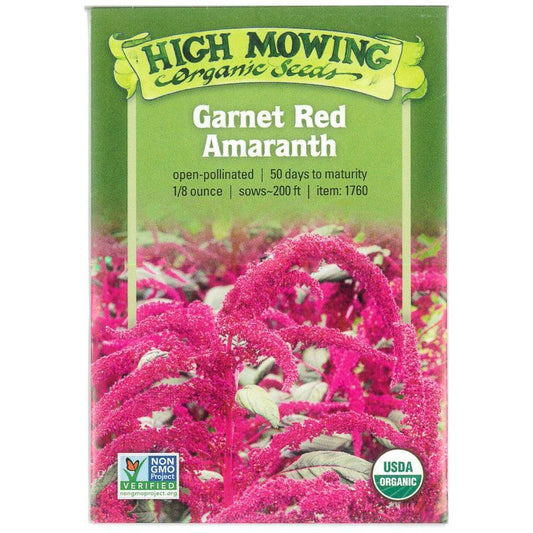
Garnet Red Amaranth Seeds (Organic)
- A strong dual-purpose option for greens and grain
-
Love Lies Bleeding Amaranth Flower Seeds
- A striking ornamental with edible potential
Explore more varieties in this amaranth seeds collection.
For a deeper look at growing and using it in the kitchen, see red amaranth from seed to table.
How to Use Amaranth
Once harvested, amaranth is easy to prepare.
- Cook seeds like a grain
- Use leaves fresh or cooked
- Bake with amaranth flour
You can also cook amaranth in soups, grain bowls, or as a side dish.
Conclusion
Amaranth growing is simple, productive, and rewarding. Whether you want leafy greens or a grain crop, this plant adapts well to different conditions.
By learning how to grow amaranth from seed and understanding how to harvest both leaves and grain, you can produce a steady supply of food throughout the growing season. With the right care, amaranth becomes one of the most reliable crops in a home garden.