
Germinating Seeds: Step-by-Step Timeline and Tips
Starting tomatoes from seed gives you control over variety, plant health, and harvest timing. But strong plants begin with one critical stage: germination.
Many gardeners ask, how long do tomato seeds take to germinate? or how long does it take to germinate tomato seeds? The answer affects when you start seeds, when you transplant, and ultimately when you harvest.
Under proper conditions, most tomato seeds sprout in 5 to 10 days. Understanding what controls that timing helps you avoid delays and grow stronger seedlings from the start.

How Long Does It Take for Tomato Seeds to Germinate?
If you are asking how long does it take for tomato seeds to germinate, most fresh seeds sprout in 5 to 10 days. That is the typical tomato germination period when soil stays warm and evenly moist.
Whether the question is phrased as how long does it take tomato seeds to germinate, how long do tomatoes take to germinate, or how long does it take tomatoes to germinate, the answer depends mainly on soil temperature and moisture.
The ideal tomato germination temperature is between 70°F and 85°F. Within that range, Tomato seed germination is fast and consistent. Below 65°F, tomato plant germination time slows and may stretch closer to two weeks.
Keeping soil consistently warm and evenly moist is the key to predictable sprouting and strong early growth.
What Tomato Seeds Need to Germinate
Warm Soil Temperature
Soil warmth drives the germination time for tomato seeds. A heat mat helps maintain steady warmth, especially when starting seeds before your last frost date. Consistent soil temperature speeds up tomato seed germination days and improves uniform sprouting.
Even Soil Moisture
During germinating tomato seeds, moisture must stay steady but not soggy. Wet soil reduces oxygen and may cause rot. The soil should feel damp, like a wrung-out sponge.
Bottom watering works well. It protects the seed surface and supports strong tomato seed germination.
Do Tomato Seeds Need Light to Germinate?
A common question is, do tomato seeds need light to germinate or do tomatoes need light to germinate? No. Seeds sprout underground, so darkness is fine at first.
Once tomato seeds germinate and break the surface, they need strong light. Place seedlings under a grow light for 14 to 16 hours a day to prevent stretching.

How to Germinate Tomato Seeds Step by Step
If you want to know how to germinate tomato seeds successfully, keep it simple.
Step 1: Use the Right Mix
Choose a sterile seed starting mix instead of heavy garden soil. Garden soil compacts and holds too much water. A light potting mix allows airflow and good root development.
Step 2: Plant at the Correct Depth
Plant seeds about ¼ inch deep. Cover lightly and press gently. Planting too deep delays how long for tomatoes to germinate.
You can use trays, small pots, or even egg cartons for short-term use. Just make sure there is drainage.
Step 3: Maintain Warmth and Moisture
Keep soil within the proper tomato germination temperature range. Monitor soil moisture daily.
Step 4: Add Light Immediately After Sprouting
Once you see green shoots, move seedlings under a grow light. Proper light prevents weak growth and supports healthy tomato seedlings.

Choosing Tomato Varieties
The tomato germination time is similar across most types, whether you grow cherry tomatoes or slicers. Explore a wide selection in the tomato seeds collection to find varieties suited to your climate and taste.
If you are unsure which type to start, the guide on choosing the perfect tomato variety can help you decide between heirloom, paste, or cherry types.
You can also review the full tomato growing guide for planning from seed to harvest.
Common Germination Problems
Seeds Have Not Sprouted After 10 Days
If tomato seeds have not emerged after the expected tomato seed germination time, check soil temperature first. Cold soil is the most common reason for delay.
Next, evaluate soil moisture. Soil that is too wet limits oxygen and may cause rot. Soil that dries out interrupts germination entirely.
Finally, consider planting depth and seed quality. Seeds planted deeper than ¼ inch may struggle to push through. Old or poorly stored saved seeds may germinate slowly or unevenly.
Uneven Germination
Uneven sprouting often results from fluctuating soil moisture or inconsistent heat.
Weak Seedlings
If seedlings stretch and fall over, light is too far away. Lower the grow light and provide steady airflow.
For troubleshooting later stages, see solving common tomato growing issues and the overview of tomato diseases.

Timing Your Seed Start
Start growing tomatoes from seed 6 to 8 weeks before your last frost date. Starting too early leads to overgrown started tomatoes indoors.
Once seedlings develop several sets of leaves, transplant into larger containers with potting soil. Tomatoes benefit from being planted deeper to strengthen roots.
For a step-by-step walkthrough beyond germination, watch the growing tomatoes video guide or read how to grow tomatoes from seed to harvest.
Tomato Varieties You Can Start From Seed
Once you understand how long tomato seeds take to germinate and how to create ideal conditions, the next step is choosing the right variety. All of the following can be started indoors using the same germination process described above.
Reliable Early & Cool-Season Performers
These varieties are known for dependable performance and are good choices if you are starting seeds early.
Classic Heirloom Favorites
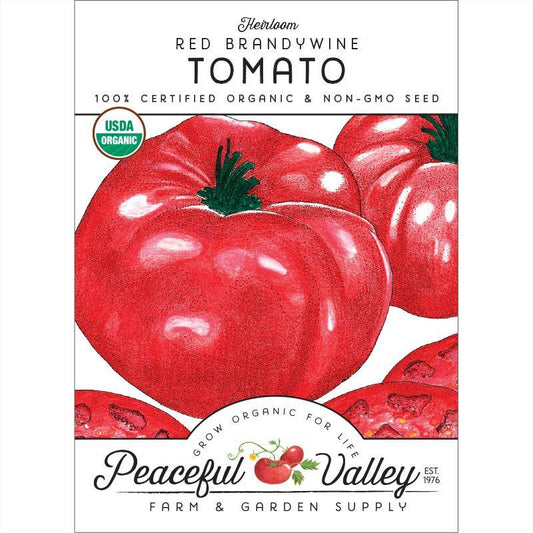
- Brandywine Tomato Seeds (Organic)
- Brandywine Pink Tomato Seeds (Organic)
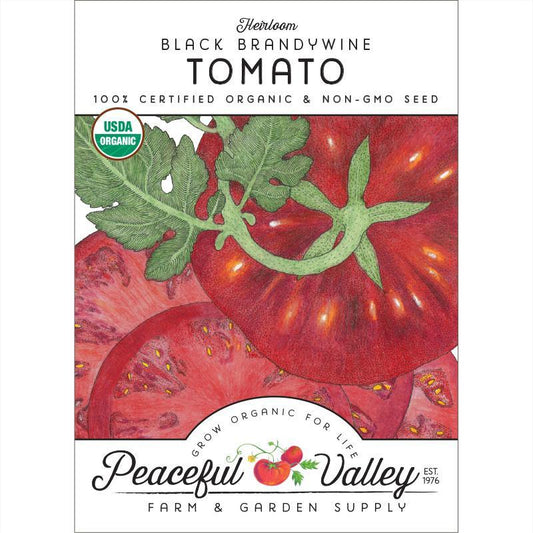
- Brandywine Black Tomato Seeds (Organic)
- Cherokee Purple Tomato Seeds (Organic)
- German Johnson Tomato Seeds (Organic)
- Prudens Purple Tomato Seeds (Organic)
- Paul Robeson Tomato Art Pack (Organic)
- Costoluto Fiorentino Tomato Seeds
- Hillbilly Tomato Seeds (Organic)
- Grandma’s Pick Tomato Seeds
- Big Rainbow Tomato (Organic)
- Organic Tomato, Homestead (1 oz)
- Organic Homestead Tomato
These heirloom types are excellent for gardeners growing tomatoes from seed who want rich flavor and unique color.
All of these tomatoes follow the same basic germination principles: warm soil, consistent moisture, and proper light once seedlings emerge. Choosing the right variety simply helps you match your harvest goals to your growing space.
Important Germination Reminder
Tomato seeds germinate quickly under the right conditions, but faster is not always better. Excess heat above 90°F can damage seed viability. Overwatering in an effort to “speed things up” often causes failure instead.
Focus on steady soil temperature, consistent soil moisture, and good airflow. Stable conditions produce stronger tomato seedlings than rushing the process.
Conclusion
So, how long do tomato seeds take to germinate? In most cases, 5 to 10 days under warm, steady conditions.
Success during tomato germination depends on three core factors: proper soil temperature, consistent moisture, and correct planting depth. When those conditions stay stable, tomato seeds germinate quickly and evenly, setting the stage for strong tomato plants from seeds.
It also helps to remember that tomato seeds typically sprout faster than pepper seed, which often requires slightly warmer soil and more time. By giving your seeds the right start, you reduce early setbacks and build healthier plants that produce better harvests later in the season.