Introduction
Use this Seed Learning Center to move from seed choice to planting, crop care, and harvest. Start with the decision you need to make, then use the crop directory for variety-specific growing guidance. Seed labels and general charts support planning, but the current packet and product listing remain the best references for a particular variety.
Ready to choose varieties? Browse vegetable seeds, herb seeds, flower seeds, or the organic seed collection. Certification and other attributes vary, so verify each current listing.
Choose your seed-planning path
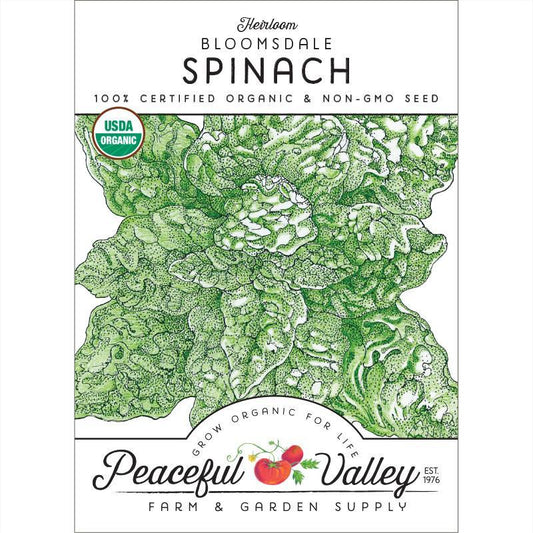
- Choose seed types: compare organic, non-GMO, heirloom, open-pollinated, hybrid, and untreated labels.
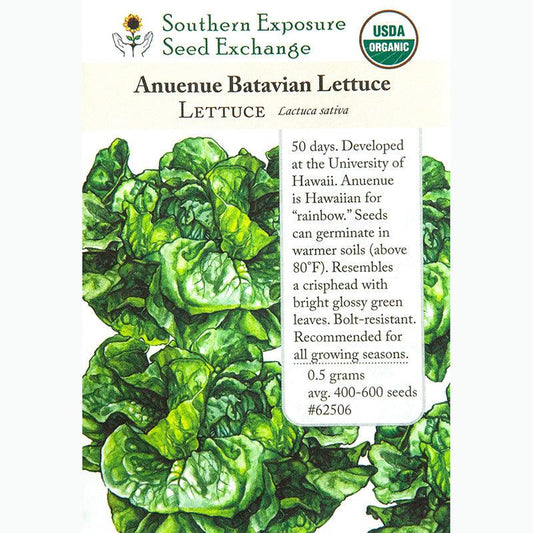
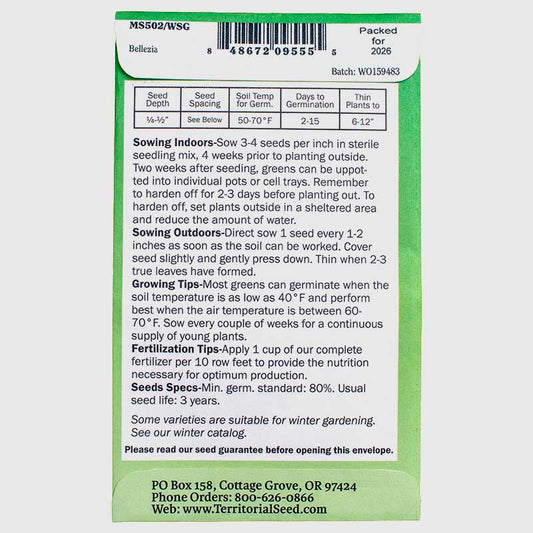
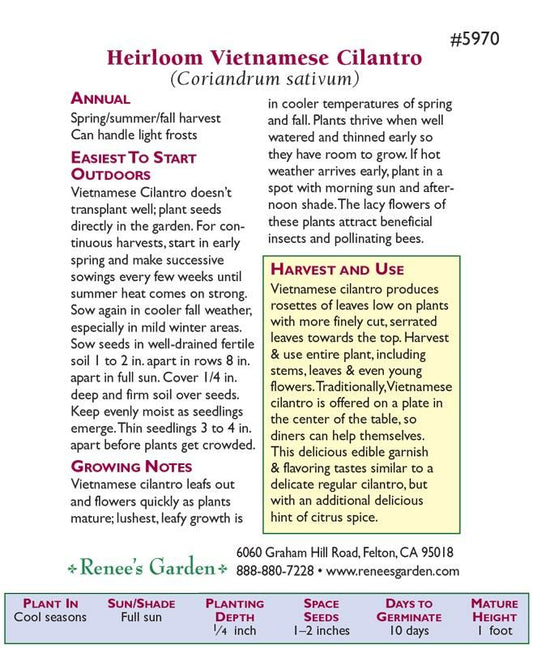
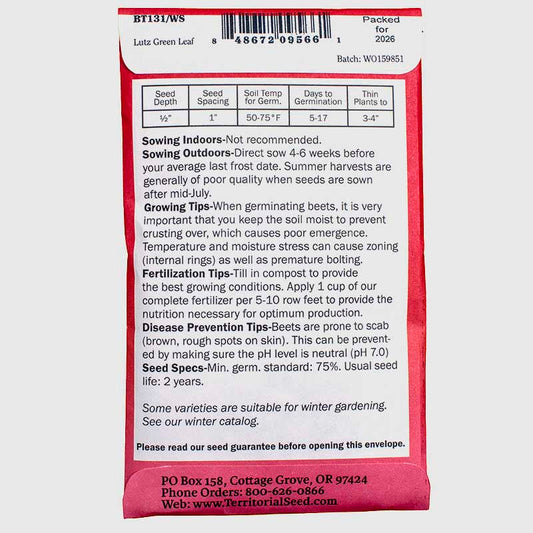
- Read the packet: understand dates, germination, depth, spacing, and days to maturity.
- Check stored seed: estimate storage life and run a viability test.
- Build a planting calendar: calculate indoor sowing dates from local freeze conditions.
- Check soil temperature: compare common vegetable germination ranges.
- Estimate quantity: calculate seed from plant spacing, row length, and repeated sowings.
- Plan repeated harvests: stagger sowings and follow one crop with another.
- Plan plant neighbors: use spacing, crop-family, support, and rotation logic.
Direct sow or start indoors?
Root vegetables, peas, beans, and corn are commonly direct sown. Tomatoes, peppers, eggplants, and many brassicas are often started indoors where an outdoor season is short. Cucumbers, melons, and squash grow quickly and may be direct sown after the soil warms or started only a few weeks before transplanting. Use crop-specific guidance instead of assuming every seed benefits from an early indoor start.
Use the direct-sowing and transplant comparison to choose a method, or the Seed Starting guide for indoor care.
Find trays, media, lighting, and related equipment in seed-starting supplies.
Vegetable crop guides
| Crop or family | Growing guide | Shop seeds |
|---|---|---|
| Tomatoes | How to grow tomatoes | Tomato seeds |
| Peppers | How to grow peppers | Pepper seeds |
| Cucumbers | How to grow cucumbers | Cucumber seeds |
| Corn | Beginner's corn-growing guide | Corn seeds |
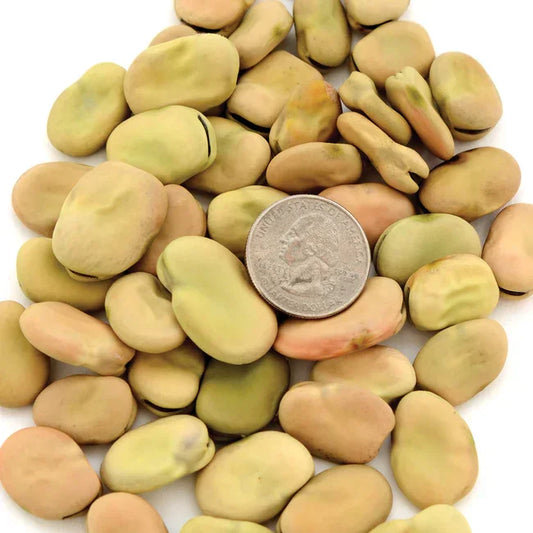
| Beans | Bean growing guide | Bean seeds |
| Peas | How to grow peas | Pea seeds |
| Root vegetables | Root vegetable seed guide | Carrot seeds and beet seeds |
| Brassicas | Brassica seed guide | Broccoli seeds and cabbage seeds |
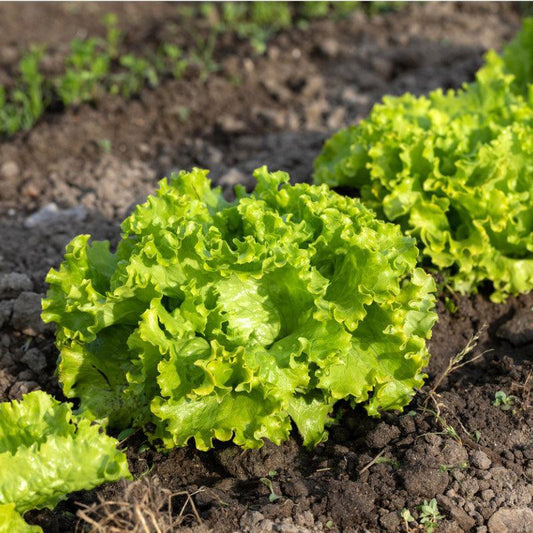
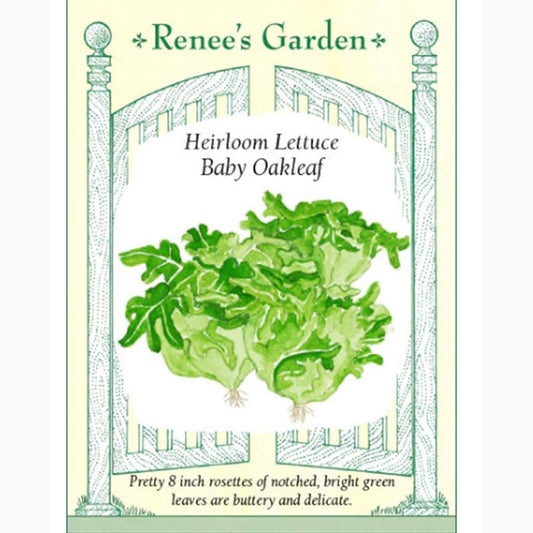
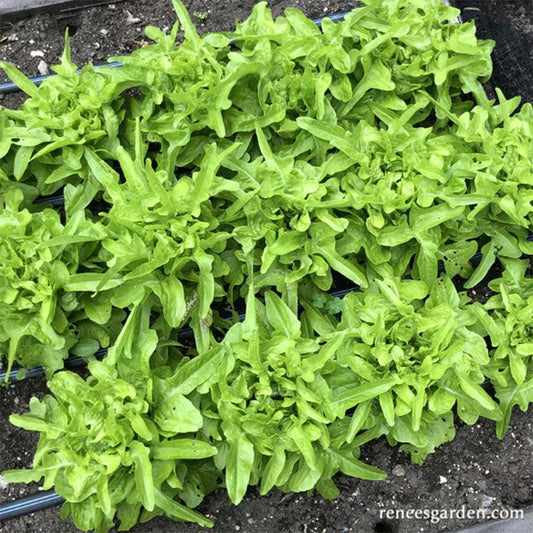
| Lettuce and greens | Lettuce and greens guide | Lettuce seeds |
| Onions | How to grow onions | Onion seeds |
Herb and flower seed guides
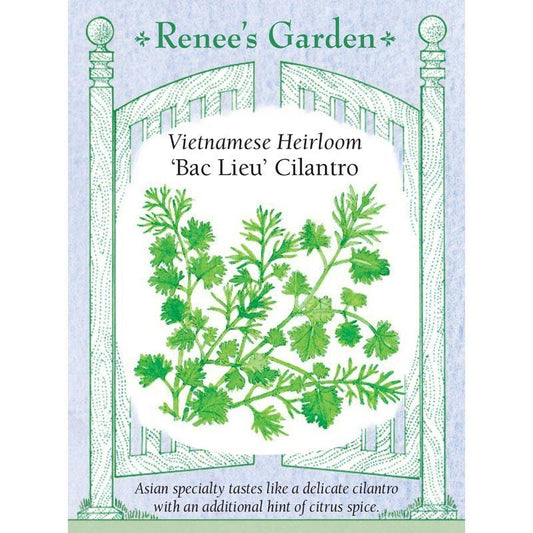
Use the herb seed-growing guide to choose between indoor starting and direct sowing for basil, cilantro, dill, parsley, chives, and perennial herbs. Use the flower seed-growing guide for annuals, perennials, direct sowing, fall or winter sowing, and species-specific pretreatments.
Seed-starting essentials
- Use clean containers and a fine, well-drained starting medium.
- Label crop, variety, and sowing date.
- Follow packet depth and temperature directions.
- Keep media evenly moist rather than saturated.
- Provide strong light promptly after emergence.
- Harden transplants gradually before planting outdoors.
Choose crops for season and space
Begin with the portion of the year in which the crop must grow and mature. Cool-season vegetables such as peas, lettuce, spinach, radish, carrots, and many brassicas can use spring or fall windows. Beans, corn, cucumbers, squash, tomatoes, and peppers require warmer conditions and differ in the amount of frost-free time needed. Days to maturity help compare varieties, but they do not replace local weather or soil-temperature decisions.
Next map mature plant size. A container or small bed can support compact tomatoes, bush beans, leaf lettuce, herbs, roots, and smaller pepper plants when the container is deep enough and irrigation is managed. Vining cucumber, pole bean, indeterminate tomato, melon, and tall pea varieties need deliberate support and harvest access. Corn requires a block or another arrangement that provides adequate pollen movement rather than a single decorative row.
Compare varieties for your garden goals
After choosing a crop, compare current listings for maturity, mature plant size, intended harvest use, and any stated disease resistance. Check what each claim actually describes. A resistance statement should identify the relevant disease; it is not a promise that a plant cannot become ill or that garden care no longer matters.
Confirm how the seller counts days to maturity before comparing varieties. Keep the same harvest goal in mind: a crop grown for young leaves is a different choice from one grown to full size. Use the seed-packet guide for interpretation and the seed-label comparison for breeding and certification terms.
To compare varieties in your own growing conditions, learn how to plan a small garden variety trial and keep a record of each variety's performance.
Use the right troubleshooting path
- Nothing emerged: check seed viability, depth, temperature, moisture, and any pretreatment requirement.
- Seedlings are weak or stretched: evaluate light intensity and distance, temperature, crowding, and root condition.
- Transplants stopped growing: review hardening, soil temperature, root disturbance, water, and weather before adding fertilizer.
- Plants are leafy but not flowering or fruiting: check crop maturity, temperature, light, and excess nitrogen.
- Leaves show spots or distortion: identify whether the cause is insect, disease, environmental stress, or spray injury before choosing a control.
FAQs About Seed Learning Center
Should I buy organic, heirloom, or hybrid seed?
Can I plant every crop on my average last frost date?
Do I need special equipment?
Where should I begin if I am new to growing from seed?
Keep garden records
Record sowing, emergence, transplanting, harvest, and problems by variety. Note actual soil temperature and weather when useful. These observations help you refine future seed quantity, planting dates, and variety selection without treating one season as a guarantee.