Walla Walla Onions: Why They’re Sweet (And Why They Don’t Store Well)
Walla Walla onions are known for their mild flavor and sweetness, making them one of the most popular fresh-eating onions. If you’ve ever tasted a true walla walla sweet onion, you’ll notice how different it is from stronger storage onions.
But that sweetness comes with a tradeoff. Understanding why they are sweet and why they do not store well helps you grow and use them more effectively.

What Makes Walla Walla Onions Sweet?
Walla Walla onions, a type of Allium cepa, are famous for their low sulfur content. Sulfur compounds are what give most onions their sharp taste. When sulfur levels are low, onions develop a mild flavor and noticeable sweetness.
This is what defines sweet onions like the walla walla sweet type.
The original onions come from the Walla Walla Valley in Washington State, where the soil and climate help create this balance. The region’s sandy loam soils and consistent moisture reduce sulfur uptake, which increases the sweetness walla wallas are known for.
Why Walla Walla Onions Don’t Store Well
The same traits that make these onions sweet also limit their storage life.
- Lower sulfur means less natural preservation
- Higher water content leads to faster spoilage
- Thinner outer layers provide less protection
Because of this, walla walla sweet onions are best used fresh. They are not ideal for long-term storage like other types of onions.
If you are wondering how to store walla walla onions, the best method is to keep them in a cool dry place and use them within a few weeks.

Growing Walla Walla Onions
Climate and Day Length
Walla Walla onions are one of the long day onions, which means they need long daylight hours to form bulbs. They grow best in northern regions with long summer days.
Soil and Planting Conditions
For best results:
- Use fertile well drained soil
- Ideal soil type is sandy loam soils
- Keep soil consistently moist
These conditions support healthy onion plants and proper bulb formation.
Planting Guidelines
When learning how to plant walla walla onions or how do you plant walla walla onions, spacing and timing matter.
- Plant in early spring
- Follow proper walla walla onion spacing of about 4 to 6 inches apart
- Use seeds or starts depending on your region
You can begin with walla walla onion seeds, walla walla onion sets, or even walla walla onion seedlings.
For more guidance, see this onion growing guide.
Growth Timeline and Harvest
This onions typically take about 90 to 120 days to maturity, depending on weather, soil, and overall growing conditions. During this time, the plant focuses first on leaf growth, then shifts energy into forming the bulb.
When to Harvest Walla Walla Onions
The best time to harvest is when:
- The tops begin to bend over naturally
- Leaves start to yellow and dry out
- Bulbs have reached a good size
This stage shows that the onion has completed its growth cycle and is ready to be pulled. Waiting too long after the tops fall over can lead to splitting or reduced quality.
When to Pick Walla Walla Onions
If you want a milder, fresher flavor, you can also harvest earlier. Some gardeners grow onions for fresh use and begin picking when bulbs are still slightly smaller and the tops are still green. These are similar to large green onions and are best used right away.
Harvesting and Curing
To harvest:
- Gently loosen the soil and lift the bulbs
- Avoid pulling too hard, which can damage the onion
After harvest, place the onions in a warm, dry, well-ventilated area for curing. Let them sit for about 1 to 2 weeks until the outer layers dry and the necks tighten.
Because this onions have high moisture and lower sulfur content, they will not store as long as other onions. Even after curing, they are best used within a few weeks for the best flavor.
Proper timing and handling during harvest will help you get the most out of your Walla Walla onion crop.

Recommended Onion Options
If you want to grow sweet onions or compare varieties, consider these options:
-
Walla Walla Onion Seeds (Organic)
- A classic onion variety known for sweetness and fresh use
-
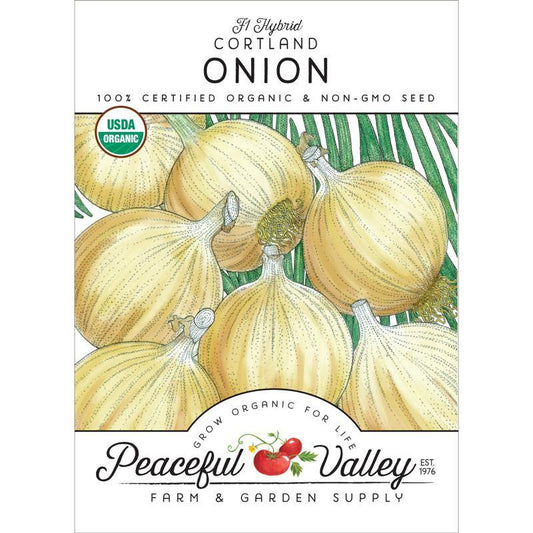
Cortland Onion Seeds (Organic)
- A storage onion that complements sweet varieties
-
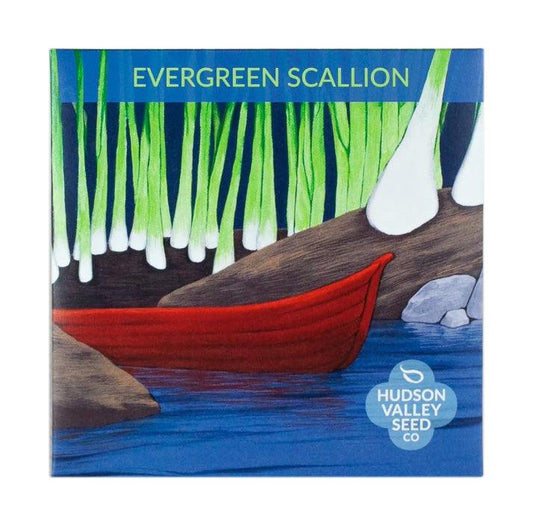
Evergreen Bunching Onion Seeds (Organic)
- Ideal for harvesting green onions and continuous production
Explore more options in this collection of organic onion seeds.
How to Use Walla Walla Onions
Because of their mild taste, Walla Walla onions are best used fresh.
- Slice into salads
- Use raw on sandwiches
- Lightly cook for a sweeter flavor
They are less suited for long cooking or storage compared to stronger onions.
Conclusion
Walla Walla onions are prized for their sweetness, which comes from low sulfur levels and specific growing conditions. However, that same quality makes them less suitable for storage.
By understanding how to grow, harvest, and store walla walla onions, you can enjoy their fresh flavor at its best. With proper care, they are an excellent addition to any garden focused on fresh eating.