This video demonstrates the basic process of evaluating and applying fertilizer around established fruit trees. It is supplementary guidance: the correct product, rate, timing, and placement depend on the tree, soil or tissue results, climate, irrigation, and the current product label.
What the video covers
- Looking at annual shoot growth and overall vigor
- Reading the three-number fertilizer analysis
- Relating label directions to tree size or application area
- Distributing fertilizer through the active root zone
- Keeping concentrated fertilizer away from direct trunk contact
- Watering according to product directions and site conditions
Test and inspect before fertilizing
Leaf color or one season’s growth is not enough to diagnose a nutrient shortage. Check irrigation, drainage, root health, pruning history, crop load, pH, and salinity. Use soil or tissue testing when the result will change the application decision.
Newly planted versus established trees
New bare-root trees should focus on root establishment. Do not automatically apply a concentrated fertilizer at planting. Follow Bare Root Tree Care and the fertilizer label. Established trees can be evaluated by crop needs, annual growth, testing, and local recommendations.
Fertilizer analysis and rate
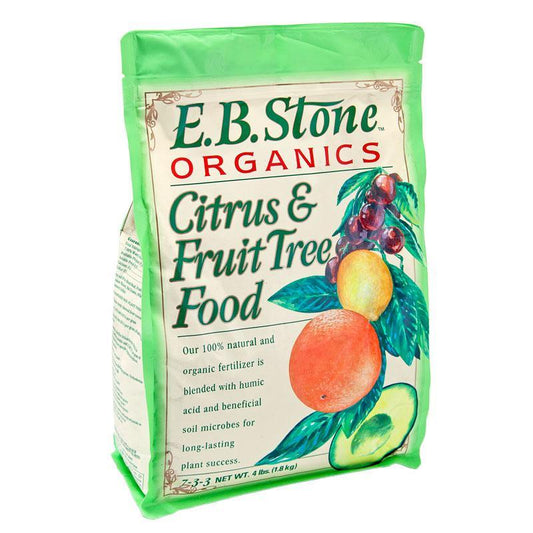
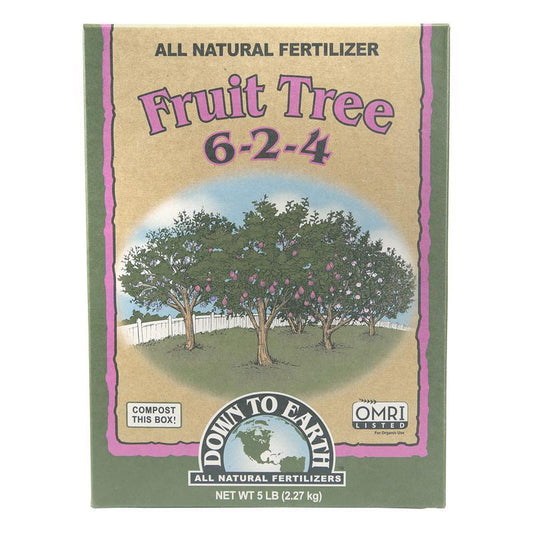
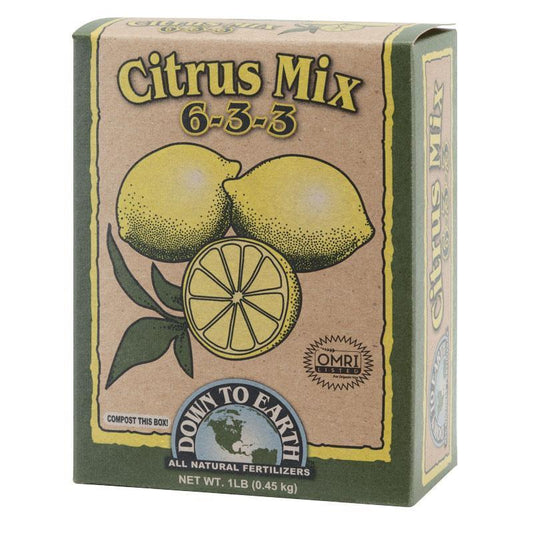
The N-P-K numbers show the percentage by weight of total nitrogen, available phosphate, and soluble potash. They do not provide a universal application rate. Use the label’s crop and area directions, and account for nutrients already supplied by compost, manure, irrigation water, mulch, or cover crops.
Application placement
Fine feeder roots extend through the wetted root zone, often well beyond the trunk. Spread fertilizer where active roots and irrigation overlap rather than placing it in a pile at the trunk. Avoid applying before heavy runoff-producing rain or onto frozen or saturated soil.
Continue with specific questions
- Nitrogen Deficiency or Excess in Fruit Trees
- Nitrogen for Fruit Trees
- Potassium and Water Stress in Foothill Orchards
- When Gypsum Helps Orchard Soil
Shop by diagnosed need
Browse fruit-tree fertilizers after determining what the tree and soil require. Follow the current label for approved use, rate, timing, and safety directions.
Related Fertilizer Guidance
This page supports When and How to Fertilize Fruit Trees. Use that pillar for the complete decision process, then confirm the application with the current product label.