


Item Number: SNV9010
Borlotto Lingua Di Fuoco Nano Dry/Shell Bush Bean Seeds
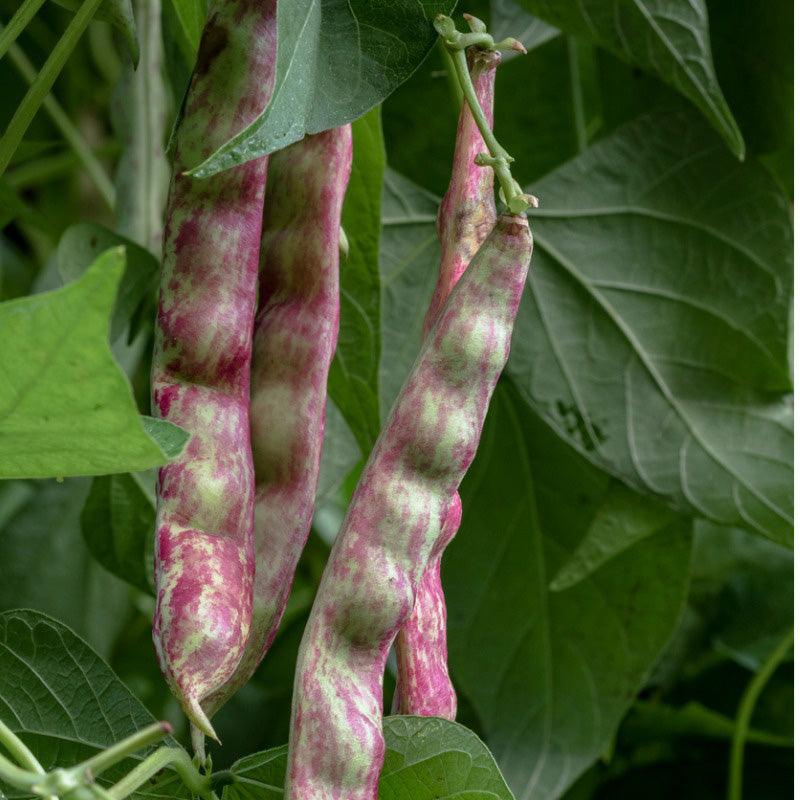
Vibrant Tuscan Beans



Check Your Zone Compatibility:

Our Guarantee To You
Since 1976, we've served our customers at every stage of growing. Please contact us at any time. We are happy to support and assist you.
Description
Description
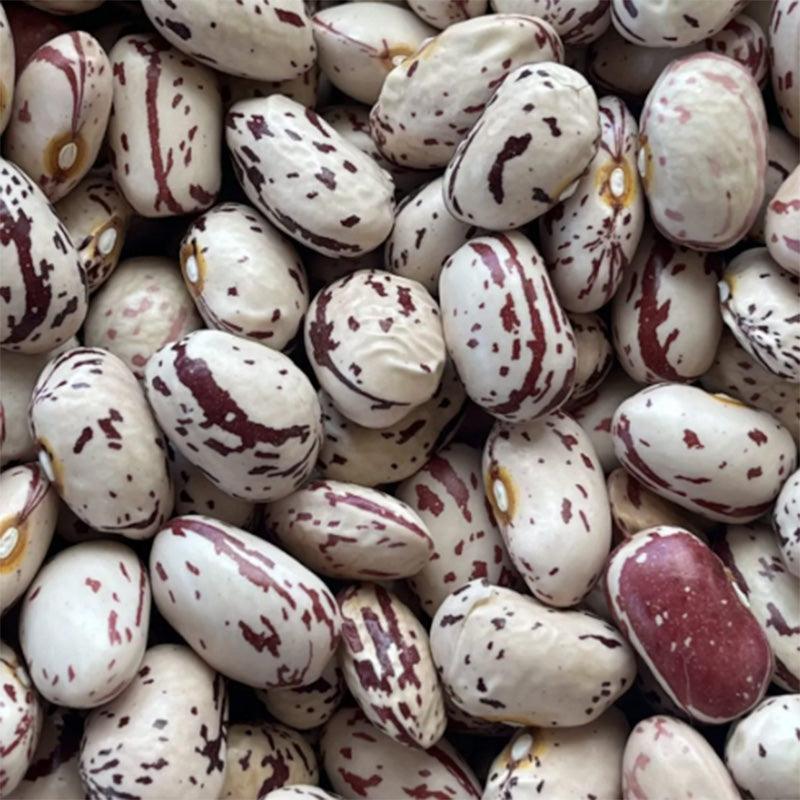
Introducing Borlotto Lingua Di Fuoco Nano Dry/Shell Bush Bean Seeds, a remarkable addition to your garden with a rich historical lineage and versatile culinary applications. These heirloom seeds, originating from the Italian region of Tuscany, produce compact bush bean plants that exhibit unique characteristics. The Borlotto Lingua Di Fuoco Nano bush bean plant boasts vibrant foliage, featuring lush green leaves and delicate red or maroon streaks. This aesthetic appeal makes it an excellent choice for both ornamental and productive gardening.
Variety Details
- Plant type: Annual
- Growth habit: Bush
- Crop category: Bean
- Kitchen profile: Introducing Borlotto Lingua Di Fuoco Nano Dry/Shell Bush Bean Seeds, a remarkable addition to your garden with a rich historical lineage and versatile culinary applications.
- Recorded feature: Open-Pollinated
- Product format: Seed packet
Sowing & Growing
- Light: Full Sun
- Planting season: Spring or Summer
- Starting location: Direct Sow
- Recorded soil pH: 6.6 - 7.0
- Recorded USDA zones: 10, 3, 4, 5, 6, 7, 8, 9
Sow Borlotto Lingua Di Fuoco Nano Dry/Shell Bush Bean after the soil has warmed and cold, wet conditions have passed. Use the recorded spacing and provide support when the variety has a climbing habit. Check moisture at root depth, especially during flowering and pod development, while avoiding a rigid calendar. Harvest pods at the stage described for the variety and continue checking plants as more pods develop. Allow seed-saving or dry-bean pods to mature according to the intended use.
Before sowing Borlotto Lingua Di Fuoco Nano Dry/Shell Bush Bean, review the packet alongside the current product details and note any range in temperature, germination, or maturity. Ranges reflect biological and seasonal variation rather than a fixed promise. Label each planting with its date and location, then compare emergence, growth, and harvest with local weather. This record is useful for succession plantings and for deciding whether the crop fits better into an earlier or later seasonal window.
Explore related options in our Bean Seeds.
Seed Pack Shipping
Seed Pack Shipping
Qualifying seed-pack-only orders under $50 ship for a $7 flat rate via USPS. Spend $50 or more on qualifying seed packs and receive free USPS shipping. Available within the contiguous 48 states.
Shipping Information
Shipping Information
Shipping Weight: 0.02 lb
Dimensions: 4.0"L x 3.0"W x 0.5"H
Features
Features
- Fixes Nitrogen
- Good for Drying
- Heirloom
- Open-Pollinated
Characteristics
Characteristics
Planting & Care
Planting & Care
Soil & Water: Water lightly at planting, moderately at flowering, and heavily throughout harvest time. Avoid overhead watering which can promote disease.
Planting & Growing: Start indoors in short-season climates, or seed directly once soils have reached at least 65°F, preferably after the last frost. Make small, successive plantings every 10 days for a continuous harvest.
Harvesting & Storage: Bush beans will produce all of their fruit over a few weeks' time. For best flavor, harvest the pods when they reach 1/2" in diameter regardless of their length.
Planting & Growing: Start seeds indoors 8 weeks before the last frost. Direct seeding is not recommended. Stake to keep fruit off the ground and mulch for disease and weed control.
Harvesting & Storage: Harvest the first fruits early to encourage continued production through the season. Cut (don't pull) the fruit from the stems. These peppers may be harvested from the green stage through the color changes.
Useful Information
Useful Information
Guarantee
Guarantee

- Choosing a selection results in a full page refresh.
- Opens in a new window.