
Item Number: PV149
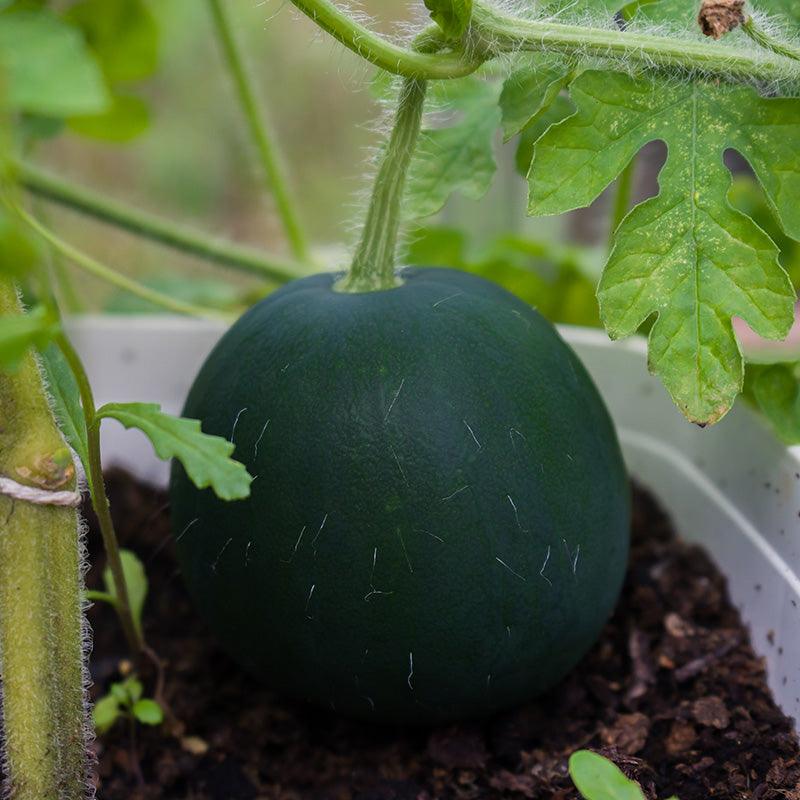
Organic Sugar Baby Watermelon
Sweet Compact Fruit, Ideal for refrigerators




Check Your Zone Compatibility:

Our Guarantee To You
Since 1976, we've served our customers at every stage of growing. Please contact us at any time. We are happy to support and assist you.
Description
Description
Organic Sugar Baby Watermelon is a certified-organic potted start of a compact, open-pollinated heirloom often called an icebox watermelon. The relatively short vines produce round fruit with a dark green rind and crisp red flesh, making the harvest easier to chill and handle than many full-size melons. Its smaller footprint is useful in home gardens, but vines still need open ground and steady summer warmth.
Plant in full sun after frost danger has passed and the soil is reliably warm. The item is tagged for USDA zones 4–10 as a tender annual; pair the growing-zone guide with local frost dates to estimate whether your season provides enough heat. Our soil-temperature guide for vegetable starts explains why cold ground can slow a watermelon transplant. A raised bed or dark surface mulch can help warm short-season sites.
Choose loose, fertile, well-drained soil, set the start at its existing depth, and minimize disturbance to the root ball. Water it in deeply and maintain reasonably even moisture through flowering and early fruit sizing. As harvest approaches, adjust irrigation to rainfall and soil conditions instead of following a fixed schedule. The transplant-care guide offers acclimation and first-week guidance.
Sugar Baby produces separate male and female flowers on one plant. A different watermelon cultivar is not required as a pollinizer, but insects must move pollen between blossoms for full fruit set. More than one plant and nearby flowers can encourage repeated visits. Assess maturity using several cues, including a dried tendril nearest the fruit, a creamy ground spot, a duller rind, and a deeper sound when tapped. Because individual conditions vary, compare multiple signs before cutting fruit from the vine.
Shipping Information
Shipping Information
Cannot ship to the following states: AK, HI, PR, VI, GU
Shipping Weight: 0.5 lb
Features
Features
- Heirloom
- Open-Pollinated
Characteristics
Characteristics
Planting & Care
Planting & Care
Soil & Water: Watermelon prefers light, loamy, fertile, deep, well-draining soil with a pH of 6.0-7.0. Add plenty of organic matter. Water plants amply until setting out, then water more sparingly. Mulch to prevent weed competition.
Planting & Growing: Plant starts in late spring or early summer, once the soil has warmed up to at least 70°F (21°C). Space plants 2 to 3 feet apart in rows spaced 4 to 6 feet apart to allow for adequate air circulation and room for vine growth. Watermelons are large vining plants that can take over an extensive garden space. They can be trellised, but use slings to support the developing fruit.
Harvesting & Storage: Harvest melons when the tendril closest to the stem turns dry and brown and the stem becomes brittle. Eat fresh, freeze flesh in a honey-based syrup, or pickle the rind.
Useful Information
Useful Information
Guarantee
Guarantee
We guarantee the perishable items we sell to be in good, viable condition when we sell them. Perishable items include, but are not limited to, garlic bulbs, flower bulbs, seed potatoes, onion sets & transplants, potted or bare root trees, vegetable crowns, etc. If your perishable item arrives in substandard condition, take photographs and please contact us within 3 days of the purchase date (or delivery date) and we will provide you with a refund of the purchase price (excluding shipping costs), or a replacement. Accordingly, we urge you to open any boxes marked as ""Perishable"" immediately upon receiving them and inspect the shipment thoroughly (do not crack open heads of garlic, we do not accept claims on cracked garlic). Because some perishable items can deteriorate very quickly, we cannot accept any claims beyond the 3-day time frame as it becomes too difficult to determine if these items were delivered in substandard condition, or if they turned into such substandard condition because of having been improperly cared for or stored once delivered.

- Choosing a selection results in a full page refresh.
- Opens in a new window.